
Your Custom Text Here

Why Your Self-Care Routine Is Your Financial Plan

You may feel torn between taking care of yourself and being financially responsible.
But the good news is that those two things are deeply connected. It’s not about choosing between pampering yourself and saving money.
It’s about understanding how the same mindset helps with both.
Self-care routines, mindful choices, and weekend wind-downs help shape good financial habits.
In fact, the same small habits that help you feel emotionally strong can also help you become financially secure.
Let’s take a closer look at how your personal care routine might be the secret tool that helps keep your finances on track.
- What Your Morning Routine Teaches You About Money
- Why Financial Stress Is Making Your Self-Care Expensive
- Daily Habits That Transform Your Mood and Your Money
- Affordable Wellness That Builds Your Emergency Fund
- Creating Your Financial Wellness Action Plan
- Small Changes, Big Results
- Learn More About It / Sources

(1) What Your Morning Routine Teaches You About Money
You might not think your morning routine has anything to do with your bank account, but it does—more than you realize.
Every time you get out of bed instead of hitting snooze, you're practicing delayed gratification.

When you reach for tea instead of spending $6 on a fancy coffee, you’re making a mindful spending choice.
These are wellness wins.
You’re training your brain to pause, reflect, and choose what serves you best in the long run.
Science backs this up
The American Psychological Association reports that people who show self-control in one area of their lives—like health or time management—are more likely to show it in other areas, including good money and financial habits.
So when you choose a few minutes of meditation over scrolling through your phone, you're using the same muscle that helps you say “no” to an unnecessary online shopping spree.
Here’s another way to look at it
Choosing a quiet evening walk instead of emotional shopping is just like choosing to build an emergency fund instead of spending on impulse.
Both choices help your future self more than they serve the moment.
And the power of routine is real.
A recent study found that people with steady daily routines and a financial self-care routine are more likely to stick to their financial goals.

(2) Why Financial Stress Is Making Your Self-Care Expensive
Let’s be honest—money stress hits hard.
You might be doing your best to relax with a warm bath or treat yourself to something nice, but if money worries are keeping you up at night, it’s tough to truly unwind.
According to the American Psychological Association, nearly 72% of Americans feel stressed about money.
That stress doesn’t just mess with your mood—it affects your body, your decisions, and even your financial self-care routine and good financial habits.
Financial stress triggers your body’s survival mode.
You sleep poorly, feel anxious, and start searching for quick ways to feel better. That’s when things like impulse shopping or emotional eating sneak in.
Polling suggests that approximately 70% of people in the US have engaged in emotion-driven spending.

Emotional splurging uses money that could’ve been used to build your emergency fund, which is a powerful form of financial self-care.
Just $500 in a savings account has been shown to lower stress and lead to better sleep, healthier financial habits, and more peace of mind and financial wellness.
Stress-related health problems are costly. Especially when including doctor visits, medication, and lost productivity. An estimated 1 million workers are absent every day due to stress.

FAMILY NETWORK ON DISABILITIES
Prevention is not just better—it’s cheaper.
Now compare that to spending $50 a month on calming, healthy routines and forms of financial self-care, and putting a little into a savings account.
(3) Daily Habits That Transform Your Mood and Your Money
Big financial changes don’t happen overnight—but small daily choices can lead to big results.
Just like working out or drinking more water improves your health, building a few good money habits into your financial self-care routine can totally change your financial life.
Start with a morning money check-in
Instead of jumping straight into social media, take two minutes to glance at your bank balance. It might feel uncomfortable at first—but like stepping on a scale, it gives you the information you need to make better choices.
Before making a purchase, pause and ask yourself: “Is this helping me right now, or helping me in the future?”
That $6 latte might hit the spot now, but what would feel better next week—coffee, or knowing you added to your emergency savings account?
Turning your budgeting and money management time into a personal growth ritual helps, too.
Transform Your Mood and Your Money
Set aside 30 minutes each Sunday to review your spending and plan for the week.
Light a candle, play music, and make it peaceful.

You’re not just crunching numbers—you’re aligning your money with your values and money goals.
Set up automatic transfers to savings account. Even $25 a week adds up to $1,300 a year.
Think of these as small acts of love for your future self—the one who might face an unexpected car repair or job change.
People who track their spending are more likely to hit their financial goals.
Just like fitness trackers help people stay in shape, money tracking keeps you accountable and moving forward.
(4) Affordable Wellness That Builds Your Emergency Fund
You don’t have to spend a lot of money to take great care of yourself.
In fact, some of the best financial habits are the ones that save you money, while still helping you relax, recharge, and feel more in control.
Replace retail therapy with reading. Libraries are free, and reading is proven to reduce stress just as well as shopping, without the financial guilt.
Skip the $150 spa day and create your own at home for under $20.
Do this monthly and you’ve saved around $1,560 a year—money that can go straight into your emergency fund.
Try home workouts using free YouTube videos. A basic set of weights costs less than two months of gym fees. Save the fees and use them for financial goals instead.
Meal planning is another great strategy.
According to US Foods, on average, Americans spend about $166 per person per month dining out. That’s roughly $2,000 per year. Our spending habits do vary depending on our income, where we live, and our individual preferences.
Still, if you can cut your dining out spending in half, that’s potentially an extra $1,000 per year you can put in a savings account.
Self-care really can be wealth care

Taking care of your physical health, emotional well-being, and overall happiness is possible with a few simple, budget-friendly practices.
Find many budget-friendly self-care activities here: 15 Affordable Self-Care Routines that Fit Any Budget.
Explore LOCAL resources
You can also explore community resources to reduce expenses while supporting your financial wellness.
Many local libraries and community centers offer free fitness classes, meditation groups, and money management workshops.
These programs are a great way to take care of your physical health, reduce financial stress, and build a healthier relationship with money.
BUDGET-FRIENDLY OPTIONS
If you enjoy skincare routines, try swapping expensive products for budget-friendly options with good reviews.
Find budget-friendly foot bath recipe ideas here: 25 Homemade Footbath Recipes for Your DIY Pedicare.
This strategy helps you meet your financial needs while maintaining your self-care routine.
Over time, making these mindful spending choices adds up and strengthens your emergency savings.
GET YOUR FREE DOWNLOAD TODAY! Why Wait?
You don’t need to be a financial expert to get your money under control.
You just need a starting point—and this FREE Budget Starter Pack gives you exactly that.
Whether you’re living paycheck to paycheck, trying to save money, or just tired of feeling behind, this is your simple first step toward peace, clarity, and confidence.

(5) Creating Your Financial Wellness Action Plan
You already have good financial habits. Now let’s turn those small actions into a full plan that supports both your well-being and your wallet.
Start with a no-judgment financial wellness check
Look at your full financial picture—bank accounts, debts, credit score. It might feel uncomfortable, but awareness is the first step.
Set financial money goals that align with your values. Whether it’s becoming debt-free or building savings account, link each goal to something meaningful like family, peace of mind and financial wellness, or freedom.
Find an accountability partner
Share your money goals and check in regularly. People who do this are more likely to reach their goals.

CERTIFIED FINANCIAL PLANNER
Consider meeting with a certified financial planner. Like a therapist for your money, they can help you build confidence and avoid mistakes.
Prepare for the unexpected. Life throws curveballs—having a savings account in place is a realistic financial self-care routine.
Keep learning
Podcasts, books, and blogs on finance can help you grow your confidence and skills.
As you shape your financial self-care routine, think of it as an ongoing process.
Your goals may shift with life changes, but your commitment to financial stability remains constant.
Evaluate your personal values every few months to make sure your money goals still match your priorities.
And don’t forget the role of your credit score
Regularly checking your credit report can alert you to fraud and help you make informed financial decisions.
If you have student loans or credit card debt, include these in your review and track your progress with a simple spreadsheet or a budgeting app.
(6) Small Changes, Big Results
You don’t need to overhaul your life to start feeling better—mentally, emotionally, or financially.

Pick one habit to start this week. Make it part of your financial self-care routine.
Check your bank account.
Plan your meals.
Transfer $20 into your savings account.
Focus on the long-term benefits
Skipping a shopping trip today might feel hard—but future you will thank you for the freedom and peace of mind and financial wellness.
Over time, your good financial habits will feel automatic. Like brushing your teeth, managing your money will become second nature.
In American culture, we’re often drawn to fast results.
But in personal finances, small steps over time bring the strongest returns.
Whether it’s reviewing your weekly budget or learning about interest rates and the stock market, consistency is the easiest way to build financial strength.
Keep the right balance between discipline and kindness
Celebrate small wins—like skipping a takeout meal or increasing your savings account by $20.
These moments matter.
They build confidence and keep you moving forward.
The most important things—like peace of mind, emotional support, and overall health—are closely tied to the way you care for your finances.
A financial self-care routine is love in action. It’s not about restriction—it’s about building the life you deserve.
Take Care of Your Money Like You Take Care of Yourself
Taking care of your emotional health and taking care of your money go hand in hand.
Small choices—like making coffee at home or checking your bank account—can help you feel calm and help you build a strong future.
You don’t have to do it all at once. You just have to start.


15 Affordable Self-Care Routines That Fit Any Budget
Taking care of your physical health, emotional well-being, and overall happiness is possible with a few simple, budget-friendly practices.
In this article, we’ll explore 15 self-care routines that fit any budget.

Do you ever feel like self-care is an indulgence you just can’t afford?
Between busy schedules and tight budgets, putting yourself last is easy.
But here’s the good news: self-care doesn’t have to be expensive or time-consuming.
Taking care of your physical health, emotional well-being, and overall happiness is possible with a few simple, budget-friendly practices.
In this article, we’ll explore 15 self-care routines that fit any budget.
From enjoying the fresh outdoors to experiencing a DIY spa day, you’ll discover practical ideas that will support your mental and physical well-being.
- Begin with a 10-Minute Morning Routine
- Spend Time Outdoors for Overall Health
- Pamper Yourself with a Home Spa Day
- Enjoy Quality Time with Friends & Family
- Control Your Finances with a Budget
- Embrace Physical Activity in Small Doses
- Practice Deep Breathing to Manage Stress
- Use Mindful Eating to Nourish Your Body & Mind
- Explore Budget-Friendly Creative Outlets
- Try Essential Oils for Relaxation
- Dedicate Time to Reading for Pleasure
- Volunteer to Help Family & Your Community
- Use Journaling for Emotional Self-Care
- Practive Gratitude for a Positive Attitude
- Explore Affordable Physical Hobbies
- Learn More / Sources
(1) BEGIN WITH A 10-MINUTE MORNING Routine
Your morning routine sets the tone for the rest of your day.
It puts you first. And helps prioritize your well-being before tackling the demands of daily life.
Take 10 minutes in the morning to focus. You’ll feel calm, centered, and prepared for whatever the day brings.
HERE ARE SOME IDEAS TO ENHANCE YOUR MORNING ROUTINE
Try deep breathing exercises.
Write down three things you’re grateful for.
Enjoy a cup of tea while planning your day.
Do some light stretches.
Listen to uplifting music.
Read a motivational quote.

ENJOY YOUR MORNING ROUTINE
If you prefer an active start, consider a short walk or yoga to wake up your body and mind.
Keep this morning routine device-free to minimize distractions.
Focus entirely on your own needs.
Why It Works
Morning routines create stability and help you feel in control.
According to the National Institute of Mental Health, regular routines reduce stress and improve focus, especially during busy schedules.
Even small steps, like drinking a glass of water or jotting down goals, can make a positive impact on your mood and productivity.
(2) SPEND TIME OUTDOORS FOR OVERALL HEALTH
Spending time outside is one of the easiest ways to care for your body and mind without spending money.
Whether it’s enjoying a walk, listening to the sounds of nature, or soaking in the sun, being outdoors helps you reset and recharge.
Fresh air and sunlight can lift your spirits and support your immune system.
Why It Works
Nature has a calming effect that lowers cortisol levels, enhances focus, and improves mood.

PHYSICAL ACTIVITIES LIKE WALKING OR STRETCHING OUTDOORS BOOST YOUR ENERGY LEVELS AND MENTAL CLARITY.
Research shows that spending as little as 20 minutes in green spaces can significantly reduce stress.
How to Try It
Tie your outdoor time to existing habits.
For instance, drink your morning coffee on the porch, take a quick stroll after meals, or have a family picnic at a local park.
Spend quality time exploring nearby hiking trails, journaling under a tree, or simply observing nature.
These moments outdoors are an easy way to support your overall health.
(3) Pamper Yourself with a Home Spa Day
A spa day doesn’t have to involve a big price tag or a fancy setup.
With some creativity, you can create a calming, rejuvenating experience in the comfort of your own home.
Set the mood by dimming the lights, lighting a scented candle, and playing soft music.
Why It Works
Pampering yourself is a form of self-care that nurtures both mind and body.
Activities like soaking in a warm bath, applying homemade face masks, or using essential oils can reduce stress and improve your mood.
Taking time to care for your skin or simply relax helps maintain your mental well-being and restores energy levels.
How to Try It
Use household items to create DIY treatments, like a sugar scrub made from honey and brown sugar or a cooling cucumber mask.
Check out this article from Patterson’s Community, 25 Homemade Foot Bath Recipes for Your DIY Pedicure.

Enhance your spa day with warm towels, a foot soak with Epsom salts, or a gentle scalp massage.
If time is tight, even a quick hand massage with lotion or a 10-minute facial steam can provide a refreshing reset.
(4) ENJOY QUALITY TIME WITH FRIENDS AND FAMILY
Building meaningful relationships is about spending time together and being fully present.
Whether it’s laughing over a shared memory, enjoying a heartfelt conversation, or working on a fun project, these moments help strengthen your emotional connections.
Why It Works
Spending time with loved ones improves emotional health, reduces stress, and fosters feelings of belonging.

Social connection is linked to increased happiness and resilience, which are essential during tough times.
How to Try It
Plan regular catch-up sessions with friends or family members, whether in person or virtually.
Try collaborative activities like cooking a meal together, playing a game, or going for a short walk.
For loved ones who live far away, use social media to stay connected, send handwritten notes, or plan virtual movie nights.
These efforts can make a positive impact on your relationships and mental well-being.
(5) Control Your Finances WITH A BUDGET
Financial health is a crucial aspect of overall health.
Creating a clear budget gives you the confidence to handle financial responsibilities and set realistic goals for the future.
This proactive approach reduces stress and allows for both necessities and personal rewards.
Why It Works
Budgeting helps you track where your money goes and align spending with your priorities.

Studies show that reducing financial stress contributes to better physical and emotional health.
Setting aside funds for personal growth or a small treat can also improve your mood and motivation.
How to Try It
Start small by listing your income and fixed expenses.
Allocate specific amounts for savings, necessities, and “fun money” for self-care activities.
Revisit your budget weekly to adjust as needed. Use free tools or apps to track your progress and celebrate small financial goals, like saving for a spa day or reducing your debt.
(6) Embrace Physical Activity in Small Doses
Exercise doesn’t have to be lengthy or intense to make a difference.
Incorporating short bursts of movement throughout your day can significantly enhance your physical health, boost your energy levels, and improve your emotional well-being.
Even a quick 5-minute stretch or a brisk 10-minute walk can leave you feeling refreshed and ready to take on your tasks.
Why It Works
Physical activity releases endorphins, the body’s natural "feel-good" chemicals, which improve mood, reduce stress and increase focus.
It also strengthens muscles, supports cardiovascular health, and sharpens mental clarity, making it easier to manage daily life.
Consistent, small doses of activity build momentum for long-term benefits and sustainable habits.
How to Try It
Look for creative ways to include movement in your daily routine.
Dance while doing chores, take the stairs instead of the elevator, or walk around while talking on the phone.

Use free online platforms to find quick workout routines like yoga or Pilates that can be done in a small space.
The key is to find physical activities you enjoy so they become a fun and natural part of your self-care plan.
(7) Practice Deep Breathing TO MANAGE STRESS
Deep breathing is a fast, effective way to calm your mind and body.
This simple technique is perfect for managing stress, whether you’re at work, home, or in a public setting.
With no special equipment needed, it’s a practical and portable tool for relaxation.
Why It Works
Deep breathing signals your body to relax.
This slows your heart rate, lowers blood pressure, and quiets your mind, making it ideal for tough times or moments of overwhelm.
Regular practice not only helps you stay grounded but also supports long-term mental well-being.
How to Try It
Practice the 4-7-8 method: Inhale deeply through your nose for 4 seconds, hold your breath for 7 seconds, and exhale slowly through your mouth for 8 seconds.
Try this in the morning to set a calm tone for your day, or use it during stressful moments to regain focus.
For an added mood boost, pair deep breathing with visualization techniques or soothing essential oils like lavender.
(8) USE Mindful Eating to Nourish Your Body and Mind
Mindful eating transforms meals into moments of self-care.
By focusing on your food and the experience of eating, you can improve your relationship with meals and make healthier choices that support your overall health.
Why It Works
Mindful eating helps you tune into your body’s hunger and fullness cues. It helps reduce overeating and stress-related snacking.

Mindful Eating improves digestion and encourages gratitude for the food you eat. You’ll foster a deeper connection to how meals affect your mood and energy levels.
How to Try It
Start with a deep breath before eating to focus your attention on your food.
NOTICE | OBSERVE |FEEL | TASTE | ENJOY
Notice your food. Observe it; take a good look at it. Feel and taste it. Enjoy it.
Eliminate distractions like TV or social media during meals. Chew slowly, savoring the flavors and textures of each bite.
Include fresh fruits, lean proteins, and whole grains for balanced nutrition.
Reflect on how your body feels before and after meals. This will reinforce positive habits and help you better care for your body’s needs.
(9) Explore Budget-Friendly Creative Outlets
Creativity offers a fun and engaging way to relieve stress and boost your mood.
From painting and crafting to journaling and photography, creative hobbies allow you to express yourself while nurturing your mental well-being.
Why It Works
Creative outlets stimulate the brain, reduce anxiety, and encourage personal growth.
Engaging in creative self-care practices gives you a sense of accomplishment. This can increase your confidence and emotional resilience.
How to Try It
Start small with what you have.
Use recycled materials to create art, write in a journal, or take photos on your phone.
Check online platforms for free tutorials, or visit your local library for craft books and ideas.
Involve a family member or trusted friend in a creative project to turn your hobby into quality time.
These simple, budget-friendly practices are a great way to explore your unique needs and talents.
(10) TRY Essential Oils for Relaxation
Aromatherapy is an easy way to create a calming environment at home.
Essential oils like lavender, eucalyptus, and peppermint can help reduce stress, improve sleep, and support your mental well-being.


These oils are versatile and can be used in different ways to suit your preferences.
Why It Works
Essential oils stimulate the brain’s limbic system, which controls emotions and memory.
Scents like lavender are known for their calming effects, while citrus oils like orange can provide an uplifting mood boost.
How to Try It
Add a few drops of essential oil to a diffuser or mix them with a carrier oil for a relaxing massage.
If you’re on a tight budget, sprinkle a drop on a cotton ball and place it near your workspace or pillow.
Pair essential oils with other self-care activities, such as deep breathing or a spa day, to enhance relaxation.
(11) Dedicate Time to Reading for Pleasure
Reading is a timeless self-care activity that nourishes your mind and provides a healthy escape from daily stress.
Whether it’s a novel, a self-help book, or short articles, dedicating time to reading can bring a sense of calm and focus.

READING FOR PLEASURE
Why It Works
Studies show that reading for just 6 minutes can reduce stress levels by up to 68%.
It stimulates the mind, improves concentration, and expands knowledge, all of which contribute to emotional self-care and personal growth.
How to Try It
Visit your local library for free books or explore budget-friendly e-book options online.
Create a cozy reading nook at home with a soft blanket and good lighting.
If your schedule is packed, listen to audiobooks during your commute or lunch break to squeeze in time for this relaxing activity.
(12) Volunteer TO HELP FAMILY OR YOUR COMMUNITY
Helping others is a meaningful form of self-care that fosters connection and a sense of purpose.
Whether it’s assisting a family member or volunteering in your community, acts of kindness can have a positive impact on your emotional health.
Why It Works
Research shows that helping others releases oxytocin, the "feel-good" hormone, which reduces stress and enhances happiness.
Volunteering can strengthen relationships, promote personal growth, and remind you of your ability to make a difference.
How to Try It
Start small by offering help where it’s most needed, such as running errands or assisting with household chores for a family member.

HELPING WITH HOUSEHOLD CHORES
Look for local volunteer opportunities, like organizing community events or supporting a food bank.
Even dedicating an hour a week to helping others can create lasting benefits for both you and your community.
(13) USE Journaling for Emotional Self-Care
Journaling is a practical, low-cost way to process emotions, reflect on your goals, and track personal growth.
It offers a private space to explore your thoughts, clear your mind, and build emotional resilience over time.
Why It Works
Writing down your feelings helps reduce mental clutter and provides clarity.
Studies suggest that journaling regularly can improve mood, enhance self-awareness, and reduce stress.
It’s a powerful form of emotional self-care that promotes long-term mental well-being.
How to Try It
Commit to writing for just five minutes a day. Use prompts like:
“What’s one positive thing that happened today?” or
“What’s a challenge I overcame this week?”
Focus on expressing yourself freely. There’s no need for perfect grammar.
Consider themed journals, such as gratitude or goal-setting, to keep your practice engaging and aligned with your personal needs.
Over time, your journal can become a valuable tool for tracking progress and staying mindful of your emotional health.
(14) Practice Gratitude FOR A POSITIVE OUTLOOK
Gratitude is one of the most accessible and effective self-care practices.
By shifting your focus to the positive aspects of your life, no matter how small, gratitude helps you maintain a positive outlook and develop emotional strength.
Why It Works
Practicing gratitude has been shown to lower stress levels, improve sleep, and strengthen relationships.
It trains your mind to focus on the good, reducing negative emotions and fostering a more balanced perspective.
Over time, this practice can create a profound positive impact on your mental and emotional well-being.
How to Try It
Start your day by writing down three things you’re grateful for, or reflect on these before bedtime.

These could be simple pleasures, such as a sunny day, a supportive family member, or a kind word from a trusted friend.
Consider creating a gratitude jar where you note one positive moment each day and revisit it during tough times.
Sharing gratitude with others, like writing thank-you notes or verbally acknowledging someone’s support, can deepen connections and spread positivity.
(15) Explore Affordable Physical Hobbies
Physical hobbies like gardening, dancing, or hiking are wonderful ways to care for your physical health while supporting emotional and mental well-being.
These activities combine movement with enjoyment, making them easier to incorporate into your daily routine. Check out — What Is Lifetime Learning? for more hobby and activity ideas.
Why It Works
Physical hobbies reduce stress, boost mood, and encourage regular exercise. They also provide opportunities for personal growth and a sense of accomplishment, which are essential for maintaining a positive outlook on life.
Participating in hobbies with others can also improve social connections, which are vital for long-term emotional health.
How to Try It
Start with simple, budget-friendly hobbies.
Growing herbs in small pots, following free online exercise tutorials, or visiting a local park for a short hike are low-cost physical hobbies you can enjoy.


Look for community events or free workshops where you can try new hobbies without financial commitment.
To keep activities fresh and exciting, rotate them with the seasons—gardening in spring, swimming in summer, or crafting during winter.
These hobbies are enjoyable and a great way to maintain energy levels and stay engaged.
CONCLUSION
Self-care doesn’t have to be complicated or expensive.
By including these 15 affordable self-care routines in your daily life, you can improve your physical health, emotional well-being, and overall happiness without stretching your budget.
Small, simple actions like spending time outdoors, practicing gratitude, or taking a few deep breaths can create a positive impact over time.
Start with just one self-care activity that resonates with your unique needs, and build from there.
You’ll soon find that taking care of yourself is one of the best ways to stay energized, balanced, and ready to face life’s challenges.
LEARN MORE / SOURCES
“Practicing Gratitude to Boost Mental Well-Being.” American Psychiatric Association, 8 July 2020.
Graff-Radford, Michelle. “Stress Relief Is Only a Few Breaths Away.” Mayo Clinic, 23 Jan. 2018.
Zucker, Jesse. “Reading for Pleasure Boosts Brain and Mental Health.” The Well News, 24 July 2022.
“Exercise and Stress: Get Moving to Manage Stress - Mayo Clinic.” Mayo Clinic.

Affordable Self-Care for Budget-Friendly Wellness
Affordable self-care practices involve finding ways to nurture your physical, mental, and emotional health without spending a lot of money.

Affordable self-care practices involve finding ways to nurture your physical, mental, and emotional health without spending a lot of money.
The idea is to use simple, accessible activities and resources to support your overall well-being.
This article will show you how low-cost strategies can help you maintain a healthy lifestyle, reduce stress, and improve your quality of life without straining your finances.
WHAT IS Self-Care?
Self-care is all about taking care of yourself in a way that helps you feel good and stay healthy, both body and mind. It's like being your own best friend and looking out for your well-being.
This can mean different things to different people. For some, it might be taking a long walk, reading a favorite book, or making sure to get enough sleep each night.

Self-care is not the same as indulgence. Indulgence is doing something just because it feels good at the moment without really helping you in the long run. For instance, treating yourself to an expensive shopping spree or eating lots of sweets is more like indulgence than self-care.
Self-care is important because it keeps you feeling balanced.
Regular self-care can make you less stressed, happier, more energetic, and ready to handle life’s ups and downs.
Caring for yourself isn’t selfish—it’s smart and healthy. Think of it as a recharge for your body and mind.
It’s essential to take time each day to care for yourself.
The Cost of Self-Care
When people hear "self-care," they often think of spending a day at a fancy spa, exotic vacations, or buying expensive gadgets and clothes.
Some activities sound fun and relaxing but can cost a lot of money.
This leads people to believe that taking good care of themselves is something only rich people can afford. But that's not true!
Self-care doesn't have to empty your wallet. In fact, some of the best ways to look after yourself are totally budget-friendly.

For example, taking a peaceful walk in the park, having a quiet night reading your favorite book, or even just taking a few minutes to breathe deeply and relax can all be powerful ways to care for yourself.
It's not about how much money you spend.
The key to budget-friendly self-care is creativity and focusing on what makes you feel refreshed and happy.
By choosing simple, affordable ways to take care of yourself, you can enjoy all the benefits of self-care without spending a lot of money.
More importantly, self-care can become a part of your daily life, not a luxury you can only afford occasionally.
Affordable Self-Care Strategies
Mental and Emotional Self-Care
Mental and emotional self-care are vital components of a healthy lifestyle that can significantly impact your overall health and quality of life. Fortunately, there are many affordable ways to nurture your mental and emotional well-being.
Mindfulness and Meditation
Practicing mindfulness and meditation is a great way to reduce stress and improve mental health.
Many free apps and online resources offer guided meditations for beginners and advanced practitioners alike.
Incorporating meditation into your daily routine can be as simple as finding a quiet space, using a yoga mat, and following a guided session on your phone or computer.
This practice can help enhance your mental well-being over the long term, making it a healthy habit worth adopting.
Journaling
Journaling is another effective and low-cost method for boosting your emotional health.
All you need is a notebook and a pen.

Reflective writing allows you to express your thoughts and feelings and is a powerful stress management tool.
It can help you identify patterns in your thoughts and behaviors, leading to greater self-awareness and emotional regulation.
Keeping a journal can be a fantastic way to track your wellness journey, set health goals, and reflect on your progress over time.
Social Connections
Maintaining social connections is crucial for your mental and emotional health.
Spending time with friends and family doesn't have to involve spending much money on outings or gifts.

Simple activities like a social gathering in a nearby park, a home movie night, or a potluck dinner with friends or family can strengthen bonds without impacting your emergency fund.
In today's digital age, staying connected through video calls or social media is another healthy option for those living far from loved ones or dealing with social isolation.
Cultivating relationships and building a supportive community are essential steps towards a healthier lifestyle and achieving your wellness goals.
Environmental Self-Care
Environmental self-care focuses on creating surroundings that support your mental and your overall health.
Organizing, decluttering, and spending time in nature can be affordable ways to enhance your wellness journey.
Organizing and Decluttering
Creating a peaceful living space is a critical component of environmental self-care.
Organizing and decluttering your home can profoundly impact your mental well-being.
A tidy, well-organized environment can reduce stress, improve mental health, and boost energy levels.
Start by sorting your belongings and deciding what to keep, donate, or throw away.
This process doesn't cost much money but requires some time and effort.
Incorporating this practice into your daily routine can transform your home into a sanctuary that reflects and supports healthy habits.
Nature
Spending time outdoors is another fantastic way to practice environmental self-care.
Nature offers a unique and powerful form of relaxation and rejuvenation that's completely free.
Whether it's a walk in a park, a hike in the woods, or simply sitting in a garden, being outside can significantly improve your quality of life.

Fresh air, natural light, and the beauty of the outdoors can enhance your mood, reduce feelings of social isolation, and increase your sense of connection to the world.
Physical activity in nature, such as walking or biking, also promotes good health by improving physical fitness and reducing the risk of heart disease.
Incorporating these environmental self-care practices into your life is an affordable way to enhance your wellness goals and contribute to a healthier lifestyle.
By taking care of your living space and making time to connect with nature, you're taking the necessary steps toward achieving a balanced and fulfilling life.
INTEGRATING Self-Care into Your Routine
Integrating self-care into your daily routine is crucial to a healthier lifestyle. It's about finding affordable ways to manage your mental health, physical activity, and overall health without stressing about time or money.
Here are some practical tips to help you incorporate self-care practices.
Practical Tips for Incorporating Self-Care
Start Small: Choose one or two self-care activities to start with. One idea is to add whole grains to your grocery list for more nutritious meals.


Use a Planner: Schedule your self-care activities as you would any necessary appointment.
Whether it’s a 10-minute meditation session using free apps or a weekly meal-prep time to ensure you have healthy meals ready, putting it in your planner makes it more likely to happen.
Budget-Friendly Choices: Self-care doesn’t have to be expensive. Use online resources, community centers, and local parks.
Meal planning and smart grocery store shopping can help you save on food costs while enjoying healthy eating patterns.
Creating a Self-Care Plan
Assess Your Needs: Identify areas in your life that need more attention—whether it’s mental well-being, emotional health, or physical fitness. Assessing your needs will help you prioritize your self-care activities.
Set Realistic Goals: Your self-care plan should align with your lifestyle and financial goals.
If you’re on a tight budget, focus on free activities and affordable healthy foods, like eating meatless meals or buying fresh produce in season.

Be Flexible: Life happens, and your self-care plan needs to accommodate unexpected changes. Flexibility ensures you can maintain your self-care practices without feeling stressed or guilty.
The Importance of Consistency and Self-Compassion
Consistency: Making self-care a regular part of your daily routine is key to reaping its benefits. Consistency helps turn self-care activities into healthy habits, contributing to long-term wellness goals.
Self-Compassion: Not every day will be perfect, and that’s okay.
Practicing self-compassion means not being hard on yourself if you miss a day of exercise or indulge in your favorite grocery store items.
Self-care is about improving your quality of life, not adding stress.
By incorporating these strategies into your life, you’re taking meaningful steps towards a healthier lifestyle.
Overcoming Barriers to Self-Care
Overcoming barriers to self-care is crucial for maintaining a healthy lifestyle and achieving wellness goals.
Common challenges, such as time constraints and feelings of selfishness, can make it difficult to prioritize self-care, but with the right strategies, these obstacles can be managed effectively.
Addressing Common Challenges
Time Constraints
One of the biggest challenges to practicing self-care is finding the time, especially with a busy lifestyle. It's easy to feel like there's not enough free time to fit in activities like physical activity or meal planning.
Feeling Selfish
Some people struggle with self-care because they feel spending time and money on themselves is selfish. This can lead to neglecting one's own needs in favor of others, impacting mental health and overall health.
Strategies for Overcoming These Barriers
Integrate Self-Care into Daily Activities
Look for ways to incorporate self-care into your existing routine. For example, practicing mindfulness during your commute by listening to audiobooks or podcasts.

This can help improve your self-awareness and effectively ensure you're looking after your mental well-being without requiring much extra time.
Small steps can lead to big changes in your health goals over the long term.
Prioritize and Plan
Treat self-care as a non-negotiable part of your schedule. Schedule time for self-care as you would plan for a meeting or family commitment.
Using a planner can help you visualize and commit to these activities.
Seek Support
Share your self-care goals with friends or family.
They can offer encouragement, join you in activities, or help hold you accountable, making it easier to overcome feelings of selfishness and prioritize your wellness journey.
Encouragement to Prioritize Self-Care
Taking care of yourself makes you better equipped to face life's challenges and care for others.
Healthy habits like eating nutritious meals, staying active, and managing stress contribute to a beneficial lifestyle and can improve your mental and emotional health.
Even with a busy lifestyle, finding affordable ways to practice self-care is important.
Whether it's preparing home-cooked meals with fresh produce from the grocery store or using online resources for mental health, these practices are vital for your well-being.
Encourage yourself to view self-care as a necessary part of your life.
By overcoming barriers and making self-care a priority, you're taking important steps toward achieving your health goals and enhancing your wellness journey.
LEARN MORE / SOURCES

Prevention: Proactive Tips to Health and Fitness
Your body requires a proactive approach to health and fitness in order to thrive. A proactive strategy is all about prevention.

Your body requires a proactive approach to health and fitness in order to thrive. A proactive strategy is all about prevention.
In this article, you will learn how making thoughtful, daily choices can nurture your health and vitality, reduce the likelihood of disease, and enhance your overall quality of life.
As always, remember to consult your medical provider regarding individual healthcare needs.
(1) Understanding Heath Prevention
Preventive health care is about taking care of your body and mind to avoid illnesses and injuries.
There are three main types of prevention:
Primary Prevention
Primary prevention is like setting up a safety net to stop health problems before they even start. It's all about taking steps now to avoid getting sick or hurt later.
One of the easiest examples of primary prevention is wearing a helmet when you ride a bike or skateboard.
The helmet is your shield against head injuries if you fall.
It's a simple action but can make a huge difference by preventing serious injuries.
Getting vaccinated is another powerful form of primary prevention.
Shots like the flu vaccine help you to fight off viruses so you don't get sick.

PRIMARY PREVENTION — AVOIDING PROBLEMS
Eating healthy foods, staying active, and not smoking are also part of primary prevention.
By choosing fruits and veggies over junk food, moving more, and staying away from cigarettes, you're giving your body the tools it needs to fight off diseases before they happen.
Think of primary prevention as the first line of defense in keeping you healthy. It's about making smart choices today to avoid health problems tomorrow.
Secondary Prevention
Secondary prevention is all about finding clues (or signs of health issues) early on so problems can be stopped before they get bigger.
Imagine finding a map that shows you where all the hidden traps are. Knowing where the traps are, you can avoid or disarm them before they cause damage.
That's what secondary prevention does for your health.
An excellent example of secondary prevention is going to the doctor for regular check-ups, even when you feel fine.
Your healthcare provider might do blood tests, check your blood pressure, or give you other exams to look for signs of diabetes or high blood pressure early on.
Catching these signs early means you can start treatments or make lifestyle changes, like eating healthier or exercising more, to improve your health or prevent the problem from getting worse.

SECONDARY PREVENTION — STOP SMALL PROBLEMS BEFORE THEY BECOME MORE SERIOUS
An example of secondary prevention is using smoke detectors in your house.
They alert you to smoke before a fire gets out of control, just like health screenings can alert you to problems before they become serious.
Secondary prevention is your way of being a health detective, finding and fixing problems early and keeping minor issues from turning into big ones.
Tertiary Prevention
Tertiary prevention is like the repair and recovery phase after something has gone wrong.
After someone gets sick or injured, tertiary prevention kicks in to help them heal and recover and prevent the problem from worsening.
For example, if someone injures their arm, tertiary prevention includes the physical therapy they do to help with healing.

TERTIARY PREVENTION — MANAGING PROBLEMS, PREVENTING COMPLICATIONS
The exercises and treatments help strengthen the arm, make sure it heals correctly, and prevent future injuries.
It's all about helping people live their best lives even after they've faced a health problem.
Tertiary prevention also includes managing chronic diseases, like diabetes, to prevent complications. This might involve taking medication correctly, following a special diet, and regular check-ups with the doctor.
In short, tertiary prevention is about healing, recovery, and making sure you're ready to face the world again with as much strength and health as possible.
(2) Nutrition
Nutrition is essential in keeping you healthy and preventing diseases before they can start.
Eating healthy foods gives your body the nutrients to fight sickness and keep you strong and energetic.
Eating lots of fruits and vegetables, whole grains, lean proteins, and drinking plenty of water is like giving your body superpowers to fight against diseases.

These foods are packed with vitamins, minerals, and other nutrients that your body needs to stay in tip-top shape.
For example, vitamin C in oranges can help boost your immune system.
But it's not just about adding good stuff to your diet. It's also about avoiding too much junk food, like soda, chips, and candy. These foods can make our bodies feel sluggish and can lead to health problems like obesity, heart disease, and diabetes over time.
So, by choosing healthy foods and staying hydrated, you're taking a big step in preventing health problems.
Eating right is a big part of staying healthy.
A balanced diet filled with fruits, vegetables, whole grains, and lean proteins can fuel your body, fight off illnesses, and keep you feeling great.
Here are some simple tips for eating healthier:
Choose water over sugary drinks.
Pick whole fruits instead of fruit juices.
Go for whole-grain bread and pasta instead of white.
Making these small changes can have a big impact on your health.
(3) Exercise and Physical Activity
Exercise and physical activity are secret weapons for keeping your body strong and healthy.
Your body needs exercise to fight off disease and stay in top shape.
When you move and get your heart pumping, you are not just building muscles or being able to run fast; you are creating a shield that protects you from getting sick.
Regular exercise can do amazing things for your body.
It can help keep your heart healthy and help you maintain a healthy weight.
Being overweight can lead to many health problems. Plus, moving around and staying active can boost your mood and help you feel happier. It's like a happiness booster!
Simple things like walking your dog, dancing in your room, or playing sports with friends count as exercise.
The key is to find activities you enjoy so you'll keep doing them. Aim for at least 30 minutes of activity a day.
Remember, the best exercise is the one you enjoy and will keep doing.
(4) Mental Health and Wellness
Mental health is just as important as physical health.
Keeping your mind healthy helps you deal with stress, make good choices, and enjoy life even when things get tough.
Just like needing exercise to keep your body fit, you must do things to keep your mind in good shape.
Talking about your feelings, spending time with friends and family, and doing things you enjoy can make a big difference in how you feel.


Everyone deals with stress, but it doesn't have to take over.
Simple things like deep breathing, listening to music, or going for a walk can help calm your mind.
Sometimes, you might need extra help, and that's okay. Talking to a counselor or therapist can be like talking to a coach for your mind, giving you strategies to deal with tough times.
Remember, taking care of your mental health is a big part of being healthy overall. It's about ensuring you feel good inside, not just looking good on the outside.
(5) Health Screenings and Check-ups
Preventive health screenings and check-ups are like regular check-ins for your body.
These check-ups with doctors help catch any health problems early before they become bigger issues.
When you go for these check-ups, your doctor might perform different tests or examinations to ensure everything works properly.
For example, your primary healthcare providers might check your blood pressure to ensure your heart is pumping blood properly, or your eye doctor may give you a vision test to determine whether you need glasses.


Even if you feel fine, health screenings are essential. Keeping up with these appointments is a vital part of staying healthy.
(6) Building a Preventive Lifestyle
Building a preventive lifestyle means creating daily habits that help you stay strong, healthy, and ready to face life's challenges.
First, eating healthy is essential. Fruits, vegetables, whole grains, and lean proteins are the strong building blocks that keep your body running well.
Drinking plenty of water is also key, keeping everything inside you moving smoothly.
Being active every day doesn't mean you have to lift heavy weights or run a marathon. Simple things like walking your dog, dancing in your room, or playing outside with friends can make a big difference.
It's about moving more and sitting less.
Getting enough sleep gives your body and mind time to rest and recharge for the next day. Aim for enough sleep to keep your defenses strong.
The amount of sleep needed each night varies by age.
The National Sleep Foundation provides general guidelines for different age groups.
Individual needs may vary due to lifestyle, health conditions, and personal preferences.
Listening to your body and adjusting your sleep schedule is essential.
Be sure to get enough restorative sleep so you feel well-rested during the day.

National Sleep Foundation’s Updated Sleep Duration Recommendations: Final Report - PubMed
Lastly, taking care of your mental health by talking about your feelings, managing stress, and doing things you enjoy shows you're in charge and feeling good.
Adopting a preventive lifestyle doesn't have to be complicated.
Start with small steps.
Add vegetables to your meals.
Take the stairs instead of the elevator.
Go to bed a little earlier to get enough sleep.
Every little bit helps, and these small changes can make a big difference in your health.
Building these habits creates a preventive lifestyle that keeps you healthy and ready for anything.
Share your journey and tips with friends and family. You might inspire them to join you in living a healthier life.
7) LEARN MORE / SOURCES
8) FREE dOWNLOAD — PRINTABLES
FREE PDF FILE
IMMEDIATE DOWNLOAD

25 Homemade Foot Bath Recipes for Your DIY Pedicure
DIY foot bath recipes offer a convenient, cost-effective, and customizable way to care for your feet, promoting both physical and mental well-being. They're a perfect addition to any self-care routine, providing a spa-like experience without leaving home.

DIY foot bath recipes offer a convenient, cost-effective, and customizable way to care for your feet, promoting physical and mental well-being. They're a perfect addition to any self-care routine, providing a spa-like experience without leaving home.
Making homemade foot bath recipes can be a satisfying way to pamper yourself with a Do-It-Yourself pedicure.
DIY pedicures are a perfect self-care activity that you can do anytime you need a little relaxation or want to prepare your feet to look their best.
These recipes use ingredients you might already have at home or can easily find at your local store.
(1) Simple Epsom Salt Soak

Simple Epsom Salt Soak
1/2 cup Epsom salt
Warm water
A few drops of lavender essential oil (optional)

LAVENDER ESSENTIAL OIL
Epsom salt is rich in magnesium and helps ease muscle aches and reduce swelling. Adding a few drops of lavender essential oil is optional, but its soothing scent helps relax your mind.
This foot bath is a double-duty stress buster for your feet and your senses.
Dissolve 1/2 cup of Epsom salt in warm water, add lavender oil if you like, and let the magic happen.
Your feet will feel incredibly soft, deeply relaxed, and highly rejuvenated.
Watch this before using epsom salt — AVOID THESE 5 mistakes
(2) Baking Soda and Vinegar Soak

Baking Soda and Vinegar Soak
1/4 cup baking soda
1/4 cup apple cider vinegar
Warm water
Once you've added both the baking soda and apple cider vinegar to the warm water, stir the mixture gently to ensure it's well combined.
Soak your feet in this healing bath for about 15-20 minutes.
As you relax, the combination of ingredients will work together to neutralize foot odor, soothe sore muscles, and soften rough skin.
(3) Lemon and Mint Foot Soak

Lemon and Mint Foot Soak
Slices of 1 lemon
A handful of fresh mint leaves
Warm water
This foot soak is rich in vitamin C and citric acid, a natural skin brightener that helps even out your skin tone. It also cleanses your feet, eliminating odor-causing bacteria.
Mint contains menthol, which provides a cooling and soothing effect that can relieve tired, achy feet.
Add lemon slices and fresh mint leaves to warm water, soak your feet for about 15-20 minutes.
Your feet will feel rejuvenated, with a noticeable softness and a natural, healthy glow.
(4) Green Tea FOOT Bath

Green Tea Foot Bath
5 green tea bags
Warm water
Green tea is loaded with antioxidants, which fight skin irritation and redness.
Ensure the water is comfortably warm, steep the tea bags until the water turns a lovely green shade, and soak for 15-20 minutes for the ultimate foot pampering session.
Green tea's natural properties help soothe aches and reduce inflammation, rejuvenating your feet.
(5) Chamomile Tea Soak

Chamomile Tea Soak
5 chamomile tea bags
Warm water
Chamomile is famous for its calming effects and gentle healing properties.
Fill a basin with warm water, steep the chamomile tea bags until the water turns a light golden color, and soak your feet for 15-20 minutes.
The results: Your feet will feel satiny and smooth.
(6) Lavender and Sea Salt Soak

Lavender and Sea Salt Soak
1/2 cup sea salt
A few drops of lavender essential oil
Warm water
Lavender's soothing scent calms your mind, while sea salt relaxes muscles and reduces soreness.
Just dissolve the sea salt in a basin of warm water, add the lavender oil for that calming aroma, and soak your feet for about 15-20 minutes.
This foot bath helps to gently exfoliate, leaving your feet feeling smooth and rejuvenated.
(7) Peppermint and Eucalyptus Soak

Peppermint and Eucalyptus Soak
A few drops of peppermint essential oil
A few drops of eucalyptus essential oil
Warm water
The peppermint essential oil gives a cooling sensation. The natural aroma of eucalyptus essential oil helps clear your mind, makes breathing easier, and leaves your feet relaxed.
Just fill a basin with warm (not hot) water, add a few drops of peppermint and eucalyptus essential oils, and soak your feet for 15-20 minutes.
Together, these essential oils offer a therapeutic experience, relieving stress and fatigue in your feet and making them feel thoroughly pampered and rejuvenated.
(8) Honey and Milk Foot Bath

Honey and Milk Foot Bath
1/4 cup honey
1/2 cup milk
Warm water
Honey's natural antibacterial properties help cleanse your skin. Its moisturizing benefits leave your feet feeling super soft and smooth.
The milk adds a dose of lactic acid, which is a gentle exfoliator, helping to slough off dead skin cells and reveal fresh, glowing skin underneath.
Mix the honey and milk in warm water, soak for 15-20 minutes, and prepare to be amazed by how silky your feet feel.
Your feet will soak up all that goodness, reducing dryness and improving texture. After soaking your feet in this creamy concoction, you'll step out with feet that feel nourished, rejuvenated, and incredibly soft to the touch.
(9) Oatmeal Soothing Soak

Oatmeal Soothing Soak
1/2 cup ground oatmeal
Warm water
Oatmeal has natural anti-inflammatory and moisturizing properties. It soothes irritation and calms dry, itchy skin.
Mix 1/2 cup of ground oatmeal into warm water, let your feet soak for about 15-20 minutes, and enjoy the comforting, nourishing effects.
Your feet will feel soothed and deeply hydrated.
(10) Coffee Foot Bath

Coffee Foot Bath
1/2 cup ground coffee
Warm water
This bath can give your feet a much-needed wake-up call thanks to coffee's natural exfoliating properties.
Stir 1/2 cup of ground coffee into warm water, soak your feet for about 15-20 minutes, and enjoy the stimulating, smoothing benefits.
Caffeine can make your feet feel more toned and smooth. The gentle scrubbing action of coffee grounds helps slough off dead skin cells, revealing your smooth skin underneath.
(11) Coconut and Vanilla Soak

Coconut and Vanilla Soak
1/4 cup coconut milk
A few drops of vanilla extract
Warm water
Coconut milk is a natural moisturizer that combats dryness and promotes healthy skin. Adding a few drops of vanilla extract gives this foot soak a delightful fragrance and has calming properties that can help reduce stress.
Mix 1/4 cup of coconut milk and a few drops of vanilla extract into warm water and let your feet soak for 15-20 minutes.
This coconut and vanilla foot bath will leave your feet feeling silky and smooth.
(12) Rose Petal and Milk Bath

Rose Petal and Milk Bath
1/2 cup dried rose petals
1/2 cup milk
Warm water
Dried rose petals make your foot bath look and smell luxurious and offer soothing properties that calm your skin. And thanks to its lactic acid, milk gently exfoliates and moisturizes your skin.
Mix the dried rose petals and milk with warm water, and let your feet soak for about 15-20 minutes.
You'll notice a remarkable difference after soaking your feet in this floral paradise. Your feet will feel silky, smooth, and soft.
(13) Ginger and Epsom Salt Soak

Ginger and Epsom Salt Soak
1 tablespoon ground ginger
1/2 cup Epsom salt
Warm water
Ground ginger adds a spicy kick, warming your feet and boosting circulation, which helps to relieve muscle pain and reduce swelling.
Epsom salt works wonders by pulling out toxins from your body, easing stress, and reducing inflammation.
Stir 1 tablespoon of ground ginger and 1/2 cup of Epsom salt into warm water and soak your feet for 15-20 minutes.
Your feet will enjoy the comforting, healing effects of this ginger and Epsom salt foot bath.
(14) Citrus Burst Foot Soak

Citrus Burst Foot Soak
Slices of orange, lemon, and lime
Warm water
Citrus fruits are packed with Vitamin C, which helps brighten your skin and fight off bacteria. And the zesty aroma of the citrus blend will uplift your spirits and energize your senses.
Add the fruit slices to warm water and let your feet soak for about 15-20 minutes.
After soaking your feet in this tangy concoction, your feet will feel incredibly clean, soft, and revitalized.
(15) Tea Tree Oil Antifungal Soak

Tea Tree Oil Antifungal Soak
A few drops of tea tree oil
Warm water
Tea tree oil is a natural fighter against fungal infections, making it perfect for keeping your feet healthy and clean.
Add a few drops of tea tree oil to warm water, soak your feet for about 15-20 minutes, and enjoy the feeling of cleaner, fresher feet.
Not only does this foot bath fight off unwanted fungi, but tea tree oil also leaves your feet feeling incredibly recharged and deodorized, thanks to its powerful, crisp scent.
(16) Cinnamon and Honey Soak

Cinnamon and Honey Soak
1 tablespoon ground cinnamon
1/4 cup honey
Warm water
Cinnamon warms and stimulates your circulation. Honey has antibacterial and moisturizing powers and helps heal minor skin irritations.
Stir 1 tablespoon of ground cinnamon and 1/4 cup of honey into warm water, and let your feet soak up the goodness for about 15-20 minutes.
Your feet will feel restored, softened, soothed, and have a wonderful scent.
(17) Apple Cider Vinegar and Salt Soak

Apple Cider Vinegar and Salt Soak
1/2 cup apple cider vinegar
1/2 cup Epsom salt
Warm water
Apple cider vinegar works wonders by balancing your skin's pH levels, fighting off bacteria, and tackling foot odor. Epsom salt helps remove toxins, ease muscle aches, reduce swelling, and softens rough skin.
Mix 1/2 cup of apple cider vinegar and 1/2 cup of Epsom salt into warm water and soak your feet for about 15-20 minutes.
This powerful combo cleanses your feet, leaving them exceptionally soft.
(18) Turmeric and Lemon Soak

Turmeric and Lemon Soak
1 tablespoon turmeric powder
Juice of 1 lemon
Warm water
Turmeric has powerful anti-inflammatory and antibacterial properties. Lemon juice cleanses and provides a burst of vitamin C, which helps strengthen your skin's barrier
Mix 1 tablespoon of turmeric powder and the juice of 1 lemon into warm water and soak your feet for about 15-20 minutes.
Your feet will feel clean, soothed, and healed.
(19) Clay Foot Bath

Clay Foot Bath
1/4 cup bentonite clay
Warm water
Bentonite clay is known for its ability to draw out impurities from the skin. Its soothing properties help to calm irritated skin and reduce inflammation.
Sprinkle 1/4 cup of bentonite clay into the water. Stir the mixture until the clay is fully dissolved and the water looks a bit cloudy. Soak your feet in this blend for 15-20 minutes.
Your feet will feel smooth and clean.
(20) Herbal Foot Bath

Herbal Foot Bath
A handful of fresh or dried herbs (e.g., rosemary, lavender, mint)
Warm water
These herbs offer many benefits: rosemary boosts circulation, lavender calms the mind and skin, and mint refreshes and energizes tired feet.
Add a generous handful of your chosen fresh or dried herbs, and let your feet soak for about 15-20 minutes.
The aromatic oils from the herbs infuse the water, creating a therapeutic aroma that relaxes your senses, reduces stress, and makes your foot bath an incredibly soothing experience.
(21) Mustard Foot Bath

Mustard Foot Bath
1 tablespoon mustard powder
Warm water
Mustard powder helps to increase circulation, warming up your feet and helping to relieve muscle aches and pains.
Add 1 tablespoon mustard powder to warm water, stir until it's well mixed, and soak your feet for about 15-20 minutes.
As your feet warm up, it encourages sweating, which can help to draw out toxins and leave your feet feeling restored and light.
(22) Aloe Vera and Lime Soak

Aloe Vera and Lime Soak
1/4 cup aloe vera gel
Juice of 1 lime
Warm water
Aloe vera is famous for its cooling and healing properties, helping to soothe sunburns, reduce inflammation, and moisturize dry skin.
Lime adds a refreshing and cleansing rush, leaving your feet feeling fresh and invigorated.
Dissolve 1/4 cup aloe vera gel and lime juice in warm water. Soak your feet for about 15-20 minutes.
Your feet will feel pampered, hydrated and supple.
(23) Sandalwood and Rose Water Soak

Sandalwood and Rose Water Soak
A few drops of sandalwood essential oil
1/4 cup rose water
Warm water
Sandalwood essential oil has soothing and antimicrobial properties. Rose water adds a hydrating touch.
Add a few drops of sandalwood essential oil and 1/4 cup of rose water to warm water in a basin. Soak your feet for about 15-20 minutes.
Your feet will feel soft and moisturized. Your mind calmed. And you’ll enjoy the sweet fragrance.
(24) Sea Salt and Olive Oil Scrub Soak

Sea Salt and Olive Oil Scrub Soak
1/2 cup sea salt
1/4 cup olive oil
Warm water
The sea salt gently exfoliates, sloughing away dead skin cells and rough patches. Olive oil deeply moisturizes and is packed with antioxidants and vitamins that nourish your skin from the outside in.
Dissolve 1/2 cup of sea salt in warm water in a basin, then mix in 1/4 cup olive oil. Soak your feet for about 15-20 minutes, gently massaging them with the mixture now and then.
This foot bath scrub does wonders for your feet, leaving them feeling silky and smooth.
(25) Cucumber and Mint Refreshing Soak

Cucumber and Mint Refreshing Soak
1 cucumber, blended
A handful of fresh mint leaves
Warm water
The fresh mint leaves add a zing of coolness, invigorating your feet and reducing any swelling or tiredness. Cucumber hydrates and its antioxidants protect your feet from environmental stress.
Blend one cucumber, mix it with warm water in a basin, and add a handful of fresh mint leaves. Soak your feet for about 15-20 minutes.
Your feet will feel velvety and refreshed.
25 homemade foot bath recipes (LIST)
1/2 cup Epsom salt
Warm water
A few drops of lavender essential oil (optional)
1/4 cup baking soda
1/4 cup apple cider vinegar
Warm water
Slices of 1 lemon
A handful of fresh mint leaves
Warm water
5 green tea bags
Warm water
5 chamomile tea bags
Warm water
1/2 cup sea salt
A few drops of lavender essential oil
Warm water
Peppermint and Eucalyptus Soak
A few drops of peppermint essential oil
A few drops of eucalyptus essential oil
Warm water
1/4 cup honey
1/2 cup milk
Warm water
1/2 cup ground oatmeal
Warm water
1/2 cup ground coffee
Warm water
1/4 cup coconut milk
A few drops of vanilla extract
Warm water
1/2 cup dried rose petals
1/2 cup milk
Warm water
1 tablespoon ground ginger
1/2 cup Epsom salt
Warm water
Slices of orange, lemon, and lime
Warm water
A few drops of tea tree oil
Warm water
1 tablespoon ground cinnamon
1/4 cup honey
Warm water
Apple Cider Vinegar and Salt Soak
1/2 cup apple cider vinegar
1/2 cup Epsom salt
Warm water
1 tablespoon turmeric powder
Juice of 1 lemon
Warm water
1/4 cup bentonite clay
Warm water
A handful of fresh or dried herbs (e.g., rosemary, lavender, mint)
Warm water
1 tablespoon mustard powder
Warm water
1/4 cup aloe vera gel
Juice of 1 lime
Warm water
Sandalwood and Rose Water Soak
A few drops of sandalwood essential oil
1/4 cup rose water
Warm water
Sea Salt and Olive Oil Scrub Soak
1/2 cup sea salt
1/4 cup olive oil
Warm water
Cucumber and Mint Refreshing Soak
1 cucumber, blended
A handful of fresh mint leaves
Warm water
Steps For a perfect FOOT BATH
Prepare Your Foot Bath Basin
Find a basin or tub that's large enough for both of your feet to fit comfortably. Make sure it's clean before you start.
Fill the Basin with Warm Water
Use warm water, not too hot, to fill the basin. The water should be enough to cover your feet completely.
Warm water is ideal because it helps to relax the muscles and soften the skin on your feet.
Add Your Chosen Ingredients
Add ingredients to the warm water depending on your chosen foot bath recipe.
This could be Epsom salt, essential oils, lemon slices, or any other ingredient mentioned in the recipe.
These ingredients can help with relaxation and skin softening and can even have health benefits like reducing inflammation or fighting fungal infections.
Soak Your Feet
Gently place your feet in the basin and let them soak for about 15-20 minutes.
This is your time to relax, so feel free to read, listen to music, or enjoy the moment.
The soak not only soothes and prepares your skin for further pampering but also helps to relieve stress and muscle tension.
Use a Foot Scrub
Apply a foot scrub to exfoliate your feet after soaking.
You can use a store-bought scrub or make your own using ingredients like sugar, coffee grounds, or oatmeal mixed with a bit of oil.

SUGAR, COFFEE, CINNAMON FOOT SCRUB
Gently massage the scrub over your feet, focusing on rough areas like the heels and balls of the feet. This step removes dead skin cells, making your feet smoother and ready to absorb moisture more effectively.
Rinse Off
Once you've exfoliated, rinse your feet with clean, warm water to remove any remaining scrub or soak ingredients. This leaves your feet clean and invigorated.
Dry and Moisturize
Thoroughly dry your feet with a clean towel, making sure to get between the toes.

Then, apply a generous amount of moisturizer to hydrate and protect your skin. Moisturizing helps to lock in the softness and ensure your feet stay smooth and hydrated.
Enjoy Your Pampered Feet
After moisturizing, take a moment to appreciate how soft your feet feel.
You've just completed a DIY pedicure that makes your feet look great and helps you feel relaxed and pampered.
WHO SHOULD AVOID FOOT BATHS?
While foot baths can be relaxing and beneficial for many people, using a foot bath might not be advisable in certain conditions and situations.
In these situations, please consult your physician.
Here are some groups of people who should exercise caution or avoid foot baths altogether:
People with Diabetes
Individuals with diabetes, especially those with neuropathy (nerve damage) or poor circulation in their feet, should be cautious. They may not be able to feel temperature properly, increasing the risk of burns or infections.
Those with Open Wounds or Infections
If you have open wounds, cuts, or active infections on your feet, soaking them in a foot bath could exacerbate the issue or lead to further infections.
People with Skin Conditions
Certain skin conditions, such as eczema or psoriasis, may worsen with prolonged exposure to water or certain ingredients in foot baths.
Individuals with Vascular Disease
Those with peripheral arterial disease or other vascular conditions affecting blood flow to the feet should avoid foot baths, as they can potentially worsen these conditions.
Pregnant Women
While foot baths are generally considered safe during pregnancy, it's important to avoid overly hot water and certain essential oils that can be harmful or trigger contractions. Pregnant women should consult with a healthcare provider before using foot baths with added ingredients.
People with Allergies
If you have allergies to any ingredients commonly used in foot bath recipes, such as essential oils or herbs, you should avoid using those substances to prevent allergic reactions.
Individuals with Neuropathy
Apart from diabetes-related neuropathy, anyone with reduced sensation in their feet should be cautious with foot baths to avoid burns from water that's too hot.
Those with Heart Conditions
People with heart conditions or high blood pressure should consult with a healthcare provider before using hot foot baths, as they can affect heart rate and blood pressure.
If you fall into any of these categories or have other health concerns, it's always best to consult with a healthcare professional before using a foot bath.
Your physician can provide personalized advice based on your health status and any specific risks you might face.
TAKE-AWAY
Treating your feet to a homemade foot bath is a wonderful way to relax. It’s a fantastic method to show some love to the part of your body that keeps you moving every day.
Whether you're looking to soothe sore muscles, soften your skin, or just take a moment for yourself, these DIY foot bath recipes are your ticket to a mini spa experience right at home.
Remember, while foot baths are awesome for most people, if you have certain health conditions like diabetes, open wounds, or skin issues, it's best to check with a doctor first.
For everyone else, diving into the world of foot baths can be a fun and rewarding way to unwind and take care of your feet.
Grab a basin, pick your favorite recipe, and give your feet the pampering they deserve.

After soaking, don't forget to scrub, rinse, and moisturize for the full pedicure experience.
Your feet will thank you!

15 Best Oil Sheens for Natural Hair Styles
Finding the right product for your natural hair can seem nearly impossible. But enhancing and maintaining the beauty of your hair is crucial.
To keep your hair healthy, shiny, and well-nourished, you need hair care products that can add moisture and vitality to your natural style.
Oil sheens can give you what you’re looking for.

Finding the right product for your natural hair can seem nearly impossible. But enhancing and maintaining the beauty of your hair is crucial.
To keep your hair healthy, shiny, and well-nourished, you need hair care products that can add moisture and vitality to your natural style.
Oil sheens can give you what you’re looking for.
From lightweight sprays to rich, nourishing oils, they are designed to enrich the natural beauty of your curls, coils, and waves.
We looked at the special benefits and featured ingredients of the 15 best oil sheens.
Here’s what we found.
(1) ORS OLIVE OIL NOURISHING SHEEN SPRAY

HAIR BENEFITS
of ORS Olive Oil Nourishing Sheen Spray
Featherlight Feel: Accentuates your hair’s natural beauty without weighing it down.
Intense Hydration: Enhances your hair’s vitality and combats dryness.
No Grease, Just Shine: Enriches your hair’s shine and improves the moisture balance.

The rich ingredients cater to all hair textures.
featured ingredients
of ORS Olive Oil Nourishing Sheen Spray
Nourishes Your Scalp: Hair care with a blend of olive oil, vitamin E, and herbal extracts. Essential fatty acids that promote a healthier appearance.
Avoids Harmful Substances: No fluorocarbons and drying alcohols.
Captivating feel and fragrance: Combat dryness effectively with daily use and a fragrance that delights.
(2) GARNIER FRUCTIS SLEEK & SHINE 10-IN-1

HAIR BENEFITS
of Garnier Fructis Sleek & Shine 10-in-1 + Plant Keratin
One-Step Solution: Tames frizz and dryness with a single spray.
Non-Greasy Formula: Achieves smooth, manageable hair without stickiness.
10-in-1 Benefits: Offers everything from shine enhancement to heat protection.
Damage Control: Visibly repairs and nourishes, leaving no residue.
Color-Friendly: Safe for use on color-treated hair.
Century-Old Expertise: Garnier's has a rich history of innovative, nature-inspired formulas and holistic care.
featured ingredients
of Garnier Fructis Sleek & Shine 10-in-1 + Plant Keratin
Natural Ingredients: Infused with the richness of Argan Oil and Plant Keratin.
Safe for All Hair Types: No parabens, silicones, or other harsh chemicals.
Vegan Formula: Committed to ethical, animal-friendly products.
(3) mizani 25 miracle NOURISHING OIL FOR ALL HAIR TYPES

HAIR BENEFITS
of Mizani 25 Miracle Nourishing Oil for All Hair Types
Nourishing Hair Oil: Less is more. Using too much can cause your hair to become greasy.
Versatile for All Hair Types: Whether your hair is thick, curly, dry, or tangled, this oil has proven effective.
A Little Goes a Long Way: Just a small amount can achieve the desired results, giving you value for your money.
Discover Multiple Uses: You can incorporate this oil into your hair care routine, from smoothing flyaways to deep conditioning treatments.

MIZANI CONTROLS FRIZZ
featured ingredients
of Mizani 25 Miracle Nourishing Oil
Recommendations by hair care professionals give you extra confidence in its effectiveness.
If you are looking for a luxurious hair care experience, this product delivers.
A unique fragrance experience. Many users like its sweet scent.
(4) ISOPLUS OIL SHEEN PROTECTIVE HAIR SPRAY

HAIR BENEFITS
of Isoplus Oil Sheen Protective Hair Spray Dramatic Shine
Ideal for Dry Hair:
Do you have dry hair or live in a dry climate?
Isoplus will give you a natural sheen without any of the greasy after-effects.
Pleasant Scent: Users expressed delight in the fragrance.
Affordability: You'll appreciate the reasonable price.
Positive Results without Residue: Enjoy the shiny finish this product offers your hair, notably without leaving any unwanted residue, a significant plus, according to current users.
Versatile: Works wonders on many hairstyles, including braids.
featured ingredients
of Isoplus Oil Sheen Protective Hair Spray Dramatic Shine
Moisturizing Qualities: It’s loaded with beneficial ingredients that help moisturize your hair.
Natural Derived Ingredients: Lanolin, silk amino acid, isopropyl myristate (often derived from natural sources like coconut oil), and sorbitan oleate (often derived from olive oil).
(5) PALMER’S COCONUT OIL HAIR AND SCALP OIL

HAIR BENEFITS
of Palmer’s Coconut Oil Formula with Vitamin E
Enriches: Palmer’s Coconut Oil Formula is designed specifically to improve your hair’s vitality and shine.
Deep Moisturization: Hydrates your hair and eliminates dryness to boost shine. Locks in moisture from the roots to the tips of your hair.
Nourishes Your Scalp: This formula penetrates deeply, nourishing and soothing, relieving dry scalp.
Trusted Brand: Palmer's rich history spans over 180 years, making it a leader in natural, treatment-oriented beauty products.

CRAFTED FOR ALL CURL PATTERNS AND TEXTURES.
featured ingredients
of Palmer’s Coconut Oil Formula with Vitamin E
Coconut Oil: Seals in moisture. Makes your hair shiny and manageable.
Polynesian Tiare Tahiti Flowers: Provides a luxurious, tropical scent.
Gentle: Free from parabens, phthalates, mineral oil, gluten, and dyes.
(6) CREME OF NATURE ARGAN OIL REPLENISHING SHEEN SPRAY

HAIR BENEFITS
of Cream of Nature Argan Oil Replenishing Sheen Spray
Shine and Moisture Enhancement: Enhances your hair’s shine without the greasy aftermath. Moisturizes and manages your locks.
Enjoyable Fragrance: The tropical, delicate aroma lingers in your hair, giving you sensory pleasure with practical benefits.
For Various Hair Types: Easy to use and effective whether your hair is natural or color-treated.
Non-Greasy Finish: No oily residue. Just a clean, shiny, and tangle-free outcome.
Hair Benefits: Adds shine. Nourishes, protects, and enhances your hair’s overall health.
featured ingredients
of Cream of Nature Argan Oil Replenishing Sheen Spray
Nourishing Ingredients: Enriched with Argan oil extracts and other pro-growth nutrients.
Environmentally Safe: Eco-friendly practices.
(7) CAROL’S DAUGHTER BLACK VANILLA SHINE

HAIR BENEFITS
of Carol’s Daughter Black Vanilla Shine Enhancing Hair Sheen
Conditions Hair: Leaves hair soft and manageable. Improves hair strength to help avoid breakage.
Hydration for All Styles: Enhances the shine and look of locs, twists, and braids.
Created for Naturally Curly Hair: It works on all textures and curls from 1c waves to 4c kinky coils.
Instant Fix for Dry, Dull, or Brittle Hair: Instantly adds shine to any look.
Easy to Use: Holding the bottle 8 - 10 inches away, lightly spray it evenly over your hair for a glossy finish and ongoing nourishment.
Made With Love
Carol's Daughter was born in a Brooklyn kitchen in 1993 and made with a mother's love and encouragement. Today, they carry a full line of hair care and body and skin care products.
featured ingredients
of Carol’s Daughter Black Vanilla Shine Enhancing Hair Sheen
Shea Butter and Jojoba Oil: Help condition your hair throughout the day.
Sweet Almond Oil: Strengthens your hair. Fewer snaps and breaks.
No Parabens: May cause scalp irritation.
No Mineral Oil: Coats the hair, preventing moisture from entering the shaft.
No Artificial Colors: May cause of irritation and allergies. No benefit to hair health.
No Petroleum: May clog hair follicles and contribute to dryness and breakage.
(8) OLIOLOGY COCONUT OIL NUTRIENT RICH 10-IN-1

HAIR BENEFITS
of Oliology Coconut Oil Nutrient Rich 10-in-1 Multipurpose Spray
Botanical Infusion: Hydrates and restores vibrancy to the hair.
Universal Formulation: Designed for all hair types and textures.
Brand Excellence: Oliology offers a collection of skincare and haircare essentials known for their holistic approach to beauty and wellness.
Anti-Aging and Beauty Enhancement: Antioxidants and vitamins promote and enhance overall beauty.
Multi-Functional Product: An all-in-one haircare solution that addresses ten common hair concerns.

FEATURED INGREDIENTS
of Oliology Coconut Oil 10-in-1 Multipurpose Spray
Coconut Oil: Nutrient-rich, strengthens hair and scalp, and reduces breakage. Leaves hair looking smoother, shinier, and healthier.
Quality and Ethical Standards: Manufactured in the USA. Adheres to ethical standards. Paraben-free. Cruelty-free.
(9) AUSSIE HAIR INSURANCE LEAVE-IN CONDITIONER

HAIR BENEFITS
of Aussie Hair Insurance Leave-In Conditioner
Hydrating Formula: Provides the essential assurance for your hair to maintain its health, offering instant frizz control and softening effects for a polished and manageable look.
Versatile Use: Acts as a leave-in conditioner suitable for all hair types, including curly hair, ensuring every strand is nurtured.
Easy Application: Designed for hassle-free use. Spray onto damp hair without rinsing, allowing for an efficient hair care routine.
Pleasant Fragrance: Infuses your locks with a delightful juicy citrus scent, adding a sensory pleasure to your hair care experience.
FEATURED INGREDIENTS
of Aussie Hair Insurance Leave-In Conditioner
Jojoba Oil Infusion: Contains the enriching properties of jojoba oil, known for its beneficial effects on hair health.
Ethical Standards: Proudly carries PETA Cruelty-Free certification, reflecting Aussie's commitment to ethical beauty practices.
(10) OGX ARGAN OIL OF MOROCCO

HAIR BENEFITS
of OGX Renewing + Argan Oil of Morocco Weightless Healing Dry Oil Spray
Healing Properties: Mends split ends and tames flyaway frizz. Promoting healthy, shiny, manageable hair.
Lightweight Formula: Delivers a non-greasy, weightless finish that leaves hair touchably soft and radiant.
Suitable for All Hair Types: Universal care designed for all hair textures. Softens strands. Leaves hair touchably soft and shiny.
FEATURED INGREDIENTS
of OGX Renewing + Argan Oil of Morocco Weightless Healing Dry Oil Spray
Moroccan Argan Oil Infusion: Formulated with cold-pressed Moroccan argan oil, known for its smoothing and strengthening benefits.
Natural Ingredients: Infused with rich, cold-pressed Moroccan argan oil, it nourishes and rejuvenates hair, accompanied by a pleasant citrus-fresh, floral-green, and woody scent.
Sensory Experience: Features a soothing citrus-fresh, floral-green, and woody scent for an enjoyable hair care routine.
Safe and Gentle: The formula is free from parabens and sulfates, making it safe for all hair textures, enhancing strength and elasticity without harsh chemicals.
Free from Harsh Chemicals: Utilizes a sulfate-free surfactant system and is paraben-free, ensuring gentle, nourishing care.
(11) AFRICAN PRIDE MOISTURE MIRACLE 5 ESSENTIAL OILS

HAIR BENEFITS
of African Pride Moisture Miracle
Unique Blend of Natural Oils: The hair oil combines coconut oil, argan oil, castor oil, olive oil, and vitamin E to deeply hydrate and nourish the hair.
Scalp Soothing and Hair Growth: Ingredients promote healthy hair growth, soothe the scalp, and reduce inflammation and irritation.
Restorative Formula: African Pride Moisture Miracle 5 Essential Oils treatment replenishes natural nutrients, prevents breakage, and supports natural growth.
Versatile Use: Suitable for application on wet hair or dry hair. May also be used for scalp massages, hot oil treatments, and finishing natural styles.
Specialized for Coily and Curly Hair: The Moisture Miracle line caters specifically to the needs of coily and curly hair textures, providing the essential moisture and nourishment required.
FEATURED INGREDIENTS
of African Pride Moisture Miracle
Castor Oil: Nourishes and encourages hair growth.
Grapeseed Oil: Offers thermal protection.
Argan Oil: Enhances shine and smooths hair cuticles.
Coconut Oil: Conditions and repairs.
Olive Oil: Hydrates and prevents breakage.
Safe, Natural Formulation: Free from parabens, mineral oil, sulfates, and petrolatum, ensuring a high-quality, natural product.
(12) MIELLE CURL REFRESHING SPRAY

HAIR BENEFITS
of Mielle Curl Refreshing Spray
Curl Revitalization: Promotes volume. Smoothes and refreshes dry, damaged hair. No greasy residue.
Frizz and Damage Control: Tames frizz, split ends, and flyaways. Improves hair strength, shine, and hydration.
User-Friendly: Easy daily application with deep penetration for improved hair texture. Suitable for all hair types, especially type 3A to 4C.
Women-Centric Brand: Mielle Organics focuses on empowering women. It uses organic ingredients that enhance hair’s natural beauty.
FEATURED INGREDIENTS
of Mielle Curl Refreshing Spray
Natural Ingredients: Pomegranate, coconut oil, fruit extracts, shea butter, and other natural elements for moisturizing and strengthening curly hair.
Pleasant Fragrance: Customers love the fantastic scent, expressing interest in a broader range of Mielle products with the same fragrance.
(13) LOCSANITY DAILY MOISTURIZING SPRAY

HAIR BENEFITS
of Locsanity Daily Moisturizing Spray
Revitalizes and Strengthens: Rejuvenates dull, lifeless hair. Prevents damage and dryness.
Maintains Moisture Without Buildup: No oily residue or buildup. Locs stay fresh and lightweight.
Versatile: Suitable for protective styles like locs, braids, and twists.
Noticeable Improvement: Improve your hair texture and shine within just 1–2 applications. Longer-lasting benefits for up to 2–3 months.
FEATURED INGREDIENTS
of Locsanity Daily Moisturizing Spray
Natural Ingredients: Enriched with vitamins, organic components, and plant-based products. Promotes healthy hair.
Safe: Sulphate-free and cruelty-free.
(14) TGIN ROSE WATER CURL REFRESHER

HAIR BENEFITS
of tgin (Thank God It’s Natural) Rose Water Curl Refresher
Usage: May be applied to either damp or dry hair.
Instant Curl Revitalization: Immediately rejuvenates dry, thirsty curls, kinks, and waves with just a few sprays.
Frizz Control: Effectively keeps frizz at bay, maintaining smooth, defined curls. Restores day-old curls.
Enhances Natural Shine: Prolongs curl vitality between washes and minimizes frizz. Ensures soft, moisturized, and easily manageable hair.
Benefits for Men: Provides an instant, drip-free moisture boost to dry, brittle facial hair. Ideal for light, grease-free moisture in mustaches and beards.
Company Ethos: Proudly 96% women-operated and 100% Black-owned business. Committed to quality, community, and authenticity.
FEATURED INGREDIENTS
of tgin (Thank God It’s Natural) Rose Water Curl Refresher
Natural Ingredients:
Honey, ginger root extract, and various fruit and flower extracts.
Notable ingredients include cabbage rose, acai, and papaya.
Committed to Health: No parabens, sulfates, petrolatum, lanolin, artificial colors, or animal testing involved.
Formulation Specifics: Utilizes glycerin and other compounds for moisture and hold.
(15) CANTU SHEA BUTTER NATURAL HAIR COCONUT OIL

HAIR BENEFITS
of Cantu Shea Butter of Natural Hair - Coconut Oil Shine & Hold Mist
How to Use: Apply to damp hair section by section. Reapply to dry hair as needed for extra moisture and shine.
Lasting Shine: Provides all-day shine and helps maintain hairstyles.
Versatile: Ideal for Type 2 waves, Type 3 curls, and Type 4 coils.
Hair Tip: Apply Cantu Coconut Oil Shine & Hold Mist at night to wash'n go, twist, or braid-outs to extend your hairstyle.
Brand Commitment:
Cantu supports and celebrates all-natural hair journeys, honoring an array of styles from locs to braids.
featured ingredients
of Cantu Shea Butter of Natural Hair - Coconut Oil Shine & Hold Mist
Refreshing Moisture: Infused with shea butter.
Blending with Oils: Coconut, grapeseed, soybean, jojoba, sweet almond, avocado, argan, and olive oils for rapid hydration.
Clean Formula: Free from mineral oil, sulfates, parabens, silicones, phthalates, gluten, paraffin, and propylene.
Cruelty-Free: No animal testing involved.
These 15 Best Oil Sheens for Natural Hair Styles offer a range of solutions tailored to meet the specific needs of natural hair.
Whether you need a quick shine or deep nourishment, there’s an oil sheen for you.
Remember, the key to healthy, vibrant, natural hair is choosing products that match your hair’s own unique texture and needs.
Related article: How to Choose the Best Oil Sheen for Your Hair
When you make oil sheens part of your hair care routine, you're not just adding a finishing touch to your style; you’re investing in your hair’s long-term health and beauty.
LEARN MORE ABOUT IT


Milady Standard is a technical and creative book about natural styles, braiding, and grooming tips with step-by-step photos and detailed instructions.


Tender and empowering, Hair Love is an ode to loving your natural hair -- and a celebration of daddies and daughters everywhere.
Hair Story is an exploration of Black Americans' tangled hair roots. A chronological look at the culture and politics behind the ever-changing state of Black hair from 5th-century Africa to present-day United States.
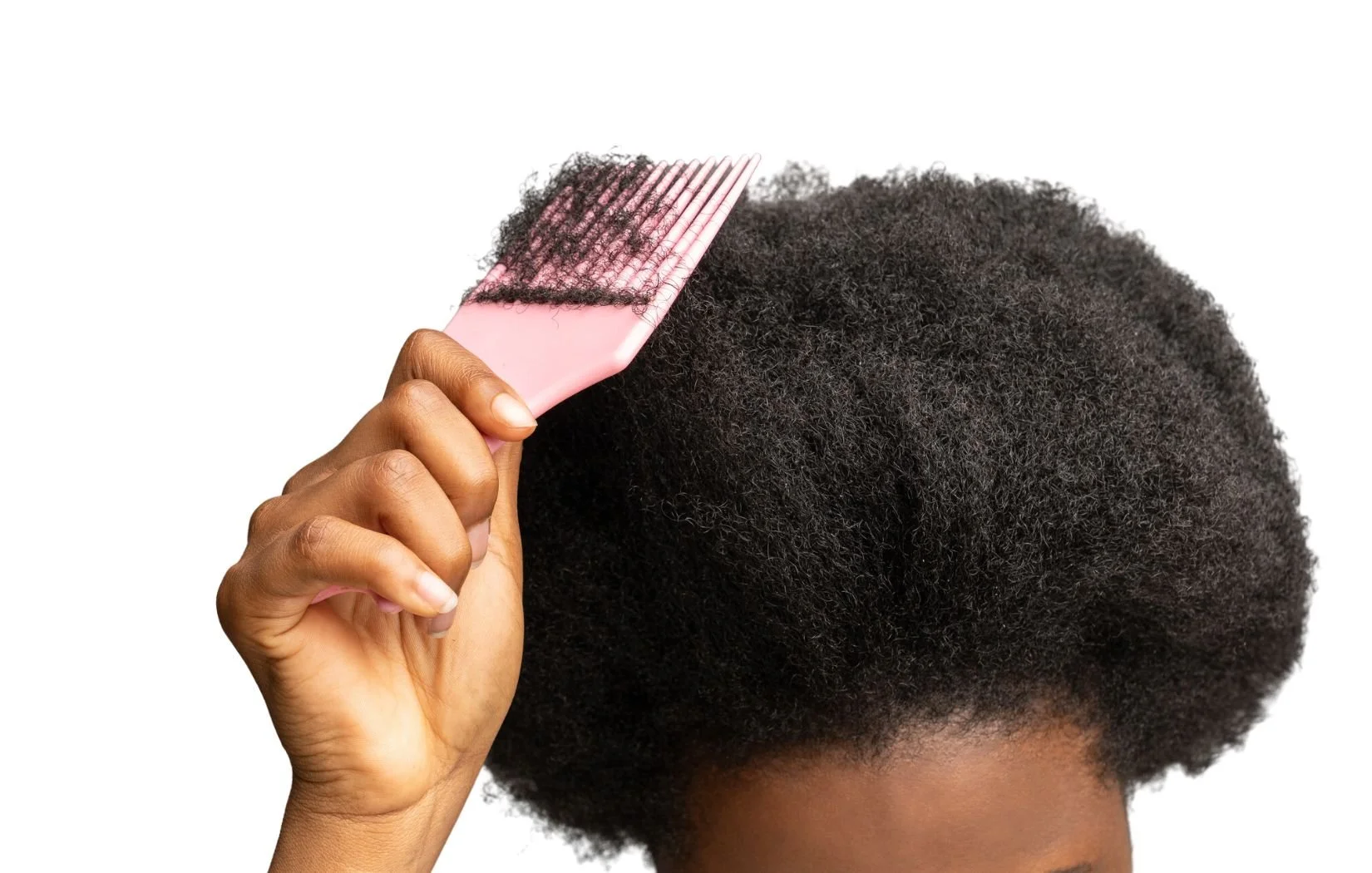
How to Choose the Best Oil Sheen for Your Hair
Does your natural hair sometimes feel a bit dry and fragile?
That’s because your beautiful curls and coils can make it tricky for your scalp’s natural oils to reach the length of your entire hair shaft.
An oil sheen hair spray can help by giving your hair a much-needed radiant glow in seconds.

Does your natural hair sometimes feel a bit dry and fragile?
That’s because your beautiful curls and coils can make it tricky for your scalp’s natural oils to reach the length of your entire hair shaft.
An oil sheen hair spray can help by giving your hair a much-needed radiant glow in seconds.
What is oil sheen?
Oil sheen is a lightweight spray that can give your hair instant shine and radiance. It’s like putting a finishing touch on your naturally styled hair.
Oil sheens also:
Protect your hair from the weather
Make your hair easier to comb and style
Keep your hair healthy
Enhance your hair’s natural curl pattern
The exact ingredients of an oil sheen product can vary from one brand to another, but here are some common elements:

JOJOBA OIL

ARGAN OIL

COCONUT OIL
Natural oils boost shine while also nourishing your hair:
Jojoba oil
Argan oil
Coconut oil
Silicones can give your hair a smooth finish. They help tame frizz and flyaways, making your hair look sleek and polished.
Fragrances: Because why wouldn’t you want your hair to smell heavenly? But if you’re sensitive to fragrances, you can opt for something fragrance-free.
Many oil sheens are enriched with vitamins like vitamin E. The benefits are:
Promotes hair growth
Suitable for an itchy, dry scalp
Repair damaged hair follicles
Protects hair from environmental damage, like pollution
See the “Vitamins in Oil Sheen” Chart for even more benefits.

You want a lustrous, natural shine, not oily, weighted-down hair. A good oil sheen should feel lightweight and not leave your hair feeling heavy or oily.
Remember to check the ingredients on the back of the bottle.
Find a hair product with the best ingredients and bang for your buck. Great oil sheen sprays are available that can give you shiny hair and a luxurious feel at a reasonable price.
Start by understanding your hair.
Understand Your HAIR’S Unique Needs
Each hair type has its unique characteristics, needs, and challenges.
Here are some important considerations for each hair texture and type:
STRAIGHT HAIR
Often, straight hair gets oily faster than other hair types. The natural hair oils from your scalp can easily travel down the length of the hair shaft when your hair is naturally straight.

(1) STRAIGHT HAIR - (2) WAVY HAIR - (3) CURLY HAIR - (4) COILED OR KINKY HAIR
Straight hair may lack volume at the roots, so using products that add lift may be beneficial.
When styling using heat, a protectant is vital to prevent heat damage for all hair types, especially when hair is naturally straight.
WAVY HAIR
Wavy hair can be prone to frizz, especially in humid conditions. So, use products like curl enhancers or mousses to help keep your waves defined.
To keep your hair moisturized without weighing it down, choose lightweight conditioners and oil sheens. Your hair will thank you with happy, bouncy waves!
CURLY HAIR
Curly hair tends to be drier than straight or wavy hair, so deep conditioners and hydrating products are essential.
Brushing curly hair when dry can lead to breakage and frizzy hair. It’s best to detangle curly hair when it’s wet and well-conditioned.
Because of the hair pattern, curly, coiled, or kinky hair can appear shorter than its actual length.
That’s shrinkage.
COILY OR KINKY HAIR
Kinky-Coily hair often craves hydration. Moisturize your hair with deep conditioning treatments, leave-in conditioners, and hot oil treatments to prevent dry, brittle hair.
Due to its fragile nature, it's essential to handle coiled hair gently, especially when detangling wet hair or styling dry hair.
You can opt for protective styles like braids, twists, or buns to prevent breakage and retain length.
Using hair oils can help seal in moisture and provide a protective barrier for your hair.
Remember, every coil and curl is unique. With the proper care, your coily crown will always shine bright!
FOR ALL HAIR TYPES…
Understand your unique needs. Even within these categories, there's a lot of variation. What works for one person might not work for another. Also, consider your personal preferences.
Avoid harsh chemicals. Limit exposure to harsh chemicals, sulfates, and excessive heat to maintain healthy hair.
Get regular trims. This helps prevent split ends and maintain the overall health and shape of your hair.
WHAT IS THE BEST OIL SHEEN FOR YOUR HAIR?
There are a lot of options when it comes to oil sheens and hair care products. So, how do you find the one that's just right for your unique hair needs?
Oil sheens are designed to make hair look shiny and feel good. But with so many choices, how do you pick the right one for your hair type?
Whether you're flaunting pin-straight strands, wavy vibes, bouncy curls, or magnificent coils, there are oil sheens tailored for all hair textures.

STRAIGHT HAIR
Straight hair can get oily quickly, so a light mist that adds shine without weighing it down is ideal.
Argan oil and jojoba oil are light and non-greasy and give that sleek, glossy finish for healthy-looking hair.
WAVY HAIR
Wavy hair needs balance. Coconut and almond oils provide hydration and shine without disrupting those beautiful waves. Plus, they help combat any frizz that might pop up!
CURLY HAIR
Curly hair craves moisture! Avocado oil and olive oil are a tad heavier, perfect for defining and shining those curls while keeping them bouncy and frizz-free.


KINKY (COILY) HAIR
Kinky hair, with its tight coils, needs deep nourishment. Castor oil and shea butter are rich and moisturizing, ensuring each coil shines and stays protected.
Ultimately, choosing the best hair oil is about understanding your hair needs. The right product can make your hair look great and keep it healthy. So, the next time you shop for hair products, you'll know what to look for. It's all about finding what works best for your unique hair.
HOW TO APPLY OIL SHEEN FOR BEST RESULTS
Start Fresh.
Begin with clean, freshly washed hair. This removes any old products that might stop the oil sheen from doing its job.
Shake It Up.
Give your oil sheen spray a good shake. This makes sure all the ingredients are mixed up and ready to work.
Hold and Spray.
Hold the bottle about 6-12 inches away from your hair. This helps spread the spray evenly.
Short Bursts.
Use short, controlled bursts as you spray. You want light, even coverage.
Focus on the Ends.
While you want that overall shine, give extra love to the ends of your hair. They're often the driest part and can benefit from the added moisture and shine.
Use Your Fingers.
After spraying, gently run your fingers or a wide-tooth comb through your hair. This helps distribute the product evenly and ensures every strand gets its share of the glow.
Less is More.
Remember, you can always add more if needed, but it's harder to remove. Start light; give it another spritz if your hair craves more shine.
Final Touch.
Once you're satisfied with the shine, style your hair as desired.
And there you have it! Follow these steps, and you'll have shiny, great-looking hair.
COMMON MISTAKES TO AVOID WHEN USING OIL SHEEN
Oil sheens can make your hair look and feel better. But, just like any other product, you must use them correctly.
There are some common mistakes people make with oil sheens. Knowing what they are lets you ensure your hair gets all the benefits and looks its best.
SOME COMMON MISTAKES
Overdoing It—Too much can make hair look greasy rather than glossy. A little often goes a long way.
Spraying Too Close—Holding the bottle too close can lead to uneven application and wet patches. Spraying from a distance is best for a misty, even application.
Ignoring the Roots—While the ends of the hair often need the most moisture, neglecting the roots can result in an uneven shine.
Applying to Dirty Hair—Using an oil sheen on hair due for a wash can lead to product buildup. Clean hair allows for better absorption and shine.
Not Spreading Evenly—After spraying, combing, or running fingers through the hair to ensure even distribution is essential.
Using the Wrong Product—Not all oil sheens are created equal. Some are formulated for specific hair types. Always check the label to ensure it's the right match for your hair.
Skipping Hair Assessment—Assess your hair's current state before applying. If it's already oily, you might want to use less product or skip it altogether.
Not Considering the Environment—Be cautious if you're in a humid or rainy environment. Too much oil sheen can make hair more susceptible to frizz.
Ignoring Hair's Feedback—If your hair feels too oily or weighed down after application, it might be a sign to use less product next time or to choose a lightweight formula, for example.
Your hair's condition can change due to different factors, like the weather or your diet. Adjust the amount of sheen you use based on how your hair feels.
Remember, using an oil sheen enhances the hair's natural beauty, not overpowering it. You can achieve a radiant, healthy shine by avoiding these common mistakes.
ESSENTIAL CARE FOR YOUR CURLS
Oil sheens do more than boost your hair's appearance; they provide essential care for your curls. They add a radiant shine and protect against everyday wear and tear. So, give them a try and watch your hair shine!
It's essential to note that while these tips are helpful, it's crucial to pay attention to what your hair tells you. Each person's hair is different, and knowing your hair type is critical to showcasing its natural charm!
FREQUENTLY ASKED QUESTIONS (FAQS)
How does oil sheen spray differ from other hair products?
Oil sheen spray is designed to add shine and moisture to the hair. Unlike hair sprays that hold a style or serums that might be heavier, oil sheens provide a lightweight shine and offer some protective benefits.
How often should I use an oil sheen spray?
This depends on your hair type and needs. Daily use is okay for added shine,
while some might use it once or twice a week. It's essential to watch how your hair responds and adjust your hair care routine accordingly.
Are there any potential side effects or allergic reactions associated with oil sheen sprays?
As with any product, it's possible for individuals to have allergic reactions to ingredients. It's always a good idea to do a patch test first and read the ingredient list to check for known allergens.
Can I use oil sheen sprays on colored or chemically treated hair?
Yes, but it's essential to choose a product that's safe for colored or treated hair to ensure it doesn't affect the color or treatment.
Can you use oil sheen on braids?
Braids can sometimes lead to dryness, especially if they're kept in for an extended period. An oil sheen spray can help lock in moisture, preventing the hair within the braids from becoming too dry. While the primary purpose of oil sheen is for the hair, it can also provide some relief to a dry or itchy scalp, which can sometimes be an issue with braided hairstyles.
How does oil sheen spray affect hair health in the long term?
When used appropriately, oil sheen sprays can enhance hair health by providing moisture and protection. However, overuse or using a product not suited for your hair type can lead to buildup or other issues.
Can you use oil sheen on relaxed hair?
You can use oil sheen on relaxed hair. It often requires additional moisture due to the chemical process it undergoes. Oil sheen can help provide that much-needed hydration, preventing dryness and brittleness.
Can I use oil sheen sprays in combination with other hair products?
Yes, but it's essential to layer products correctly. Typically, lighter products should be applied before heavier ones.
How do I store my oil sheen spray to ensure its longevity?
Store in a cool, dry place away from direct sunlight.
Can men use oil sheen sprays, and are there any formulated specifically for them?
Yes. Men can use oil sheen sprays. While most are unisex, some brands might offer products with scents or formulations geared towards men.
Is it safe to use oil sheen sprays on children's hair?
Yes, but it's essential to choose products formulated for children or those without harsh chemicals. Always monitor for any adverse reactions.
How does the price range vary for oil sheen sprays, and is more expensive always better?
Prices can vary widely based on brand, natural ingredients, and other factors. While higher-priced products might offer certain benefits, it doesn't always mean they're better. It's essential to find a product that suits your hair type and needs, regardless of price.
LEARN MORE

Milady Standard is a technical and creative book about natural styles, braiding, and grooming tips with step-by-step photos and detailed instructions.

Tender and empowering, Hair Love is an ode to loving your natural hair -- and a celebration of daddies and daughters everywhere.

Hair Story is an exploration of Black Americans' tangled hair roots. A chronological look at the culture and politics behind the ever-changing state of Black hair from 5th-century Africa to present-day United States.
SOURCES

How Do Sunlight and Melanin Affect Vitamin D?
What is the connection between sunlight, melanin, and vitamin D?
Melanin acts like a natural shield when you expose your skin to sunlight. It protects your skin by absorbing some of the sun’s rays, rays that are vital for the production of vitamin D.
This article explores the relationship between sunlight, melanin, and vitamin D and why they are essential to your health.

What is the connection between SUNLIGHT, melanin, and vitamin D?
Melanin acts like a natural shield when you expose your skin to sunlight. It protects your skin by absorbing some of the sun’s rays, rays that are vital for the production of vitamin D.
- What is Melanin?
- Types of Melanin
- How to Get Vitamin D from Sunlight
- The Melanin Effect on Vitamin D Production
- Sunlight, Skin Color, and Science
- Vitamin D, Melanin, and Your Health
- Melanin and Vitamin D Deficiency
- Blacks, Vitamin D, and COVID-19
- How Much Vitamin D Do You Need?
- Learn More About It
- Sources
Because melanin blocks UV (ultraviolet) rays, people with dark skin may not get enough sun to produce an adequate supply of vitamin D.
Lighter skin tones can absorb more sunlight, resulting in higher levels of vitamin D production. However, increased sun exposure also raises the risk of harmful UV radiation.
This article explores the relationship between sunlight, melanin, and vitamin D and why they are essential to your health.
What is Melanin?
Melanin is a natural pigment. It’s found in your skin, hair, and eyes, giving them color.
The amount and type of melanin in your body determine your skin, hair, and eye color—and their different shades from light to dark.

The skin has three main layers, each with a unique job.
The top layer, the epidermis, has two main cell types: keratinocytes and melanocytes.
Keratinocytes make up the surface of your skin. They’re like the skin’s protective shield. Deeper in the epidermis are melanocytes. These cells make a color pigment called melanin.
Inside melanocytes, there are tiny structures called melanosomes. This is where melanin is made.
The type and amount of melanin and the number of melanosomes decide a person’s skin color.
Melanosomes make melanin, but they need to move it to the keratinocytes. Once there, some melanosomes act like umbrellas, shielding the center of the cell.
Melanin is your skin’s natural sunscreen.
It catches harmful sun rays, called ultraviolet (UV) rays, to protect your skin’s DNA. Too much UV can injure your DNA and cause skin damage.
When you’re in the sun more, your skin makes more melanin to protect itself. This is why you might get a tan. But everyone’s skin is different. Some people tan easily, while others don’t. A lot of this is because of the genes handed down to you from your parents.
TYPES OF MELANIN
Humans have three types of melanin: eumelanin, pheomelanin, and neuromelanin.
Eumelanin
Produces dark colors in skin, hair, and eyes.
Imparts rich hues that range from deep brown to black.
The more eumelanin in the skin, the darker its tone.
Higher concentrations in hair and eyes produce dark black or brown shades.
Small quantities of eumelanin contribute to lighter colors like light brown or blonde.
Pheomelanin
Pheomelanin produces red and yellow colors in hair and freckles.
When combined with eumelanin, pheomelanin creates diverse shades, such as strawberry blond hair or auburn hair with a red tint.
Individuals with fair skin often have more pheomelanin than eumelanin, which gives them a lighter overall skin tone.

MELANIN COLOR CHART
Mixed Eumelanin and Pheomelanin
Many people have eumelanin and pheomelanin working together to create a mix of colors.
For example, hazel eyes occur when eumelanin and pheomelanin blend in your irises.
The combination of eumelanin and pheomelanin can contribute to diverse tones and subtle highlights.
Neuromelanin
Neuromelanin is a unique form of melanin found in specific regions of the brain.
It is not primarily involved with external appearances.
Neuromelanin functions within the brain to protect and regulate nerve cells.
As scientists study neuromelanin, what they learn could help prevent neurological disorders such as Parkinson’s.
How to get vitamin D from sunlight
Vitamin d Production
Sunlight contains a type of ultraviolet (UV) radiation called UVB rays.
When these UVB rays reach the skin, they interact with 7-dehydrocholesterol, which is present in the skin cells.
When UVB rays interact with 7-dehydrocholesterol, it undergoes a chemical reaction, converting it into a compound known as pre-vitamin D3.

To become active, pre-vitamin D3 needs further processing.
This occurs naturally in the body through the heat of the skin, converting pre-vitamin D3 into vitamin D3 (also known as cholecalciferol).
Vitamin D3 travels to the liver through the bloodstream. In the liver, it undergoes another transformation, becoming a substance called calcidiol or 25-hydroxyvitamin D.
Finally, in the kidneys, calcidiol is converted into its active form, known as calcitriol 0r 1,25-dihydroxy vitamin D.
This active form is what the body can use for its various functions.
The Melanin Effect on Vitamin D Production
Melanin levels can have an impact on the amount of vitamin D that is produced and makes its way into your bloodstream.
Melanin, being dark in color, absorbs and scatters UVB rays, offering protection.
With light-colored skin, a smaller amount of melanin protects against UVB rays, leaving other rays to reach the lower layers of the epidermis, where vitamin D is synthesized.

The more melanin you have, the darker your skin tone, as depicted in the following graphic. And a more significant amount of melanin means more rays are absorbed and scattered. It also means fewer rays reach the part of the epidermis where vitamin D is produced.

Vitamin D is a crucial nutrient and is essential for maintaining optimal health.
And if you have a higher amount of melanin (darker skin), you might have less vitamin D available for your body’s use.
Sunlight, skin color, And Science
HOW you GoT yOUr SKIN COLOR
When ultraviolet sunlight comes into contact with the skin, it affects each person differently. The time it takes for skin to react varies depending on its color. Some people with light skin tan very quickly, while others need more time for any change to show.
Why does skin have so many different shades? And how did this color variation come to be?
The story of skin is fascinating. It’s about human adaptability and resilience.
Melanin is at the center of the tale. It determines the color of your skin and hair, from the various shades of brown skin and hair that come from eumelanin to the red hair and freckles from pheomelanin.
However, human ancestors didn’t always have the range of skin tones we see today.
A critical change happened around 50,000 years ago when early humans migrated from Africa to Europe and Asia. These individuals lived in regions heavily exposed to the Sun’s UV rays, between the Equator and the Tropic of Capricorn. The prolonged UV exposure posed risks, including DNA damage and sunburns.
The story of skin reflects our biological differences.
The Science of Skin Color
Human ancestors adapted by relying on their skin's built-in defense mechanism: melanin.
When exposed to UVB radiation, the skin triggers melanin production, protecting cells from damage. Light-skinned people developed more melanin and tanned, while darker skin tones evolved. Humans adapted to the sun-saturated latitudes of Africa, while melanin levels provided better protection from skin damage.
However, as humans migrated northward, they encountered less direct sunlight.
This presented a challenge because UV light is essential for producing vitamin D, which is crucial for bone health. Dark skin blocks some sunlight, leading to vitamin D deficiency in regions with less sun.
Yet, some individuals produced less melanin and absorbed more UV light, benefiting from increased vitamin D production. Over generations, this contributed to the gradual lightening of skin tones in those areas.
The primary factor influencing skin color is the production and distribution of melanin.
As a result of these adaptations, the world today showcases a remarkable spectrum of skin colors. People closer to the Equator typically have darker skin that is rich in eumelanin, providing protection against UV radiation.
Meanwhile, those in regions with less sunlight have lighter skin with higher pheomelanin content. This complex relationship between biology, adaptation, and environment led to the diverse skin tones we see across the globe today.
As humans migrated and settled in different parts of the world, their skin adjusted to the local climate in order to optimize health and survival.
Sunshine and Skin Color

SOURCE: George Chaplin, Geographic Distribution of Environmental Factors Influencing Human Skin Coloration, American Journal of Pysical Anthropology 125:29-302, 2004; map updated in 2007. https://www.science.org/doi/10.1126/science.346.6212.934
In regions with intense sunlight and higher levels of UV radiation, people developed higher levels of melanin to protect their skin from the harmful effects of the sun.
Darker skin provides a better defense against UV rays, thus reducing the risk of sunburn, skin damage, and skin cancer.
This adaptation was especially beneficial for people living near the equator, where the sun is more direct and intense throughout the year.
Conversely, in regions with lower levels of UV radiation, such as higher latitudes or areas with more cloud cover, people developed lighter skin with lower melanin levels.
This adaptation allowed their skin to absorb more sunlight and produce adequate vitamin D even with less sunlight.
vitamin d, melanin, and your health
The relationship between melanin and vitamin D is crucial. Both are essential for maintaining good health and overall well-being.
Here’s why they’re essential.

BONE HEALTH
Vitamin D plays a vital role in calcium absorption, which is essential for maintaining strong, healthy bones.
Vitamin D helps regulate calcium and phosphorus levels in the body, promoting proper bone growth and development.
IMMUNE SYSTEM and DISEASE PREVENTION
Both melanin and vitamin D protect the body from infection and disease, helping to boost your immune system.
An adequate vitamin D level can lower the risk of chronic diseases like cancer, heart disease, diabetes, and autoimmune disorders.
Vitamin D also helps your muscles work well and regulates your hormones.
Like vitamin D, melanin also aids with disease prevention. Its antimicrobial properties help to protect against harmful bacteria and viruses.
Melanin is also involved in the body’s response to injury and inflammation. It helps to limit the damage caused by harmful substances and free radicals, reducing the risk of cellular damage and chronic diseases.

MENTAL HEALTH
Optimal vitamin D levels are associated with improved mood, reduced risk of depression, and enhanced brain health and cognitive performance.
SKIN AND EYE HEALTH
Melanin acts as a natural sunscreen, absorbing and dissipating harmful ultraviolet radiation from the sun.
This protection helps prevent sunburn and premature aging and reduces the risk of skin cancer.
Melanin’s natural defense against UV radiation also reduces the risk of eye problems such as cataracts.
The benefits of melanin and vitamin D are many. But what happens when melanin and vitamin D are deficient?
Melanin and Vitamin D Deficiency
WHAT Conditions Are Linked to Melanin Deficiency?
Melanin deficiency can contribute to various conditions. The severity of these disorders and how they present can vary.
Albinism: A genetic disorder characterized by the absence or low production of melanin. It can lead to very light skin, hair, and eyes, increased sensitivity to sunlight, and an elevated risk of skin damage and skin cancer.
Vitiligo: An autoimmune disorder that causes depigmentation or loss of melanin in patches of skin, resulting in white or light-colored areas. It can affect any part of the body.
Hypopigmentation: Various conditions can arise from injuries, infections, or certain medical conditions and can result in lighter patches of skin due to reduced melanin production.
Ocular Albinism: Primarily affects the eyes, resulting in reduced visual acuity, light sensitivity, and eye coordination issues.
Increased Skin Cancer Risk: Individuals with lower melanin levels are at a higher risk of developing skin cancer due to reduced natural protection against UV radiation.
WHAT Conditions Are Linked to Vitamin D Deficiency?

Schizophrenia & Depression
Asthma & Respiratory Infections
Heart Disease
Diabetes
Muscle Weakness
Osteoporosis
Rickets
Other conditions or diseases are linked to low vitamin D levels, though the exact reasons are still being researched:
Dementia
Erectile Dysfunction
Prostate Cancer
Mood Disorders
Skin and Hair Changes
Vitamin D testing and African-Americans
The type of vitamin D, known as 25-hydroxyvitamin D, is tightly bound to a protein. This means that it can't be used by essential cells like those in your bones and immune system.
To become useful, your kidneys must change 25-hydroxyvitamin D into a different form known as 1,25-dihydroxyvitamin D.
For White people, the levels of 25-hydroxyvitamin D in the blood usually give a good idea of how much usable vitamin D they have.
But this isn't true for Black Americans.
Dr. Thadhani says that African Americans have only about 25% to 33% of the protein that binds to this form of vitamin D compared to White people.
Because of this, the usual blood test for 25-hydroxyvitamin D doesn't give an accurate picture of African American vitamin D levels.
His studies show that even with these lower protein levels, African Americans still have enough vitamin D that their bodies can actually use.
This is why Black Americans generally have strong bones, even though the standard blood tests would suggest they shouldn't.

Dr. Thadhani recommends that doctors do extra tests, like checking the calcium levels in the blood and testing bone strength, when treating African American patients.
Currently, there's no approved test for measuring the usable form of vitamin D, known as 1,25-dihydroxyvitamin D. However, Thadhani and his team are developing such a test and have submitted a patent application for it.
BLACKS, Vitamin D, AND COVID-19
Besides bone health, vitamin D also improves your immune system to help fight off disease.
Although Black Americans generally seem to have good bone health despite low vitamin D levels, higher amounts appear to be needed to boost the immune system, especially for such diseases as COVID-19.
According to David Meltzer, chief of hospital medicine at the University of Chicago Medicine and lead author of the study, there are indications that vitamin D can enhance the immune response and reduce inflammation. However, the results so far aren’t totally clear.
There’s a lot of disagreement over what the ideal Vitamin D level is.

The normal range of 25-hydroxy vitamin D is measured as nanograms per milliliter (ng/mL). Many experts recommend a level between 20 and 40 ng/mL. Others recommend a level between 30 and 50 ng/mL. (*)
Past research may have used too low doses of vitamin D to see a significant immune boost, even though those doses were good for bone health.
Meltzer's findings showed that Black individuals with lower vitamin D levels had a much higher risk of getting COVID-19, with those at the lowest levels being 164% more likely to test positive. However, this wasn't the case for White individuals.
The study suggests that having vitamin D levels above 40 ng/mL might reduce the risk of COVID-19, especially for Black people.
HOW MUCH Vitamin D DO YOU NEED?
You make a lot of vitamin D you need from sunlight. Exposure to your arms and legs for 10-15 minutes just a few times a week may be enough for you.
Getting the right amount of sun for you individually isn’t always easy. The season, time of day, where you live, clouds, pollution, and other factors can affect how much sun you get.
Older people don’t make as much as younger folks. Also, those with darker skin usually have less vitamin D than people with lighter skin.

Darker skin protects from sunburn, but produces Vitamin D more slowly.
What if you don't get enough sun? Can't you eat foods that are loaded with vitamin D?
There aren't many foods that naturally have a lot of vitamin D3.
The best sources are fatty fish like salmon and fish liver oils. You can also find smaller amounts of vitamin D3 in foods like egg yolks, cheese, and beef liver.
Some mushrooms have a bit of vitamin D2, and certain mushrooms you can buy in stores have more D2 because they're purposely exposed to intense ultraviolet light.
Additionally, dairy products, cereals, and orange juice have extra vitamin D added. This increases their nutritional value.

Not many foods are rich in vitamin D.
And if you have certain health conditions like Crohn's or celiac disease and liver or kidney problems, your body might have trouble using the vitamin D you get from food.
VITAMIN D DAILY RECOMMENDATIONS
The National Institutes of Health (NIH) has some suggestions for how much vitamin D we should get each day, depending on our age.

Vitamin D, although a hormone, is called the sunshine vitamin. An adequate supply of it is crucial for maintaining strong bones and healthy bodies.
If you are not getting enough vitamin D from sunlight and your food, your physician may want you to consider taking supplements.
For babies (0-12 months old), the NIH recommends 400-1,000 IU of vitamin D daily, about 10-25 micrograms. From one year old through teen years, aim for 600-1,000 IU, or 15-25 micrograms daily.
The recommendation for adults (19-70 years old) is 600-800 IU (15-20 micrograms) daily.
But if you're a senior (71 years and older), 800-1,000 IU (20-25 micrograms) is advised.
Pregnant or breastfeeding moms should also follow these guidelines, with a daily goal of 600-800 IU or 15-20 micrograms.
These recommendations help ensure you stay healthy, inside and out!
Discovering the right amount of sunlight and finding other ways to get vitamin D can lead to better health and boost your immune system.
Melanin gives skin its diverse and vibrant colors, which can sometimes block your skin from getting enough vitamin D from the sun.
If you are uncertain of your vitamin needs, the best thing you can do is talk to your doctor or healthcare provider.
Your health is essential, so don’t hesitate to have that conversation!
They will consider your health, lifestyle, and special needs and advise you on your supplement requirements. Working together, you can make intelligent choices that keep you healthy and feeling your best!
And remember, melanin isn’t only about how you look. It’s about culture. It reflects your rich history and background.
So, embrace and celebrate your unique skin colors and features because they show how wonderfully diverse we are.
LEARN MORE ABOUT IT


UV-FREE NATURAL LIGHT THERAPY


8 Powerful Immunity Ingredients
SOURCES
“Vitamin D Metabolism < Clinical Reference - MSK.” Home < Clinical Reference - MSK.
“Immunologic Effects of Vitamin D on Human Health and Disease - PMC.” PubMed Central (PMC).
Professional, Cleveland Clinic. “Melanin: What Is It, Types & Benefits.” Cleveland Clinic.
Sally, Ananya Mandal, MDReviewed. “What Is Melanin?” News-Medical.Net, News-Medical, 20 Nov. 2011.
“Vitamin D - Consumer.” Office of Dietary Supplements (ODS).
“The Difference Between UVA, UVB, and UVC Rays.” UPMC Health Beat, 25 Apr. 2022.
“UV Rays: Types of Ultraviolet Rays; UVA, UVB, UVC, and Cancer.” City of Hope, 5AD.
“Vitamin D Metabolism < Clinical Reference - MSK.” Home < Clinical Reference - MSK.
“Time for More Vitamin D - Harvard Health.” Harvard Health, 1 Sept. 2008.

How to Test Your Blood Sugar (and Why)
Testing your blood sugar involves certain steps. That is the “how-to”.
But knowing how to do something, doesn’t mean that you’ll take the time to do it or that you’ll realize the importance of the task. Especially if that something makes you uncomfortable.
So before we get to the HOW of glucose testing, let’s discuss the WHY.
After that, we’ll look at the equipment you’ll need and we’ll go step-by-step through the blood sugar testing routine.

Testing your blood sugar involves certain steps. That is the “how-to”.
But knowing how to do something, doesn’t mean that you’ll take the time to do it or that you’ll realize the importance of the task. Especially if that something makes you uncomfortable.
So before we get to the HOW of glucose testing, let’s discuss the WHY.
After that we’ll look at the equipment you’ll need and we’ll go step-by-step through the blood sugar testing routine.
Direction and Focus
Diabetes. Work. Home. Family. Other commitments.
A whirlwind of activities.
There is so much going on in your life right now that checking your blood sugar may be one more thing you are trying to squeeze into your crazy schedule.
But testing your blood sugar will keep you focused on what’s important: Living a healthy life.
According to the Centers for Disease Control and Prevention:
African American adults are 60 percent more likely than non-Hispanic white adults to have been diagnosed with diabetes by a physician.
In 2017, African Americans were twice as likely as non-Hispanic whites to die from diabetes.
African Americans are also 2 to 3 times more likely to be diagnosed with end-stage kidney disease and more likely to be hospitalized for lower limb amputations.
So keeping your blood sugar in check will improve your likelihood of living your best life.
But you won’t know if your blood sugar is in control unless you monitor it.
Testing your blood sugar will give you direction.
Maybe you’ve already made lots of changes to your daily routine. Maybe you’ve changed what you eat. Maybe you’ve added oral diabetes medication or insulin. Maybe you’ve added some healthy, low-impact exercises.
All of those things affect your blood sugar. Is it in a healthy range? Or is it too high? Too low?
You won’t know if you’re not testing regularly.
Perhaps you’re sticking to your meal plan as best you can, but your sugar levels still aren’t under control.
Don’t wait until your next office visit with your doctor or dietitian to find out that your blood sugar is sky-high.
If you test regularly, you’ll have a better indicator of your control.
The changes you’ve made — are they working? Testing will give you room to be proactive.
If things are heading in the wrong direction and your blood sugar sinks too low or rises too high, you’ll know sooner rather than later. And you can act quickly to make necessary changes.
Monitor your blood sugar every day. Write down your results.
Then take your log sheet or notebook or app with you when you visit your doctor, dietitian or diabetes educator.
Together as you review your blood sugar results and compare them to your foods, medication, exercise and other lifestyle factors, you’ll be better able to fine-tune your plan for success.
Because your readings can change based on the time of day and when you ate your last meal as well as what you ate, your log should include the time of day when you tested.
So be consistent, and test at the same time every day. For example, if you’re testing before breakfast and after meals, try to keep your meal times consistent.
Now that you know the WHY of testing and its importance, it’s time to gather the necessary equipment.
Glucose Monitoring Kit
You’ll need a glucose monitoring kit also called a glucometer kit. Your health care provider may provide you with a free kit or may give you a prescription to take to your local pharmacy where your insurance may cover your monitor at low or no cost to you.
Kits usually contain lancets, a lancing device and test strips.
You can call your insurance carrier and find out if they will cover the cost of a glucose monitor. Make a note of the brands they will cover. Also ask if they will pay for supplies such as test strips, lancets, control solution and alcohol wipes–because you’ll need those items on a regular bases.
Once you have the glucose monitor, the biggest expense will be the test strips which normally cost between $10 and $60 per box of 50 test strips depending on the brand, so take that into consideration when choosing a monitor.
You can purchase diabetes supplies without a prescription from your local pharmacy or online, but if your insurance will cover the cost, you’ll need a doctor’s prescription.
WHAT TO LOOK FOR IN A MONITOR

There are many monitors to choose from. Compare the available features, and note which features are most important to you.
ACCURACY
Manufacturers of glucose monitors follow strict guidelines and are overseen by the Food and Drug Administration (FDA) but those standards still leave room for errors that could fall within 15-20% above or below the true value.
But the readings you get even if not 100% accurate are usually within a range close enough to help you decide on a plan of action.
A reading that’s a little high for someone not on insulin may mean doing exercise immediately to lower blood sugar. But a pattern of highs at the same time each day may indicate the need to make changes in medication, food, and/or exercise.
Monitors can also fall victim to human error.
Things you can do to improve meter accuracy.
Wash your hands before testing.
Avoid putting on lotion right before testing.
Be sure the testing site is not damp from rubbing alcohol.
Calibrate your meter based on the manufacturer’s guidelines.
Drink enough fluids. Dehydration can interfere with proper readings.
Store your test strips properly.
Do not use test strips that are past the expiration date.
Food, drink or lotion residue left on your hands can affect your blood glucose reading, so be sure to wash and dry your hands before you test. If you use an alcohol swab, be sure to let the site dry completely before testing.
ENVIRONMENT
Altitude, humidity, and room temperature can all affect your glucose results by affecting your body or the strips you use. Some meters will come with instructions on how to get proper readings in those particular situations.
PRICE
The price of a meter escalates based on the features.
A basic, no-frills meter can cost around $10. Meters that can plug into your computer or smartphone or that have rechargeable batteries may cost $75 or more.
The most pricey part of testing is the test strips. You’ll need a new strip each time you test. And test strips must be compatible with the meter. So before you buy the meter, find out how much a box of its test strips will cost you.
MEMORY
How many test results can the meter hold? Do you want to be able to refer back to your readings a week later? A month later?
Some meters can hold up to 500 test results and can also give you weekly and monthly averages.
METER SIZE
Meters come in many shapes and sizes to fit your preferences. Do you want larger numbers to make it easier for you to see the results? Do you want a small meter that fits easily in your hand? It’s your choice.
SPEED OF RESULTS
If you’ll be testing many times during the day, you may want a meter that will give you results in 5 seconds or less.
SIZE OF BLOOD DROP NEEDED
Meters need a specific amount of blood (measured in microliters) in order to work properly and give you an accurate reading.
OTHER AVAILABLE FEATURES
Audio Capability
Backlighting
Wireless Bluetooth Capability
HOW TO TEST
Overview
Wash your hands with warm, soapy water. Dry your hands before testing.
Prepare your lancing device.
Remove a test strip from the container. Close the lid tightly to keep the remaining strips protected.
Insert the test strip into the meter.
Prick the the side of your finger tip with your lancet device. Then squeeze your finger a bit.
Gently touch the test strip against the drop of blood until enough blood has been drawn into the strip.
Your reading will appear on your monitor.
Using a cotton ball, apply a bit of pressure to your finger. Bandage, optional.
Properly discard your test strip and lancet. (Sharps container or an empty detergent bottle or empty coffee can will do.)
Record your reading using a written log or save it to your meter’s memory if it has the capability.
Demonstration
Watch this short video demonstration sponsored by WebMD.
If you’re looking for a glucose monitoring kit, there are many kits available and you can read their customer product reviews on Amazon and compare their customer star ratings. Here are two glucometers available on Amazon:
Bayer Contour NEXT EZ Blood Glucose Monitoring Kit
Easy to use, no coding required
Results in as little as 5 seconds
Kit includes: Contour Next EZ Meter, 50 test strips, 100 lancets, lancing device, alcohol pads, control solution, instructions/owner’s manual, logbook and carrying case
FreeStyle Lite Blood Glucose Monitoring System
Convenient, no coding required
Fast, 5-second average test time
Small sample size 0.3 microliter
Small meter size to use on the go
Stores up to 400 results with date and time
Kit includes: FreeStyle meter, lancing device, carrying case, 10 lancets, 10 test strips, control solution, and owner’s booklet
If you don’t have a glucose monitor, get one today. If you do have a monitor and haven’t used it yet, then use it now.
And use it regularly. Know your numbers and share them with your doctor.
Here’s to you staying healthy and living your best life.

5 Tips to Keep Your Gorgeous Skin Looking Good and Feeling Good All Winter Long
Protect Your Skin
Going outdoors? Follow your grandmother’s advice and cover-up! Cold outdoor temperatures can dry out your skin, especially your hands. So don’t forget your gloves and mittens.

Protect Your Skin
Going outdoors? Follow your grandmother’s advice and cover up! Cold outdoor temperatures can dry out your skin, especially your hands. So don’t forget your gloves and mittens.
Avoid Harsh Soaps
Harsh chemical-filled soaps can remove precious oils from your skin.
Stick with a beauty bar or a natural soap with moisturizers like Shea butter, glycerin or olive oil.
Shea butter contains vitamins A, E, and F that nourish your skin and fatty acids that balance the oils and reduce dryness.
Glycerin draws moisture from the air and traps it in the upper layers of your skin, keeping it hydrated.
Olive oil, rich in vitamins A, D, E, and K, moisturizes and hydrates your skin. (Use cautiously on infants or if you have sensitive skin or a family history of eczema.)
Warm Not Hot
A long hot bath or shower might feel great, but during the winter, warm is better for your skin.
And keep it short. No more than 10 minutes.
Moisturize, Moisturize
At least twice a day, and especially after a shower or bath or even hand washing, apply a thick moisturizing cream or ointment.
Moisturizing keeps water in your skin and helps keep natural oils from escaping.
But avoid moisturizers heavy on fragrance and additives that can irritate your skin.
Seek Professional Advice
Forget to moisturize, and a little bit of ashy-ness can turn into seriously dry skin. If that happens, try over-the-counter hydrocortisone.
Apply hydrocortisone to affected skin usually up to 4 times daily.
Avoid using it on the face or underarms.
Do not use it on children under two years old.
Follow package instructions.
If over-the-counter hydrocortisone doesn’t bring the smooth & silky back, then seek professional advice.
You Look Good!
Remember these tips to help keep your beautiful skin smooth and soft throughout the cold winter months and all year round.