
Your Custom Text Here
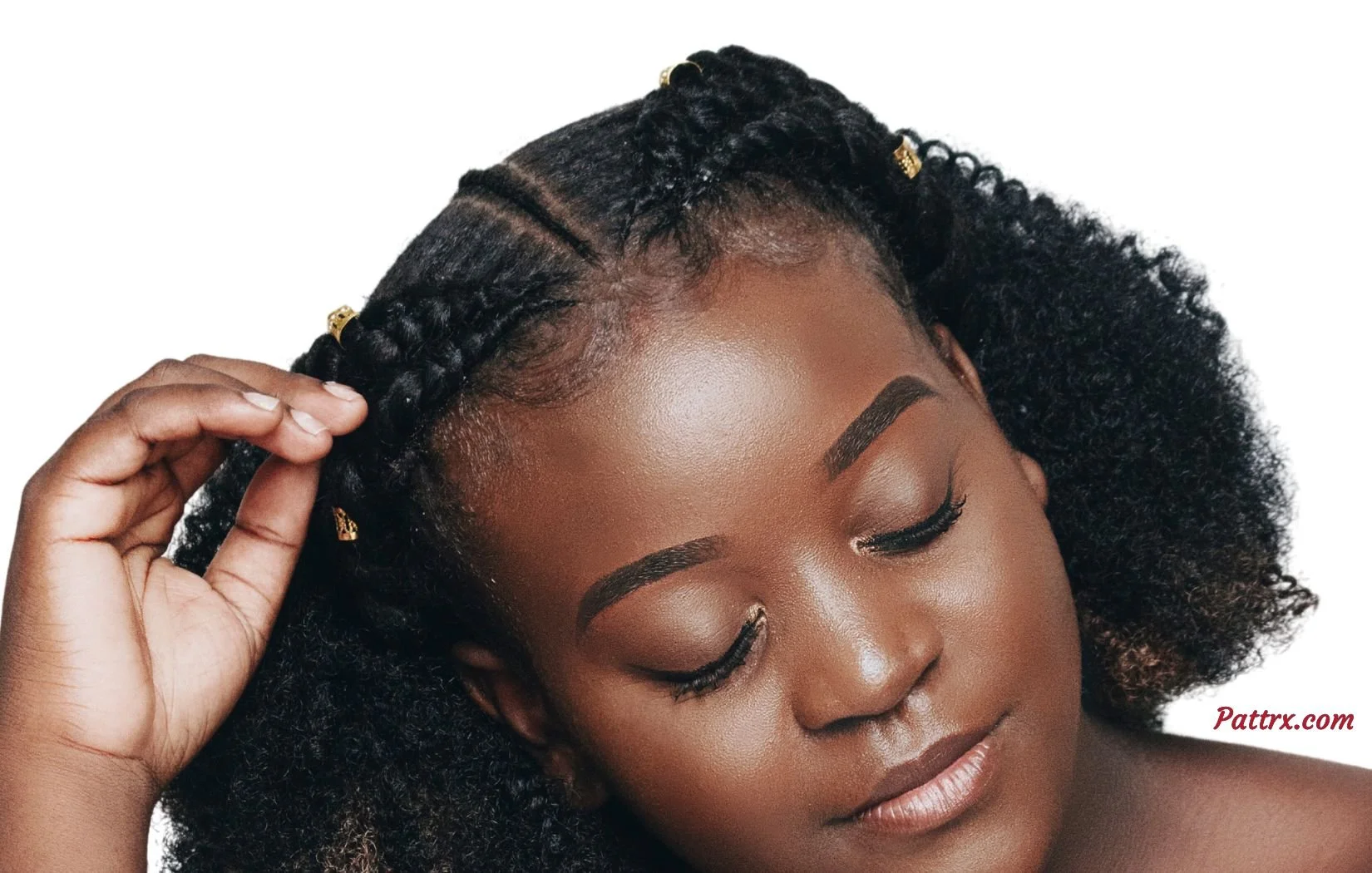
15 Best Oil Sheens for Natural Hair Styles
Finding the right product for your natural hair can seem nearly impossible. But enhancing and maintaining the beauty of your hair is crucial.
To keep your hair healthy, shiny, and well-nourished, you need hair care products that can add moisture and vitality to your natural style.
Oil sheens can give you what you’re looking for.

Finding the right product for your natural hair can seem nearly impossible. But enhancing and maintaining the beauty of your hair is crucial.
To keep your hair healthy, shiny, and well-nourished, you need hair care products that can add moisture and vitality to your natural style.
Oil sheens can give you what you’re looking for.
From lightweight sprays to rich, nourishing oils, they are designed to enrich the natural beauty of your curls, coils, and waves.
We looked at the special benefits and featured ingredients of the 15 best oil sheens.
Here’s what we found.
(1) ORS OLIVE OIL NOURISHING SHEEN SPRAY

HAIR BENEFITS
of ORS Olive Oil Nourishing Sheen Spray
Featherlight Feel: Accentuates your hair’s natural beauty without weighing it down.
Intense Hydration: Enhances your hair’s vitality and combats dryness.
No Grease, Just Shine: Enriches your hair’s shine and improves the moisture balance.

The rich ingredients cater to all hair textures.
featured ingredients
of ORS Olive Oil Nourishing Sheen Spray
Nourishes Your Scalp: Hair care with a blend of olive oil, vitamin E, and herbal extracts. Essential fatty acids that promote a healthier appearance.
Avoids Harmful Substances: No fluorocarbons and drying alcohols.
Captivating feel and fragrance: Combat dryness effectively with daily use and a fragrance that delights.
(2) GARNIER FRUCTIS SLEEK & SHINE 10-IN-1

HAIR BENEFITS
of Garnier Fructis Sleek & Shine 10-in-1 + Plant Keratin
One-Step Solution: Tames frizz and dryness with a single spray.
Non-Greasy Formula: Achieves smooth, manageable hair without stickiness.
10-in-1 Benefits: Offers everything from shine enhancement to heat protection.
Damage Control: Visibly repairs and nourishes, leaving no residue.
Color-Friendly: Safe for use on color-treated hair.
Century-Old Expertise: Garnier's has a rich history of innovative, nature-inspired formulas and holistic care.
featured ingredients
of Garnier Fructis Sleek & Shine 10-in-1 + Plant Keratin
Natural Ingredients: Infused with the richness of Argan Oil and Plant Keratin.
Safe for All Hair Types: No parabens, silicones, or other harsh chemicals.
Vegan Formula: Committed to ethical, animal-friendly products.
(3) mizani 25 miracle NOURISHING OIL FOR ALL HAIR TYPES

HAIR BENEFITS
of Mizani 25 Miracle Nourishing Oil for All Hair Types
Nourishing Hair Oil: Less is more. Using too much can cause your hair to become greasy.
Versatile for All Hair Types: Whether your hair is thick, curly, dry, or tangled, this oil has proven effective.
A Little Goes a Long Way: Just a small amount can achieve the desired results, giving you value for your money.
Discover Multiple Uses: You can incorporate this oil into your hair care routine, from smoothing flyaways to deep conditioning treatments.

MIZANI CONTROLS FRIZZ
featured ingredients
of Mizani 25 Miracle Nourishing Oil
Recommendations by hair care professionals give you extra confidence in its effectiveness.
If you are looking for a luxurious hair care experience, this product delivers.
A unique fragrance experience. Many users like its sweet scent.
(4) ISOPLUS OIL SHEEN PROTECTIVE HAIR SPRAY

HAIR BENEFITS
of Isoplus Oil Sheen Protective Hair Spray Dramatic Shine
Ideal for Dry Hair:
Do you have dry hair or live in a dry climate?
Isoplus will give you a natural sheen without any of the greasy after-effects.
Pleasant Scent: Users expressed delight in the fragrance.
Affordability: You'll appreciate the reasonable price.
Positive Results without Residue: Enjoy the shiny finish this product offers your hair, notably without leaving any unwanted residue, a significant plus, according to current users.
Versatile: Works wonders on many hairstyles, including braids.
featured ingredients
of Isoplus Oil Sheen Protective Hair Spray Dramatic Shine
Moisturizing Qualities: It’s loaded with beneficial ingredients that help moisturize your hair.
Natural Derived Ingredients: Lanolin, silk amino acid, isopropyl myristate (often derived from natural sources like coconut oil), and sorbitan oleate (often derived from olive oil).
(5) PALMER’S COCONUT OIL HAIR AND SCALP OIL

HAIR BENEFITS
of Palmer’s Coconut Oil Formula with Vitamin E
Enriches: Palmer’s Coconut Oil Formula is designed specifically to improve your hair’s vitality and shine.
Deep Moisturization: Hydrates your hair and eliminates dryness to boost shine. Locks in moisture from the roots to the tips of your hair.
Nourishes Your Scalp: This formula penetrates deeply, nourishing and soothing, relieving dry scalp.
Trusted Brand: Palmer's rich history spans over 180 years, making it a leader in natural, treatment-oriented beauty products.

CRAFTED FOR ALL CURL PATTERNS AND TEXTURES.
featured ingredients
of Palmer’s Coconut Oil Formula with Vitamin E
Coconut Oil: Seals in moisture. Makes your hair shiny and manageable.
Polynesian Tiare Tahiti Flowers: Provides a luxurious, tropical scent.
Gentle: Free from parabens, phthalates, mineral oil, gluten, and dyes.
(6) CREME OF NATURE ARGAN OIL REPLENISHING SHEEN SPRAY

HAIR BENEFITS
of Cream of Nature Argan Oil Replenishing Sheen Spray
Shine and Moisture Enhancement: Enhances your hair’s shine without the greasy aftermath. Moisturizes and manages your locks.
Enjoyable Fragrance: The tropical, delicate aroma lingers in your hair, giving you sensory pleasure with practical benefits.
For Various Hair Types: Easy to use and effective whether your hair is natural or color-treated.
Non-Greasy Finish: No oily residue. Just a clean, shiny, and tangle-free outcome.
Hair Benefits: Adds shine. Nourishes, protects, and enhances your hair’s overall health.
featured ingredients
of Cream of Nature Argan Oil Replenishing Sheen Spray
Nourishing Ingredients: Enriched with Argan oil extracts and other pro-growth nutrients.
Environmentally Safe: Eco-friendly practices.
(7) CAROL’S DAUGHTER BLACK VANILLA SHINE

HAIR BENEFITS
of Carol’s Daughter Black Vanilla Shine Enhancing Hair Sheen
Conditions Hair: Leaves hair soft and manageable. Improves hair strength to help avoid breakage.
Hydration for All Styles: Enhances the shine and look of locs, twists, and braids.
Created for Naturally Curly Hair: It works on all textures and curls from 1c waves to 4c kinky coils.
Instant Fix for Dry, Dull, or Brittle Hair: Instantly adds shine to any look.
Easy to Use: Holding the bottle 8 - 10 inches away, lightly spray it evenly over your hair for a glossy finish and ongoing nourishment.
Made With Love
Carol's Daughter was born in a Brooklyn kitchen in 1993 and made with a mother's love and encouragement. Today, they carry a full line of hair care and body and skin care products.
featured ingredients
of Carol’s Daughter Black Vanilla Shine Enhancing Hair Sheen
Shea Butter and Jojoba Oil: Help condition your hair throughout the day.
Sweet Almond Oil: Strengthens your hair. Fewer snaps and breaks.
No Parabens: May cause scalp irritation.
No Mineral Oil: Coats the hair, preventing moisture from entering the shaft.
No Artificial Colors: May cause of irritation and allergies. No benefit to hair health.
No Petroleum: May clog hair follicles and contribute to dryness and breakage.
(8) OLIOLOGY COCONUT OIL NUTRIENT RICH 10-IN-1

HAIR BENEFITS
of Oliology Coconut Oil Nutrient Rich 10-in-1 Multipurpose Spray
Botanical Infusion: Hydrates and restores vibrancy to the hair.
Universal Formulation: Designed for all hair types and textures.
Brand Excellence: Oliology offers a collection of skincare and haircare essentials known for their holistic approach to beauty and wellness.
Anti-Aging and Beauty Enhancement: Antioxidants and vitamins promote and enhance overall beauty.
Multi-Functional Product: An all-in-one haircare solution that addresses ten common hair concerns.

FEATURED INGREDIENTS
of Oliology Coconut Oil 10-in-1 Multipurpose Spray
Coconut Oil: Nutrient-rich, strengthens hair and scalp, and reduces breakage. Leaves hair looking smoother, shinier, and healthier.
Quality and Ethical Standards: Manufactured in the USA. Adheres to ethical standards. Paraben-free. Cruelty-free.
(9) AUSSIE HAIR INSURANCE LEAVE-IN CONDITIONER

HAIR BENEFITS
of Aussie Hair Insurance Leave-In Conditioner
Hydrating Formula: Provides the essential assurance for your hair to maintain its health, offering instant frizz control and softening effects for a polished and manageable look.
Versatile Use: Acts as a leave-in conditioner suitable for all hair types, including curly hair, ensuring every strand is nurtured.
Easy Application: Designed for hassle-free use. Spray onto damp hair without rinsing, allowing for an efficient hair care routine.
Pleasant Fragrance: Infuses your locks with a delightful juicy citrus scent, adding a sensory pleasure to your hair care experience.
FEATURED INGREDIENTS
of Aussie Hair Insurance Leave-In Conditioner
Jojoba Oil Infusion: Contains the enriching properties of jojoba oil, known for its beneficial effects on hair health.
Ethical Standards: Proudly carries PETA Cruelty-Free certification, reflecting Aussie's commitment to ethical beauty practices.
(10) OGX ARGAN OIL OF MOROCCO

HAIR BENEFITS
of OGX Renewing + Argan Oil of Morocco Weightless Healing Dry Oil Spray
Healing Properties: Mends split ends and tames flyaway frizz. Promoting healthy, shiny, manageable hair.
Lightweight Formula: Delivers a non-greasy, weightless finish that leaves hair touchably soft and radiant.
Suitable for All Hair Types: Universal care designed for all hair textures. Softens strands. Leaves hair touchably soft and shiny.
FEATURED INGREDIENTS
of OGX Renewing + Argan Oil of Morocco Weightless Healing Dry Oil Spray
Moroccan Argan Oil Infusion: Formulated with cold-pressed Moroccan argan oil, known for its smoothing and strengthening benefits.
Natural Ingredients: Infused with rich, cold-pressed Moroccan argan oil, it nourishes and rejuvenates hair, accompanied by a pleasant citrus-fresh, floral-green, and woody scent.
Sensory Experience: Features a soothing citrus-fresh, floral-green, and woody scent for an enjoyable hair care routine.
Safe and Gentle: The formula is free from parabens and sulfates, making it safe for all hair textures, enhancing strength and elasticity without harsh chemicals.
Free from Harsh Chemicals: Utilizes a sulfate-free surfactant system and is paraben-free, ensuring gentle, nourishing care.
(11) AFRICAN PRIDE MOISTURE MIRACLE 5 ESSENTIAL OILS

HAIR BENEFITS
of African Pride Moisture Miracle
Unique Blend of Natural Oils: The hair oil combines coconut oil, argan oil, castor oil, olive oil, and vitamin E to deeply hydrate and nourish the hair.
Scalp Soothing and Hair Growth: Ingredients promote healthy hair growth, soothe the scalp, and reduce inflammation and irritation.
Restorative Formula: African Pride Moisture Miracle 5 Essential Oils treatment replenishes natural nutrients, prevents breakage, and supports natural growth.
Versatile Use: Suitable for application on wet hair or dry hair. May also be used for scalp massages, hot oil treatments, and finishing natural styles.
Specialized for Coily and Curly Hair: The Moisture Miracle line caters specifically to the needs of coily and curly hair textures, providing the essential moisture and nourishment required.
FEATURED INGREDIENTS
of African Pride Moisture Miracle
Castor Oil: Nourishes and encourages hair growth.
Grapeseed Oil: Offers thermal protection.
Argan Oil: Enhances shine and smooths hair cuticles.
Coconut Oil: Conditions and repairs.
Olive Oil: Hydrates and prevents breakage.
Safe, Natural Formulation: Free from parabens, mineral oil, sulfates, and petrolatum, ensuring a high-quality, natural product.
(12) MIELLE CURL REFRESHING SPRAY

HAIR BENEFITS
of Mielle Curl Refreshing Spray
Curl Revitalization: Promotes volume. Smoothes and refreshes dry, damaged hair. No greasy residue.
Frizz and Damage Control: Tames frizz, split ends, and flyaways. Improves hair strength, shine, and hydration.
User-Friendly: Easy daily application with deep penetration for improved hair texture. Suitable for all hair types, especially type 3A to 4C.
Women-Centric Brand: Mielle Organics focuses on empowering women. It uses organic ingredients that enhance hair’s natural beauty.
FEATURED INGREDIENTS
of Mielle Curl Refreshing Spray
Natural Ingredients: Pomegranate, coconut oil, fruit extracts, shea butter, and other natural elements for moisturizing and strengthening curly hair.
Pleasant Fragrance: Customers love the fantastic scent, expressing interest in a broader range of Mielle products with the same fragrance.
(13) LOCSANITY DAILY MOISTURIZING SPRAY

HAIR BENEFITS
of Locsanity Daily Moisturizing Spray
Revitalizes and Strengthens: Rejuvenates dull, lifeless hair. Prevents damage and dryness.
Maintains Moisture Without Buildup: No oily residue or buildup. Locs stay fresh and lightweight.
Versatile: Suitable for protective styles like locs, braids, and twists.
Noticeable Improvement: Improve your hair texture and shine within just 1–2 applications. Longer-lasting benefits for up to 2–3 months.
FEATURED INGREDIENTS
of Locsanity Daily Moisturizing Spray
Natural Ingredients: Enriched with vitamins, organic components, and plant-based products. Promotes healthy hair.
Safe: Sulphate-free and cruelty-free.
(14) TGIN ROSE WATER CURL REFRESHER

HAIR BENEFITS
of tgin (Thank God It’s Natural) Rose Water Curl Refresher
Usage: May be applied to either damp or dry hair.
Instant Curl Revitalization: Immediately rejuvenates dry, thirsty curls, kinks, and waves with just a few sprays.
Frizz Control: Effectively keeps frizz at bay, maintaining smooth, defined curls. Restores day-old curls.
Enhances Natural Shine: Prolongs curl vitality between washes and minimizes frizz. Ensures soft, moisturized, and easily manageable hair.
Benefits for Men: Provides an instant, drip-free moisture boost to dry, brittle facial hair. Ideal for light, grease-free moisture in mustaches and beards.
Company Ethos: Proudly 96% women-operated and 100% Black-owned business. Committed to quality, community, and authenticity.
FEATURED INGREDIENTS
of tgin (Thank God It’s Natural) Rose Water Curl Refresher
Natural Ingredients:
Honey, ginger root extract, and various fruit and flower extracts.
Notable ingredients include cabbage rose, acai, and papaya.
Committed to Health: No parabens, sulfates, petrolatum, lanolin, artificial colors, or animal testing involved.
Formulation Specifics: Utilizes glycerin and other compounds for moisture and hold.
(15) CANTU SHEA BUTTER NATURAL HAIR COCONUT OIL

HAIR BENEFITS
of Cantu Shea Butter of Natural Hair - Coconut Oil Shine & Hold Mist
How to Use: Apply to damp hair section by section. Reapply to dry hair as needed for extra moisture and shine.
Lasting Shine: Provides all-day shine and helps maintain hairstyles.
Versatile: Ideal for Type 2 waves, Type 3 curls, and Type 4 coils.
Hair Tip: Apply Cantu Coconut Oil Shine & Hold Mist at night to wash'n go, twist, or braid-outs to extend your hairstyle.
Brand Commitment:
Cantu supports and celebrates all-natural hair journeys, honoring an array of styles from locs to braids.
featured ingredients
of Cantu Shea Butter of Natural Hair - Coconut Oil Shine & Hold Mist
Refreshing Moisture: Infused with shea butter.
Blending with Oils: Coconut, grapeseed, soybean, jojoba, sweet almond, avocado, argan, and olive oils for rapid hydration.
Clean Formula: Free from mineral oil, sulfates, parabens, silicones, phthalates, gluten, paraffin, and propylene.
Cruelty-Free: No animal testing involved.
These 15 Best Oil Sheens for Natural Hair Styles offer a range of solutions tailored to meet the specific needs of natural hair.
Whether you need a quick shine or deep nourishment, there’s an oil sheen for you.
Remember, the key to healthy, vibrant, natural hair is choosing products that match your hair’s own unique texture and needs.
Related article: How to Choose the Best Oil Sheen for Your Hair
When you make oil sheens part of your hair care routine, you're not just adding a finishing touch to your style; you’re investing in your hair’s long-term health and beauty.
LEARN MORE ABOUT IT


Milady Standard is a technical and creative book about natural styles, braiding, and grooming tips with step-by-step photos and detailed instructions.


Tender and empowering, Hair Love is an ode to loving your natural hair -- and a celebration of daddies and daughters everywhere.
Hair Story is an exploration of Black Americans' tangled hair roots. A chronological look at the culture and politics behind the ever-changing state of Black hair from 5th-century Africa to present-day United States.
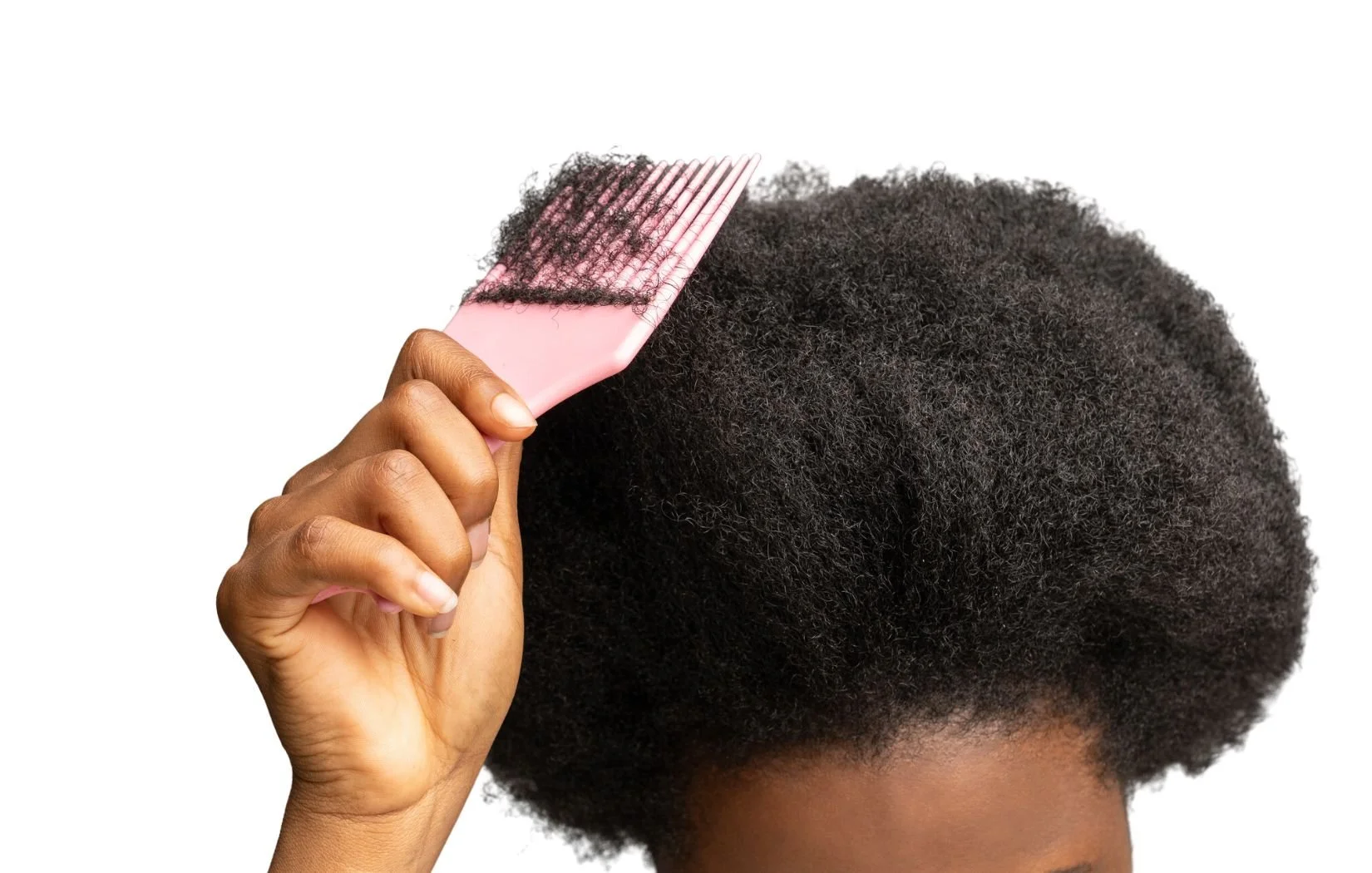
How to Choose the Best Oil Sheen for Your Hair
Does your natural hair sometimes feel a bit dry and fragile?
That’s because your beautiful curls and coils can make it tricky for your scalp’s natural oils to reach the length of your entire hair shaft.
An oil sheen hair spray can help by giving your hair a much-needed radiant glow in seconds.

Does your natural hair sometimes feel a bit dry and fragile?
That’s because your beautiful curls and coils can make it tricky for your scalp’s natural oils to reach the length of your entire hair shaft.
An oil sheen hair spray can help by giving your hair a much-needed radiant glow in seconds.
What is oil sheen?
Oil sheen is a lightweight spray that can give your hair instant shine and radiance. It’s like putting a finishing touch on your naturally styled hair.
Oil sheens also:
Protect your hair from the weather
Make your hair easier to comb and style
Keep your hair healthy
Enhance your hair’s natural curl pattern
The exact ingredients of an oil sheen product can vary from one brand to another, but here are some common elements:

JOJOBA OIL

ARGAN OIL

COCONUT OIL
Natural oils boost shine while also nourishing your hair:
Jojoba oil
Argan oil
Coconut oil
Silicones can give your hair a smooth finish. They help tame frizz and flyaways, making your hair look sleek and polished.
Fragrances: Because why wouldn’t you want your hair to smell heavenly? But if you’re sensitive to fragrances, you can opt for something fragrance-free.
Many oil sheens are enriched with vitamins like vitamin E. The benefits are:
Promotes hair growth
Suitable for an itchy, dry scalp
Repair damaged hair follicles
Protects hair from environmental damage, like pollution
See the “Vitamins in Oil Sheen” Chart for even more benefits.

You want a lustrous, natural shine, not oily, weighted-down hair. A good oil sheen should feel lightweight and not leave your hair feeling heavy or oily.
Remember to check the ingredients on the back of the bottle.
Find a hair product with the best ingredients and bang for your buck. Great oil sheen sprays are available that can give you shiny hair and a luxurious feel at a reasonable price.
Start by understanding your hair.
Understand Your HAIR’S Unique Needs
Each hair type has its unique characteristics, needs, and challenges.
Here are some important considerations for each hair texture and type:
STRAIGHT HAIR
Often, straight hair gets oily faster than other hair types. The natural hair oils from your scalp can easily travel down the length of the hair shaft when your hair is naturally straight.

(1) STRAIGHT HAIR - (2) WAVY HAIR - (3) CURLY HAIR - (4) COILED OR KINKY HAIR
Straight hair may lack volume at the roots, so using products that add lift may be beneficial.
When styling using heat, a protectant is vital to prevent heat damage for all hair types, especially when hair is naturally straight.
WAVY HAIR
Wavy hair can be prone to frizz, especially in humid conditions. So, use products like curl enhancers or mousses to help keep your waves defined.
To keep your hair moisturized without weighing it down, choose lightweight conditioners and oil sheens. Your hair will thank you with happy, bouncy waves!
CURLY HAIR
Curly hair tends to be drier than straight or wavy hair, so deep conditioners and hydrating products are essential.
Brushing curly hair when dry can lead to breakage and frizzy hair. It’s best to detangle curly hair when it’s wet and well-conditioned.
Because of the hair pattern, curly, coiled, or kinky hair can appear shorter than its actual length.
That’s shrinkage.
COILY OR KINKY HAIR
Kinky-Coily hair often craves hydration. Moisturize your hair with deep conditioning treatments, leave-in conditioners, and hot oil treatments to prevent dry, brittle hair.
Due to its fragile nature, it's essential to handle coiled hair gently, especially when detangling wet hair or styling dry hair.
You can opt for protective styles like braids, twists, or buns to prevent breakage and retain length.
Using hair oils can help seal in moisture and provide a protective barrier for your hair.
Remember, every coil and curl is unique. With the proper care, your coily crown will always shine bright!
FOR ALL HAIR TYPES…
Understand your unique needs. Even within these categories, there's a lot of variation. What works for one person might not work for another. Also, consider your personal preferences.
Avoid harsh chemicals. Limit exposure to harsh chemicals, sulfates, and excessive heat to maintain healthy hair.
Get regular trims. This helps prevent split ends and maintain the overall health and shape of your hair.
WHAT IS THE BEST OIL SHEEN FOR YOUR HAIR?
There are a lot of options when it comes to oil sheens and hair care products. So, how do you find the one that's just right for your unique hair needs?
Oil sheens are designed to make hair look shiny and feel good. But with so many choices, how do you pick the right one for your hair type?
Whether you're flaunting pin-straight strands, wavy vibes, bouncy curls, or magnificent coils, there are oil sheens tailored for all hair textures.

STRAIGHT HAIR
Straight hair can get oily quickly, so a light mist that adds shine without weighing it down is ideal.
Argan oil and jojoba oil are light and non-greasy and give that sleek, glossy finish for healthy-looking hair.
WAVY HAIR
Wavy hair needs balance. Coconut and almond oils provide hydration and shine without disrupting those beautiful waves. Plus, they help combat any frizz that might pop up!
CURLY HAIR
Curly hair craves moisture! Avocado oil and olive oil are a tad heavier, perfect for defining and shining those curls while keeping them bouncy and frizz-free.


KINKY (COILY) HAIR
Kinky hair, with its tight coils, needs deep nourishment. Castor oil and shea butter are rich and moisturizing, ensuring each coil shines and stays protected.
Ultimately, choosing the best hair oil is about understanding your hair needs. The right product can make your hair look great and keep it healthy. So, the next time you shop for hair products, you'll know what to look for. It's all about finding what works best for your unique hair.
HOW TO APPLY OIL SHEEN FOR BEST RESULTS
Start Fresh.
Begin with clean, freshly washed hair. This removes any old products that might stop the oil sheen from doing its job.
Shake It Up.
Give your oil sheen spray a good shake. This makes sure all the ingredients are mixed up and ready to work.
Hold and Spray.
Hold the bottle about 6-12 inches away from your hair. This helps spread the spray evenly.
Short Bursts.
Use short, controlled bursts as you spray. You want light, even coverage.
Focus on the Ends.
While you want that overall shine, give extra love to the ends of your hair. They're often the driest part and can benefit from the added moisture and shine.
Use Your Fingers.
After spraying, gently run your fingers or a wide-tooth comb through your hair. This helps distribute the product evenly and ensures every strand gets its share of the glow.
Less is More.
Remember, you can always add more if needed, but it's harder to remove. Start light; give it another spritz if your hair craves more shine.
Final Touch.
Once you're satisfied with the shine, style your hair as desired.
And there you have it! Follow these steps, and you'll have shiny, great-looking hair.
COMMON MISTAKES TO AVOID WHEN USING OIL SHEEN
Oil sheens can make your hair look and feel better. But, just like any other product, you must use them correctly.
There are some common mistakes people make with oil sheens. Knowing what they are lets you ensure your hair gets all the benefits and looks its best.
SOME COMMON MISTAKES
Overdoing It—Too much can make hair look greasy rather than glossy. A little often goes a long way.
Spraying Too Close—Holding the bottle too close can lead to uneven application and wet patches. Spraying from a distance is best for a misty, even application.
Ignoring the Roots—While the ends of the hair often need the most moisture, neglecting the roots can result in an uneven shine.
Applying to Dirty Hair—Using an oil sheen on hair due for a wash can lead to product buildup. Clean hair allows for better absorption and shine.
Not Spreading Evenly—After spraying, combing, or running fingers through the hair to ensure even distribution is essential.
Using the Wrong Product—Not all oil sheens are created equal. Some are formulated for specific hair types. Always check the label to ensure it's the right match for your hair.
Skipping Hair Assessment—Assess your hair's current state before applying. If it's already oily, you might want to use less product or skip it altogether.
Not Considering the Environment—Be cautious if you're in a humid or rainy environment. Too much oil sheen can make hair more susceptible to frizz.
Ignoring Hair's Feedback—If your hair feels too oily or weighed down after application, it might be a sign to use less product next time or to choose a lightweight formula, for example.
Your hair's condition can change due to different factors, like the weather or your diet. Adjust the amount of sheen you use based on how your hair feels.
Remember, using an oil sheen enhances the hair's natural beauty, not overpowering it. You can achieve a radiant, healthy shine by avoiding these common mistakes.
ESSENTIAL CARE FOR YOUR CURLS
Oil sheens do more than boost your hair's appearance; they provide essential care for your curls. They add a radiant shine and protect against everyday wear and tear. So, give them a try and watch your hair shine!
It's essential to note that while these tips are helpful, it's crucial to pay attention to what your hair tells you. Each person's hair is different, and knowing your hair type is critical to showcasing its natural charm!
FREQUENTLY ASKED QUESTIONS (FAQS)
How does oil sheen spray differ from other hair products?
Oil sheen spray is designed to add shine and moisture to the hair. Unlike hair sprays that hold a style or serums that might be heavier, oil sheens provide a lightweight shine and offer some protective benefits.
How often should I use an oil sheen spray?
This depends on your hair type and needs. Daily use is okay for added shine,
while some might use it once or twice a week. It's essential to watch how your hair responds and adjust your hair care routine accordingly.
Are there any potential side effects or allergic reactions associated with oil sheen sprays?
As with any product, it's possible for individuals to have allergic reactions to ingredients. It's always a good idea to do a patch test first and read the ingredient list to check for known allergens.
Can I use oil sheen sprays on colored or chemically treated hair?
Yes, but it's essential to choose a product that's safe for colored or treated hair to ensure it doesn't affect the color or treatment.
Can you use oil sheen on braids?
Braids can sometimes lead to dryness, especially if they're kept in for an extended period. An oil sheen spray can help lock in moisture, preventing the hair within the braids from becoming too dry. While the primary purpose of oil sheen is for the hair, it can also provide some relief to a dry or itchy scalp, which can sometimes be an issue with braided hairstyles.
How does oil sheen spray affect hair health in the long term?
When used appropriately, oil sheen sprays can enhance hair health by providing moisture and protection. However, overuse or using a product not suited for your hair type can lead to buildup or other issues.
Can you use oil sheen on relaxed hair?
You can use oil sheen on relaxed hair. It often requires additional moisture due to the chemical process it undergoes. Oil sheen can help provide that much-needed hydration, preventing dryness and brittleness.
Can I use oil sheen sprays in combination with other hair products?
Yes, but it's essential to layer products correctly. Typically, lighter products should be applied before heavier ones.
How do I store my oil sheen spray to ensure its longevity?
Store in a cool, dry place away from direct sunlight.
Can men use oil sheen sprays, and are there any formulated specifically for them?
Yes. Men can use oil sheen sprays. While most are unisex, some brands might offer products with scents or formulations geared towards men.
Is it safe to use oil sheen sprays on children's hair?
Yes, but it's essential to choose products formulated for children or those without harsh chemicals. Always monitor for any adverse reactions.
How does the price range vary for oil sheen sprays, and is more expensive always better?
Prices can vary widely based on brand, natural ingredients, and other factors. While higher-priced products might offer certain benefits, it doesn't always mean they're better. It's essential to find a product that suits your hair type and needs, regardless of price.
LEARN MORE

Milady Standard is a technical and creative book about natural styles, braiding, and grooming tips with step-by-step photos and detailed instructions.

Tender and empowering, Hair Love is an ode to loving your natural hair -- and a celebration of daddies and daughters everywhere.

Hair Story is an exploration of Black Americans' tangled hair roots. A chronological look at the culture and politics behind the ever-changing state of Black hair from 5th-century Africa to present-day United States.
SOURCES

How Do Sunlight and Melanin Affect Vitamin D?
What is the connection between sunlight, melanin, and vitamin D?
Melanin acts like a natural shield when you expose your skin to sunlight. It protects your skin by absorbing some of the sun’s rays, rays that are vital for the production of vitamin D.
This article explores the relationship between sunlight, melanin, and vitamin D and why they are essential to your health.

What is the connection between SUNLIGHT, melanin, and vitamin D?
Melanin acts like a natural shield when you expose your skin to sunlight. It protects your skin by absorbing some of the sun’s rays, rays that are vital for the production of vitamin D.
- What is Melanin?
- Types of Melanin
- How to Get Vitamin D from Sunlight
- The Melanin Effect on Vitamin D Production
- Sunlight, Skin Color, and Science
- Vitamin D, Melanin, and Your Health
- Melanin and Vitamin D Deficiency
- Blacks, Vitamin D, and COVID-19
- How Much Vitamin D Do You Need?
- Learn More About It
- Sources
Because melanin blocks UV (ultraviolet) rays, people with dark skin may not get enough sun to produce an adequate supply of vitamin D.
Lighter skin tones can absorb more sunlight, resulting in higher levels of vitamin D production. However, increased sun exposure also raises the risk of harmful UV radiation.
This article explores the relationship between sunlight, melanin, and vitamin D and why they are essential to your health.
What is Melanin?
Melanin is a natural pigment. It’s found in your skin, hair, and eyes, giving them color.
The amount and type of melanin in your body determine your skin, hair, and eye color—and their different shades from light to dark.

The skin has three main layers, each with a unique job.
The top layer, the epidermis, has two main cell types: keratinocytes and melanocytes.
Keratinocytes make up the surface of your skin. They’re like the skin’s protective shield. Deeper in the epidermis are melanocytes. These cells make a color pigment called melanin.
Inside melanocytes, there are tiny structures called melanosomes. This is where melanin is made.
The type and amount of melanin and the number of melanosomes decide a person’s skin color.
Melanosomes make melanin, but they need to move it to the keratinocytes. Once there, some melanosomes act like umbrellas, shielding the center of the cell.
Melanin is your skin’s natural sunscreen.
It catches harmful sun rays, called ultraviolet (UV) rays, to protect your skin’s DNA. Too much UV can injure your DNA and cause skin damage.
When you’re in the sun more, your skin makes more melanin to protect itself. This is why you might get a tan. But everyone’s skin is different. Some people tan easily, while others don’t. A lot of this is because of the genes handed down to you from your parents.
TYPES OF MELANIN
Humans have three types of melanin: eumelanin, pheomelanin, and neuromelanin.
Eumelanin
Produces dark colors in skin, hair, and eyes.
Imparts rich hues that range from deep brown to black.
The more eumelanin in the skin, the darker its tone.
Higher concentrations in hair and eyes produce dark black or brown shades.
Small quantities of eumelanin contribute to lighter colors like light brown or blonde.
Pheomelanin
Pheomelanin produces red and yellow colors in hair and freckles.
When combined with eumelanin, pheomelanin creates diverse shades, such as strawberry blond hair or auburn hair with a red tint.
Individuals with fair skin often have more pheomelanin than eumelanin, which gives them a lighter overall skin tone.

MELANIN COLOR CHART
Mixed Eumelanin and Pheomelanin
Many people have eumelanin and pheomelanin working together to create a mix of colors.
For example, hazel eyes occur when eumelanin and pheomelanin blend in your irises.
The combination of eumelanin and pheomelanin can contribute to diverse tones and subtle highlights.
Neuromelanin
Neuromelanin is a unique form of melanin found in specific regions of the brain.
It is not primarily involved with external appearances.
Neuromelanin functions within the brain to protect and regulate nerve cells.
As scientists study neuromelanin, what they learn could help prevent neurological disorders such as Parkinson’s.
How to get vitamin D from sunlight
Vitamin d Production
Sunlight contains a type of ultraviolet (UV) radiation called UVB rays.
When these UVB rays reach the skin, they interact with 7-dehydrocholesterol, which is present in the skin cells.
When UVB rays interact with 7-dehydrocholesterol, it undergoes a chemical reaction, converting it into a compound known as pre-vitamin D3.

To become active, pre-vitamin D3 needs further processing.
This occurs naturally in the body through the heat of the skin, converting pre-vitamin D3 into vitamin D3 (also known as cholecalciferol).
Vitamin D3 travels to the liver through the bloodstream. In the liver, it undergoes another transformation, becoming a substance called calcidiol or 25-hydroxyvitamin D.
Finally, in the kidneys, calcidiol is converted into its active form, known as calcitriol 0r 1,25-dihydroxy vitamin D.
This active form is what the body can use for its various functions.
The Melanin Effect on Vitamin D Production
Melanin levels can have an impact on the amount of vitamin D that is produced and makes its way into your bloodstream.
Melanin, being dark in color, absorbs and scatters UVB rays, offering protection.
With light-colored skin, a smaller amount of melanin protects against UVB rays, leaving other rays to reach the lower layers of the epidermis, where vitamin D is synthesized.

The more melanin you have, the darker your skin tone, as depicted in the following graphic. And a more significant amount of melanin means more rays are absorbed and scattered. It also means fewer rays reach the part of the epidermis where vitamin D is produced.

Vitamin D is a crucial nutrient and is essential for maintaining optimal health.
And if you have a higher amount of melanin (darker skin), you might have less vitamin D available for your body’s use.
Sunlight, skin color, And Science
HOW you GoT yOUr SKIN COLOR
When ultraviolet sunlight comes into contact with the skin, it affects each person differently. The time it takes for skin to react varies depending on its color. Some people with light skin tan very quickly, while others need more time for any change to show.
Why does skin have so many different shades? And how did this color variation come to be?
The story of skin is fascinating. It’s about human adaptability and resilience.
Melanin is at the center of the tale. It determines the color of your skin and hair, from the various shades of brown skin and hair that come from eumelanin to the red hair and freckles from pheomelanin.
However, human ancestors didn’t always have the range of skin tones we see today.
A critical change happened around 50,000 years ago when early humans migrated from Africa to Europe and Asia. These individuals lived in regions heavily exposed to the Sun’s UV rays, between the Equator and the Tropic of Capricorn. The prolonged UV exposure posed risks, including DNA damage and sunburns.
The story of skin reflects our biological differences.
The Science of Skin Color
Human ancestors adapted by relying on their skin's built-in defense mechanism: melanin.
When exposed to UVB radiation, the skin triggers melanin production, protecting cells from damage. Light-skinned people developed more melanin and tanned, while darker skin tones evolved. Humans adapted to the sun-saturated latitudes of Africa, while melanin levels provided better protection from skin damage.
However, as humans migrated northward, they encountered less direct sunlight.
This presented a challenge because UV light is essential for producing vitamin D, which is crucial for bone health. Dark skin blocks some sunlight, leading to vitamin D deficiency in regions with less sun.
Yet, some individuals produced less melanin and absorbed more UV light, benefiting from increased vitamin D production. Over generations, this contributed to the gradual lightening of skin tones in those areas.
The primary factor influencing skin color is the production and distribution of melanin.
As a result of these adaptations, the world today showcases a remarkable spectrum of skin colors. People closer to the Equator typically have darker skin that is rich in eumelanin, providing protection against UV radiation.
Meanwhile, those in regions with less sunlight have lighter skin with higher pheomelanin content. This complex relationship between biology, adaptation, and environment led to the diverse skin tones we see across the globe today.
As humans migrated and settled in different parts of the world, their skin adjusted to the local climate in order to optimize health and survival.
Sunshine and Skin Color
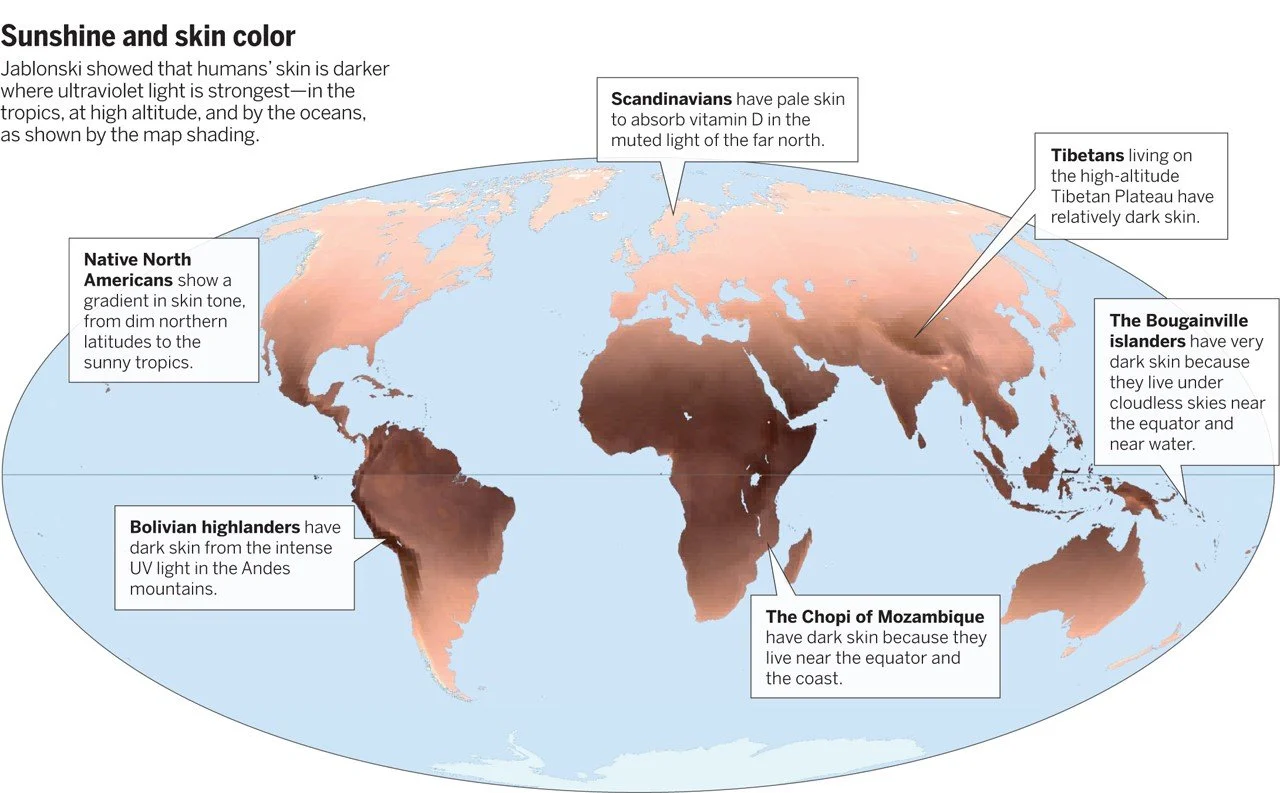
SOURCE: George Chaplin, Geographic Distribution of Environmental Factors Influencing Human Skin Coloration, American Journal of Pysical Anthropology 125:29-302, 2004; map updated in 2007. https://www.science.org/doi/10.1126/science.346.6212.934
In regions with intense sunlight and higher levels of UV radiation, people developed higher levels of melanin to protect their skin from the harmful effects of the sun.
Darker skin provides a better defense against UV rays, thus reducing the risk of sunburn, skin damage, and skin cancer.
This adaptation was especially beneficial for people living near the equator, where the sun is more direct and intense throughout the year.
Conversely, in regions with lower levels of UV radiation, such as higher latitudes or areas with more cloud cover, people developed lighter skin with lower melanin levels.
This adaptation allowed their skin to absorb more sunlight and produce adequate vitamin D even with less sunlight.
vitamin d, melanin, and your health
The relationship between melanin and vitamin D is crucial. Both are essential for maintaining good health and overall well-being.
Here’s why they’re essential.

BONE HEALTH
Vitamin D plays a vital role in calcium absorption, which is essential for maintaining strong, healthy bones.
Vitamin D helps regulate calcium and phosphorus levels in the body, promoting proper bone growth and development.
IMMUNE SYSTEM and DISEASE PREVENTION
Both melanin and vitamin D protect the body from infection and disease, helping to boost your immune system.
An adequate vitamin D level can lower the risk of chronic diseases like cancer, heart disease, diabetes, and autoimmune disorders.
Vitamin D also helps your muscles work well and regulates your hormones.
Like vitamin D, melanin also aids with disease prevention. Its antimicrobial properties help to protect against harmful bacteria and viruses.
Melanin is also involved in the body’s response to injury and inflammation. It helps to limit the damage caused by harmful substances and free radicals, reducing the risk of cellular damage and chronic diseases.

MENTAL HEALTH
Optimal vitamin D levels are associated with improved mood, reduced risk of depression, and enhanced brain health and cognitive performance.
SKIN AND EYE HEALTH
Melanin acts as a natural sunscreen, absorbing and dissipating harmful ultraviolet radiation from the sun.
This protection helps prevent sunburn and premature aging and reduces the risk of skin cancer.
Melanin’s natural defense against UV radiation also reduces the risk of eye problems such as cataracts.
The benefits of melanin and vitamin D are many. But what happens when melanin and vitamin D are deficient?
Melanin and Vitamin D Deficiency
WHAT Conditions Are Linked to Melanin Deficiency?
Melanin deficiency can contribute to various conditions. The severity of these disorders and how they present can vary.
Albinism: A genetic disorder characterized by the absence or low production of melanin. It can lead to very light skin, hair, and eyes, increased sensitivity to sunlight, and an elevated risk of skin damage and skin cancer.
Vitiligo: An autoimmune disorder that causes depigmentation or loss of melanin in patches of skin, resulting in white or light-colored areas. It can affect any part of the body.
Hypopigmentation: Various conditions can arise from injuries, infections, or certain medical conditions and can result in lighter patches of skin due to reduced melanin production.
Ocular Albinism: Primarily affects the eyes, resulting in reduced visual acuity, light sensitivity, and eye coordination issues.
Increased Skin Cancer Risk: Individuals with lower melanin levels are at a higher risk of developing skin cancer due to reduced natural protection against UV radiation.
WHAT Conditions Are Linked to Vitamin D Deficiency?

Schizophrenia & Depression
Asthma & Respiratory Infections
Heart Disease
Diabetes
Muscle Weakness
Osteoporosis
Rickets
Other conditions or diseases are linked to low vitamin D levels, though the exact reasons are still being researched:
Dementia
Erectile Dysfunction
Prostate Cancer
Mood Disorders
Skin and Hair Changes
Vitamin D testing and African-Americans
The type of vitamin D, known as 25-hydroxyvitamin D, is tightly bound to a protein. This means that it can't be used by essential cells like those in your bones and immune system.
To become useful, your kidneys must change 25-hydroxyvitamin D into a different form known as 1,25-dihydroxyvitamin D.
For White people, the levels of 25-hydroxyvitamin D in the blood usually give a good idea of how much usable vitamin D they have.
But this isn't true for Black Americans.
Dr. Thadhani says that African Americans have only about 25% to 33% of the protein that binds to this form of vitamin D compared to White people.
Because of this, the usual blood test for 25-hydroxyvitamin D doesn't give an accurate picture of African American vitamin D levels.
His studies show that even with these lower protein levels, African Americans still have enough vitamin D that their bodies can actually use.
This is why Black Americans generally have strong bones, even though the standard blood tests would suggest they shouldn't.

Dr. Thadhani recommends that doctors do extra tests, like checking the calcium levels in the blood and testing bone strength, when treating African American patients.
Currently, there's no approved test for measuring the usable form of vitamin D, known as 1,25-dihydroxyvitamin D. However, Thadhani and his team are developing such a test and have submitted a patent application for it.
BLACKS, Vitamin D, AND COVID-19
Besides bone health, vitamin D also improves your immune system to help fight off disease.
Although Black Americans generally seem to have good bone health despite low vitamin D levels, higher amounts appear to be needed to boost the immune system, especially for such diseases as COVID-19.
According to David Meltzer, chief of hospital medicine at the University of Chicago Medicine and lead author of the study, there are indications that vitamin D can enhance the immune response and reduce inflammation. However, the results so far aren’t totally clear.
There’s a lot of disagreement over what the ideal Vitamin D level is.

The normal range of 25-hydroxy vitamin D is measured as nanograms per milliliter (ng/mL). Many experts recommend a level between 20 and 40 ng/mL. Others recommend a level between 30 and 50 ng/mL. (*)
Past research may have used too low doses of vitamin D to see a significant immune boost, even though those doses were good for bone health.
Meltzer's findings showed that Black individuals with lower vitamin D levels had a much higher risk of getting COVID-19, with those at the lowest levels being 164% more likely to test positive. However, this wasn't the case for White individuals.
The study suggests that having vitamin D levels above 40 ng/mL might reduce the risk of COVID-19, especially for Black people.
HOW MUCH Vitamin D DO YOU NEED?
You make a lot of vitamin D you need from sunlight. Exposure to your arms and legs for 10-15 minutes just a few times a week may be enough for you.
Getting the right amount of sun for you individually isn’t always easy. The season, time of day, where you live, clouds, pollution, and other factors can affect how much sun you get.
Older people don’t make as much as younger folks. Also, those with darker skin usually have less vitamin D than people with lighter skin.

Darker skin protects from sunburn, but produces Vitamin D more slowly.
What if you don't get enough sun? Can't you eat foods that are loaded with vitamin D?
There aren't many foods that naturally have a lot of vitamin D3.
The best sources are fatty fish like salmon and fish liver oils. You can also find smaller amounts of vitamin D3 in foods like egg yolks, cheese, and beef liver.
Some mushrooms have a bit of vitamin D2, and certain mushrooms you can buy in stores have more D2 because they're purposely exposed to intense ultraviolet light.
Additionally, dairy products, cereals, and orange juice have extra vitamin D added. This increases their nutritional value.

Not many foods are rich in vitamin D.
And if you have certain health conditions like Crohn's or celiac disease and liver or kidney problems, your body might have trouble using the vitamin D you get from food.
VITAMIN D DAILY RECOMMENDATIONS
The National Institutes of Health (NIH) has some suggestions for how much vitamin D we should get each day, depending on our age.

Vitamin D, although a hormone, is called the sunshine vitamin. An adequate supply of it is crucial for maintaining strong bones and healthy bodies.
If you are not getting enough vitamin D from sunlight and your food, your physician may want you to consider taking supplements.
For babies (0-12 months old), the NIH recommends 400-1,000 IU of vitamin D daily, about 10-25 micrograms. From one year old through teen years, aim for 600-1,000 IU, or 15-25 micrograms daily.
The recommendation for adults (19-70 years old) is 600-800 IU (15-20 micrograms) daily.
But if you're a senior (71 years and older), 800-1,000 IU (20-25 micrograms) is advised.
Pregnant or breastfeeding moms should also follow these guidelines, with a daily goal of 600-800 IU or 15-20 micrograms.
These recommendations help ensure you stay healthy, inside and out!
Discovering the right amount of sunlight and finding other ways to get vitamin D can lead to better health and boost your immune system.
Melanin gives skin its diverse and vibrant colors, which can sometimes block your skin from getting enough vitamin D from the sun.
If you are uncertain of your vitamin needs, the best thing you can do is talk to your doctor or healthcare provider.
Your health is essential, so don’t hesitate to have that conversation!
They will consider your health, lifestyle, and special needs and advise you on your supplement requirements. Working together, you can make intelligent choices that keep you healthy and feeling your best!
And remember, melanin isn’t only about how you look. It’s about culture. It reflects your rich history and background.
So, embrace and celebrate your unique skin colors and features because they show how wonderfully diverse we are.
LEARN MORE ABOUT IT


UV-FREE NATURAL LIGHT THERAPY


8 Powerful Immunity Ingredients
SOURCES
“Vitamin D Metabolism < Clinical Reference - MSK.” Home < Clinical Reference - MSK.
“Immunologic Effects of Vitamin D on Human Health and Disease - PMC.” PubMed Central (PMC).
Professional, Cleveland Clinic. “Melanin: What Is It, Types & Benefits.” Cleveland Clinic.
Sally, Ananya Mandal, MDReviewed. “What Is Melanin?” News-Medical.Net, News-Medical, 20 Nov. 2011.
“Vitamin D - Consumer.” Office of Dietary Supplements (ODS).
“The Difference Between UVA, UVB, and UVC Rays.” UPMC Health Beat, 25 Apr. 2022.
“UV Rays: Types of Ultraviolet Rays; UVA, UVB, UVC, and Cancer.” City of Hope, 5AD.
“Vitamin D Metabolism < Clinical Reference - MSK.” Home < Clinical Reference - MSK.
“Time for More Vitamin D - Harvard Health.” Harvard Health, 1 Sept. 2008.

How to Test Your Blood Sugar (and Why)
Testing your blood sugar involves certain steps. That is the “how-to”.
But knowing how to do something, doesn’t mean that you’ll take the time to do it or that you’ll realize the importance of the task. Especially if that something makes you uncomfortable.
So before we get to the HOW of glucose testing, let’s discuss the WHY.
After that, we’ll look at the equipment you’ll need and we’ll go step-by-step through the blood sugar testing routine.

Testing your blood sugar involves certain steps. That is the “how-to”.
But knowing how to do something, doesn’t mean that you’ll take the time to do it or that you’ll realize the importance of the task. Especially if that something makes you uncomfortable.
So before we get to the HOW of glucose testing, let’s discuss the WHY.
After that we’ll look at the equipment you’ll need and we’ll go step-by-step through the blood sugar testing routine.
Direction and Focus
Diabetes. Work. Home. Family. Other commitments.
A whirlwind of activities.
There is so much going on in your life right now that checking your blood sugar may be one more thing you are trying to squeeze into your crazy schedule.
But testing your blood sugar will keep you focused on what’s important: Living a healthy life.
According to the Centers for Disease Control and Prevention:
African American adults are 60 percent more likely than non-Hispanic white adults to have been diagnosed with diabetes by a physician.
In 2017, African Americans were twice as likely as non-Hispanic whites to die from diabetes.
African Americans are also 2 to 3 times more likely to be diagnosed with end-stage kidney disease and more likely to be hospitalized for lower limb amputations.
So keeping your blood sugar in check will improve your likelihood of living your best life.
But you won’t know if your blood sugar is in control unless you monitor it.
Testing your blood sugar will give you direction.
Maybe you’ve already made lots of changes to your daily routine. Maybe you’ve changed what you eat. Maybe you’ve added oral diabetes medication or insulin. Maybe you’ve added some healthy, low-impact exercises.
All of those things affect your blood sugar. Is it in a healthy range? Or is it too high? Too low?
You won’t know if you’re not testing regularly.
Perhaps you’re sticking to your meal plan as best you can, but your sugar levels still aren’t under control.
Don’t wait until your next office visit with your doctor or dietitian to find out that your blood sugar is sky-high.
If you test regularly, you’ll have a better indicator of your control.
The changes you’ve made — are they working? Testing will give you room to be proactive.
If things are heading in the wrong direction and your blood sugar sinks too low or rises too high, you’ll know sooner rather than later. And you can act quickly to make necessary changes.
Monitor your blood sugar every day. Write down your results.
Then take your log sheet or notebook or app with you when you visit your doctor, dietitian or diabetes educator.
Together as you review your blood sugar results and compare them to your foods, medication, exercise and other lifestyle factors, you’ll be better able to fine-tune your plan for success.
Because your readings can change based on the time of day and when you ate your last meal as well as what you ate, your log should include the time of day when you tested.
So be consistent, and test at the same time every day. For example, if you’re testing before breakfast and after meals, try to keep your meal times consistent.
Now that you know the WHY of testing and its importance, it’s time to gather the necessary equipment.
Glucose Monitoring Kit
You’ll need a glucose monitoring kit also called a glucometer kit. Your health care provider may provide you with a free kit or may give you a prescription to take to your local pharmacy where your insurance may cover your monitor at low or no cost to you.
Kits usually contain lancets, a lancing device and test strips.
You can call your insurance carrier and find out if they will cover the cost of a glucose monitor. Make a note of the brands they will cover. Also ask if they will pay for supplies such as test strips, lancets, control solution and alcohol wipes–because you’ll need those items on a regular bases.
Once you have the glucose monitor, the biggest expense will be the test strips which normally cost between $10 and $60 per box of 50 test strips depending on the brand, so take that into consideration when choosing a monitor.
You can purchase diabetes supplies without a prescription from your local pharmacy or online, but if your insurance will cover the cost, you’ll need a doctor’s prescription.
WHAT TO LOOK FOR IN A MONITOR

There are many monitors to choose from. Compare the available features, and note which features are most important to you.
ACCURACY
Manufacturers of glucose monitors follow strict guidelines and are overseen by the Food and Drug Administration (FDA) but those standards still leave room for errors that could fall within 15-20% above or below the true value.
But the readings you get even if not 100% accurate are usually within a range close enough to help you decide on a plan of action.
A reading that’s a little high for someone not on insulin may mean doing exercise immediately to lower blood sugar. But a pattern of highs at the same time each day may indicate the need to make changes in medication, food, and/or exercise.
Monitors can also fall victim to human error.
Things you can do to improve meter accuracy.
Wash your hands before testing.
Avoid putting on lotion right before testing.
Be sure the testing site is not damp from rubbing alcohol.
Calibrate your meter based on the manufacturer’s guidelines.
Drink enough fluids. Dehydration can interfere with proper readings.
Store your test strips properly.
Do not use test strips that are past the expiration date.
Food, drink or lotion residue left on your hands can affect your blood glucose reading, so be sure to wash and dry your hands before you test. If you use an alcohol swab, be sure to let the site dry completely before testing.
ENVIRONMENT
Altitude, humidity, and room temperature can all affect your glucose results by affecting your body or the strips you use. Some meters will come with instructions on how to get proper readings in those particular situations.
PRICE
The price of a meter escalates based on the features.
A basic, no-frills meter can cost around $10. Meters that can plug into your computer or smartphone or that have rechargeable batteries may cost $75 or more.
The most pricey part of testing is the test strips. You’ll need a new strip each time you test. And test strips must be compatible with the meter. So before you buy the meter, find out how much a box of its test strips will cost you.
MEMORY
How many test results can the meter hold? Do you want to be able to refer back to your readings a week later? A month later?
Some meters can hold up to 500 test results and can also give you weekly and monthly averages.
METER SIZE
Meters come in many shapes and sizes to fit your preferences. Do you want larger numbers to make it easier for you to see the results? Do you want a small meter that fits easily in your hand? It’s your choice.
SPEED OF RESULTS
If you’ll be testing many times during the day, you may want a meter that will give you results in 5 seconds or less.
SIZE OF BLOOD DROP NEEDED
Meters need a specific amount of blood (measured in microliters) in order to work properly and give you an accurate reading.
OTHER AVAILABLE FEATURES
Audio Capability
Backlighting
Wireless Bluetooth Capability
HOW TO TEST
Overview
Wash your hands with warm, soapy water. Dry your hands before testing.
Prepare your lancing device.
Remove a test strip from the container. Close the lid tightly to keep the remaining strips protected.
Insert the test strip into the meter.
Prick the the side of your finger tip with your lancet device. Then squeeze your finger a bit.
Gently touch the test strip against the drop of blood until enough blood has been drawn into the strip.
Your reading will appear on your monitor.
Using a cotton ball, apply a bit of pressure to your finger. Bandage, optional.
Properly discard your test strip and lancet. (Sharps container or an empty detergent bottle or empty coffee can will do.)
Record your reading using a written log or save it to your meter’s memory if it has the capability.
Demonstration
Watch this short video demonstration sponsored by WebMD.
If you’re looking for a glucose monitoring kit, there are many kits available and you can read their customer product reviews on Amazon and compare their customer star ratings. Here are two glucometers available on Amazon:
Bayer Contour NEXT EZ Blood Glucose Monitoring Kit
Easy to use, no coding required
Results in as little as 5 seconds
Kit includes: Contour Next EZ Meter, 50 test strips, 100 lancets, lancing device, alcohol pads, control solution, instructions/owner’s manual, logbook and carrying case
FreeStyle Lite Blood Glucose Monitoring System
Convenient, no coding required
Fast, 5-second average test time
Small sample size 0.3 microliter
Small meter size to use on the go
Stores up to 400 results with date and time
Kit includes: FreeStyle meter, lancing device, carrying case, 10 lancets, 10 test strips, control solution, and owner’s booklet
If you don’t have a glucose monitor, get one today. If you do have a monitor and haven’t used it yet, then use it now.
And use it regularly. Know your numbers and share them with your doctor.
Here’s to you staying healthy and living your best life.

5 Tips to Keep Your Gorgeous Skin Looking Good and Feeling Good All Winter Long
Protect Your Skin
Going outdoors? Follow your grandmother’s advice and cover-up! Cold outdoor temperatures can dry out your skin, especially your hands. So don’t forget your gloves and mittens.

Protect Your Skin
Going outdoors? Follow your grandmother’s advice and cover up! Cold outdoor temperatures can dry out your skin, especially your hands. So don’t forget your gloves and mittens.
Avoid Harsh Soaps
Harsh chemical-filled soaps can remove precious oils from your skin.
Stick with a beauty bar or a natural soap with moisturizers like Shea butter, glycerin or olive oil.
Shea butter contains vitamins A, E, and F that nourish your skin and fatty acids that balance the oils and reduce dryness.
Glycerin draws moisture from the air and traps it in the upper layers of your skin, keeping it hydrated.
Olive oil, rich in vitamins A, D, E, and K, moisturizes and hydrates your skin. (Use cautiously on infants or if you have sensitive skin or a family history of eczema.)
Warm Not Hot
A long hot bath or shower might feel great, but during the winter, warm is better for your skin.
And keep it short. No more than 10 minutes.
Moisturize, Moisturize
At least twice a day, and especially after a shower or bath or even hand washing, apply a thick moisturizing cream or ointment.
Moisturizing keeps water in your skin and helps keep natural oils from escaping.
But avoid moisturizers heavy on fragrance and additives that can irritate your skin.
Seek Professional Advice
Forget to moisturize, and a little bit of ashy-ness can turn into seriously dry skin. If that happens, try over-the-counter hydrocortisone.
Apply hydrocortisone to affected skin usually up to 4 times daily.
Avoid using it on the face or underarms.
Do not use it on children under two years old.
Follow package instructions.
If over-the-counter hydrocortisone doesn’t bring the smooth & silky back, then seek professional advice.
You Look Good!
Remember these tips to help keep your beautiful skin smooth and soft throughout the cold winter months and all year round.