
Your Custom Text Here

17 African American Poets and the Power of Words
Poetry has long been a vital part of African American culture.
It serves as a way to express the complex emotions and experiences that come with living in the United States as a Black person.
For many African Americans, poetry serves as a form of storytelling that captures the rich history and struggles of Black people in America.

Poetry has long been a vital part of African American culture.
It serves as a way to express the complex emotions and experiences that come with living in the United States as a Black person.
For many African Americans, poetry serves as a form of storytelling that captures the rich history and struggles of Black people in America.
Through the power of words, African American poets have shared their stories and inspired others to take action, reflect on social issues, and seek change.
Poetry has long been a medium for African American poets to reclaim their voices, resist oppression, and celebrate their heritage.
(1) Early African American Poets
The history of African American poetry dates back to the 18th century, with poets like Phillis Wheatley and Jupiter Hammon paving the way for future generations of Black writers.
Phillis Wheatley
Phillis Wheatley, an enslaved African American woman, became one of the first published Black poets in the United States.
While much of her work is religious, Wheatley subtly addressed themes of freedom and the injustices of slavery.
In poems such as "To the Right Honourable William, Earl of Dartmouth," her words convey a more personal reflection on liberty, a poignant topic given her status.
Her references to freedom in this context serve as a diplomatic assertion of her thoughts on liberty and justice.

PHILLIS WHEATLEY — PHOTO: LIBRARY OF CONGRESS
Wheatley also penned several poems dedicated to various figures of the American and British elite, often using these writings to gain favor and perhaps more personal freedom.
Her poem "To His Excellency General Washington" exemplifies this, where she praises George Washington, hoping to influence him and others in power to consider the moral and ethical necessity of freedom for all.
Wheatley's success as a poet opened doors for other African Americans to pursue writing and creative expression.
Jupiter Hammon
Jupiter Hammon, another early African American poet, was also enslaved, yet he found a way to write and publish his works.
Hammon’s poetry often reflected his religious beliefs and the struggle for spiritual and physical freedom.
These early poets were instrumental in demonstrating the capability and talent of African Americans despite the constraints imposed by slavery and discrimination.
The contributions of these early poets laid the groundwork for future generations of African American writers.
They showed that poetry could be a powerful tool for expressing the African American experience, raising awareness of social issues, and inspiring others to take action.
As trailblazers, Wheatley and Hammon influenced the path of African American poetry and challenged the broader societal perceptions of Black people in the United States.

(2) THE Harlem Renaissance
The Harlem Renaissance was a cultural and artistic explosion that took place in the 1920s in New York, particularly in the Harlem neighborhood.
This period marked a significant shift in how African American culture was viewed and celebrated in the United States.
The Harlem Renaissance was a response to the Great Migration.
Many African Americans moved from the rural South to urban areas in the North, seeking better opportunities and escaping racial violence.
As Harlem became a hub for African American culture, it fostered an environment where poets, musicians, artists, and writers could collaborate and express themselves freely.
How Did the Harlem Renaissance Reshape Poetry?
The Harlem Renaissance reshaped African American poetry by providing a platform for Black poets to share their experiences, explore their identities, and address social issues.
The movement allowed African American poets the freedom to experiment with new styles and themes.
It allowed them to create works that reflected the diversity of their experiences as Blacks in America.
This era also saw the rise of African American poetry collections and publications.
The HARLEM RENAISSANCE LEGACY
The Harlem Renaissance introduced the world to a new generation of African American poets, including Langston Hughes and Countee Cullen.
Langston Hughes, often referred to as the "Poet Laureate of Harlem," was known for his vibrant and accessible poetry that captured the essence of Black life in America.
Hughes's poems, like "The Negro Speaks of Rivers," explored themes of Black identity, history, and resilience.
In this poem, Hughes traces the movement of a timeless river, comparing it with the flow and depth of African American history and spirit.
Hughes also used his poetry to advocate for social justice and challenge racial discrimination.

LANGSTON HUGHES — PHOTO: WIKICOMMON
Countee Cullen, another prominent poet of the Harlem Renaissance, was known for his classical approach to poetry and his exploration of themes related to Black identity and race relations.
Cullen's work, such as "Yet Do I Marvel," questioned the struggles of Black people in a predominantly white society and addressed issues of faith and justice.

COUNTEE CULLEN, PHOTO: CREATIVE COMMONS

These poets, along with others like Claude McKay and Zora Neale Hurston, played a crucial role in defining the Harlem Renaissance and shaping the direction of African American poetry.
Claude McKay was born in Jamaica and moved to the United States in 1912. He became an important figure in the Harlem Renaissance. He used the formal structure of the sonnet to address social issues like justice and equality.
McKay called for dignity and defiance against oppression.

CLAUDE MCKAY, PHOTO: CREATIVE COMMONS
His poem "If We Must Die" was written during a wave of racial violence and became a symbol of resistance. In his poem "America," McKay explores his uncertain feelings toward the United States, combining admiration for its ideals with an examination of its racial injustices.
His poignant imagery and detailed structure express both love and critique, reflecting the dual experience of African Americans.
McKay's contributions were pivotal in shaping the Harlem Renaissance and influencing future African American writers.
Zora Neale Hurston
Zora Neale Hurston, known for her novels and anthropological work, also explored poetry, infusing her poems with the rich vernacular and cultural insights in her famous work "Their Eyes Were Watching God."
Her poetry reflects racial identity, gender roles, and African American life in the early 20th century, drawing from her fieldwork in the American South and the Caribbean.
Her poetic work uses dialect and folklore to celebrate African American cultural heritage while capturing its oral traditions.

ZORA NEALE HURSTON, PHOTO: CREATIVE COMMONS
THE LASTING IMPACT OF THE HARLEM RENAISSANCE
The Harlem Renaissance influenced future generations of poets and writers.
The movement demonstrated the power of words in shaping cultural identity and advocating for social change. The themes and styles established during the Harlem Renaissance continued to resonate with African American poets in the following decades.
(3) Poetry, Social Justice and Civil Rights
The legacy of the Harlem Renaissance is evident in the works of modern African American poets like Maya Angelou, Gwendolyn Brooks, and Amiri Baraka (formerly known as LeRoi Jones), who drew inspiration from the movement's emphasis on Black identity and social justice.
The movement's enduring influence is a reminder of the power of poetry to bring people together, spark conversations, and challenge societal norms.
Poetry During the Civil Rights Movement
The timeline of the Civil Rights Movement was roughly from the mid-1950s to the late 1960s, although some extend this period to the early 1970s to include later civil rights legislation and actions.
During this period, African American poets significantly advocated for social justice and challenged racial inequality.
Poetry became a powerful tool for expressing the struggle for civil rights and inspiring others to take action. Poets like Maya Angelou and Amiri Baraka used their words to support the movement, creating works that resonated with the experiences of Black people in the United States.
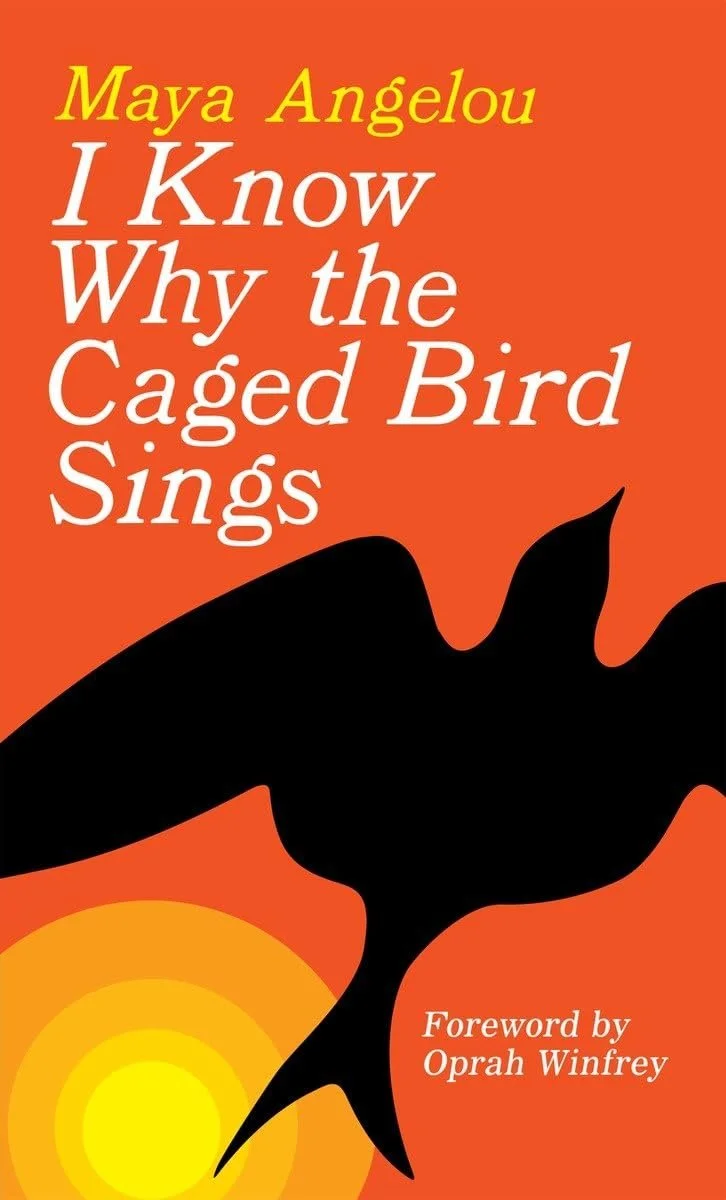
Maya Angelou became a voice of strength during the Civil Rights Movement.
Her autobiography, "I Know Why the Caged Bird Sings," highlighted the struggles of Black women and the importance of personal freedom and self-expression.
Her poetry, particularly "And Still I Rise," symbolized the determination of African Americans to overcome oppression and discrimination.
Angelou's powerful imagery and rhythmic language inspired countless individuals to stand up for their rights.

MAYA ANGELOU, PHOTO: CREATIVE COMMONS
In 1950, Gwendolyn Brooks became the first African American woman to win the Pulitzer Prize. She was deeply involved in the struggle for civil rights. Her poetry often reflected the realities faced by African Americans in their daily lives, capturing the essence of Black communities and their challenges.
Brooks's work, such as "We Real Cool," focused on the experiences of Black youth and addressed themes of identity and social issues.
Her poetry highlighted the struggles of African American communities, revealing the impact of systemic racism and inequality.
Brooks's commitment to social justice extended beyond her poetry. She supported civil rights organizations and encouraged young African American writers to use their voices for change.

PHOTO: LIBRARY OF CONGRESS, GWENDOLYN BROOKS, U.S. CONSULTANT IN POETRY, 1985-1986
Brooks's recognition paved the way for society to acknowledge other African American poets for their talent and contributions to the literary world.
Poets during the Black arts movement
The Black Arts Movement occurred from the mid-1960s to the mid-1970s.
This movement was an artistic branch of the Black Power movement and focused on creating art that spoke to the experiences and needs of African Americans.
These artists produced politically engaged, culturally assertive poetry, drama, music, and visual arts that explored and affirmed black identity and challenged racial stereotypes.
Key figures were Amiri Baraka, Sonia Sanchez, and Nikki Giovanni.
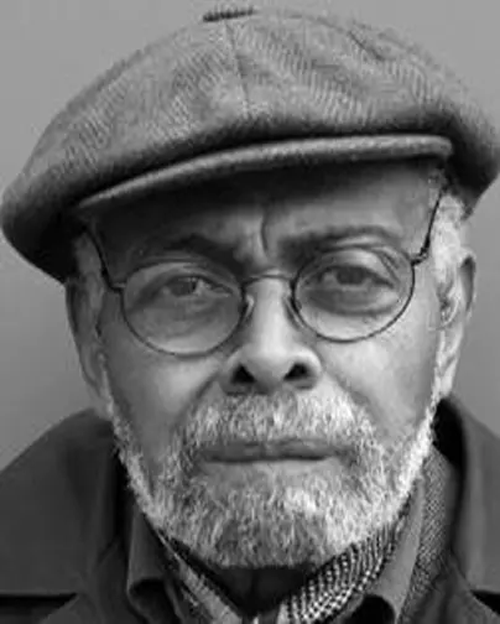
AMIRI BARAKA, PHOTO: CREATIVE COMMONS
Amiri Baraka was known for his revolutionary and politically charged poetry.
He was a vocal critic of racial injustice and used his works to challenge the status quo. Baraka's poem "Black Art" became an anthem for the Black Arts Movement, emphasizing the need for art to be a tool for social change.
His fierce words and uncompromising style inspired many activists and poets to use their voices for political advocacy.
Sonia Sanchez used her poetry to confront and address racial and gender injustices.
Her work blends traditional poetic forms with the rhythms of jazz and Black vernacular, powerfully expressing the urgencies of social and political issues of her time.
Sanchez's poetry often emphasizes the importance of community and the power of voice, making her one of the period's most compelling and vocal poets.
Her influential works continue to resonate in discussions about civil rights and African American literature.

SONIA SANCHEZ, PHOTO: CREATIVE COMMONS
Nikki Giovanni's work often addressed social justice and the need for racial equality. Born in 1943, she emerged as a strong voice during the Black Arts Movement in the 1960s and 1970s.
Her work is known for its accessible and engaging style, focusing on racial pride, individuality, and the power of the collective community. She used a bold, direct style in her engagement with social issues.
Giovanni's poetry also explores family, gender, and the fight for civil rights, connecting deeply with a broad audience.

NIKKI GIOVANNI, PHOTO: CREATIVE COMMONS
By using their words to advocate for social justice and equality, these poets helped shape the narrative of the movement and inspire generations of activists and poets to come.
Their contributions continue to resonate, reminding us of the power of poetry.
(4) Modern African American Poets
Contemporary Poets and Their Contributions
Modern African American poets have continued to push boundaries, bringing fresh perspectives and unique styles to the world of poetry.
Poets like Amanda Gorman and Danez Smith have gained widespread recognition for their work, each with a distinctive voice and approach to poetry.
Amanda Gorman, the youngest inaugural poet in U.S. history, gained national attention for her powerful poem "The Hill We Climb," delivered at President Joe Biden's inauguration in 2021. She was 22 years old.

AMANDA GORMA (PHOTO: CREATIVE COMMONS)
At the age of 16, Gorman was named L.A. Youth Poet Laureate, and she became the first National Youth Poet Laureate in 2017.
Gorman's poetry combines a sense of hope with a call for unity and social change, resonating with audiences across the country.
Her work addresses themes like democracy, racial justice, and the power of community, making her a prominent voice among modern African American poets.
Danez Smith is another contemporary poet known for a bold and honest approach to poetry. Smith explores themes related to identity, race, and sexuality.
Smith’s work, including the collection “Don’t Call Us Dead,” delves into the experiences of Black people, particularly the impact of violence and systemic racism.
Smith’s poetry often challenges traditional norms and gives voice to marginalized communities, emphasizing the need for social justice and equality.

DANEZ SMITH (PHOTO: CREATIVE COMMONS)
Diversity in African American Poetry
Modern African American poetry covers a wide range of topics, reflecting diverse experiences and perspectives.
Contemporary poets explore themes like identity, race, gender, sexuality, social justice, and mental health.
This diversity in subject matter allows them to connect with a broader audience and share stories that might otherwise go untold.
Poets like Mahogany L. Browne and Jericho Brown represent this diversity in contemporary African American poetry.


Mahogany L. Browne, contemporary poet, writer, and activist, is renowned for her compelling spoken word performances and poignant literary works that address social justice, feminism, and the experiences of Black women.
Her poetry is celebrated for its powerful narrative and visceral engagement with themes of empowerment and resilience.
Browne has been recognized with several honors, including being named the Executive Director of JustMedia, a media literacy initiative designed to support the groundwork of criminal justice leaders and storytellers.
She is also the author of several books, including "Black Girl Magic," "Woke Baby," and "Chlorine Sky."
Jericho Brown, a Pulitzer Prize-winning poet, explores themes of sexuality and race.
His work often combines personal experience with more significant social issues. Brown's collection "The Tradition" won the 2020 Pulitzer Prize for Poetry. His work showcases his ability to craft deeply personal and universally resonant verse.
He has also received fellowships from the Guggenheim Foundation and the National Endowment for the Arts.
The wide range of topics covered by modern African American poets demonstrates their ability to give voice to various experiences.
This diversity enriches the field of poetry and allows readers to gain a deeper understanding of the complexities of African American life.
Contemporary poets continue to challenge societal norms and advocate for change through their work.
Recognition and Awards
In addition to Gwendolyn Brooks and Jericho Brown, other modern African American poets have received significant recognition and accolades for their contributions to poetry.
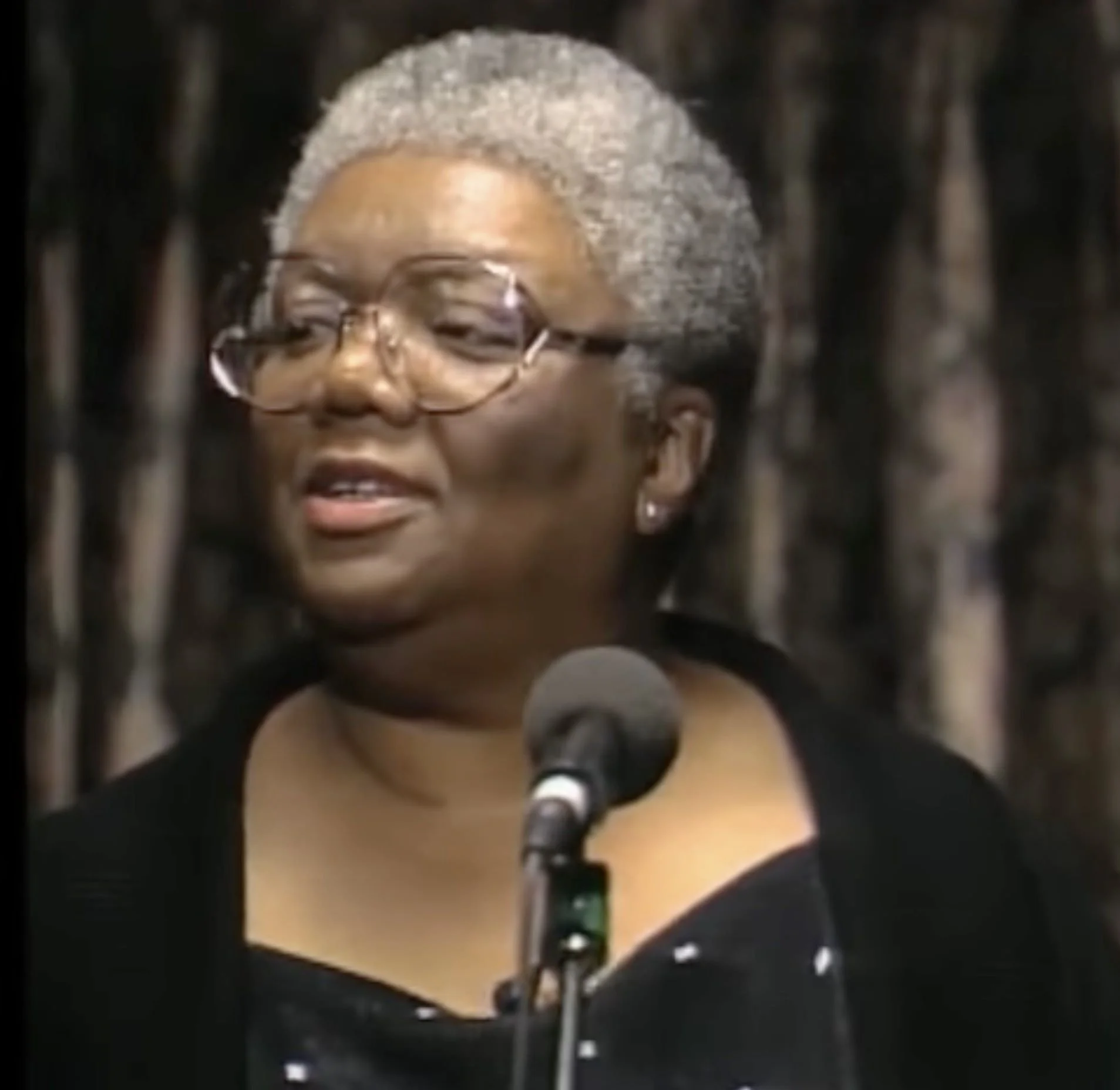
Lucille Clifton received numerous awards, including the Pulitzer Prize nomination and the National Book Award.
Her work spans from the 1960s until her death in 2010, and she is celebrated for her succinct, powerful poems that delve into themes of family, gender, and race.
Clifton's poems often draw from her experiences, exploring Black women's strength and their communities.
Her distinctive, minimalistic style—often foregoing conventional punctuation and capitalization—lends her verse a raw, emphatic tone.
Clifton's ability to express complex emotions and societal issues with profound simplicity has made her an enduring voice in American poetry.
A prominent contemporary poet, Terrance Hayes is known for his innovative use of language and explorations of identity, race, and society. His work often employs a variety of forms, including sonnets and free verse, to probe the nuances of African American experiences.

Hayes' poetry is marked by its lyrical intensity and playful yet serious examination of personal and cultural complexities.
Winner of the National Book Award for his 2010 collection "Lighthead," Hayes continues to influence the landscape of modern American poetry with his insightful and inventive compositions.
The importance of recognizing African American poets and their achievements lies in acknowledging their significant impact on American literature and culture.
Awards and accolades honor individual poets and celebrate the broader African American community's creativity and resilience.
By recognizing these poets, we can ensure that their voices continue to inspire and resonate with readers for generations to come.
(5) Enduring Significance of African American Poets
African American poets have played a crucial role in shaping American society.
Their poetry captures the rich tapestry of the African American experience, from the struggles of slavery and racial discrimination to the triumphs of resilience and empowerment.
The enduring significance of African American poets lies in their ability to resonate across generations.
Whether through the powerful imagery of Maya Angelou, the rhythmic verses of Langston Hughes, or the passionate activism of Amiri Baraka, African American poetry continues to inspire, educate, and challenge readers.
The words of these poets encourage reflection, empathy, and a deeper understanding of the complexities of race and identity in the United States.

Explore African American Poetry
Exploring African American poetry offers readers a valuable opportunity to engage with diverse voices and learn from their experiences.
By reading poetry collections and works by African American poets, individuals can gain insight into the African American community's history, culture, and aspirations.
These poems often reflect many themes, from social justice and identity to resilience and hope.
To engage with African American poetry, start by exploring anthologies featuring diverse poets and styles.
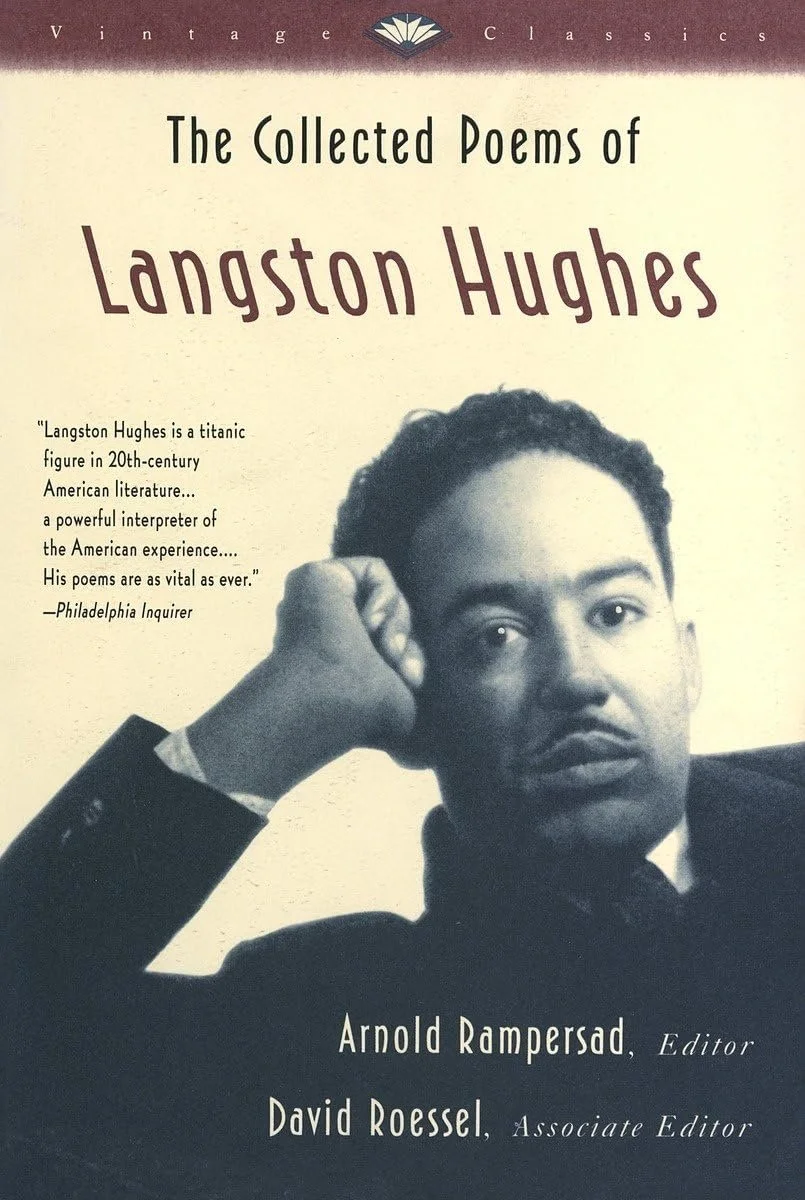
Collections like "The Collected Poems of Langston Hughes" or "The Selected Poems of Gwendolyn Brooks" provide a comprehensive introduction to the works of these iconic poets.


Additionally, readers can explore contemporary poets like Amanda Gorman, Danez Smith, and Mahogany L. Browne, whose work addresses current issues and resonates with younger audiences.
Another way to engage with African American poetry is by attending poetry readings, spoken word events, or poetry slams, where poets perform their work live.
These events offer a unique and interactive experience where you can connect with the emotional depth and energy of the poems.
Many universities and cultural centers also host poetry workshops and discussions, providing opportunities to delve deeper into the themes and meanings behind the poetry.
Ultimately, exploring African American poetry is a journey that enriches your perspective and fosters greater appreciation for the contributions of African American poets.
By engaging with these powerful voices, you can enjoy the beauty of the written word while gaining a deeper understanding of the diverse experiences that shape American society.
(6) LEARN MORE / RELATED ARTICLES




RELATED ARTICLES


THE ENDURING LEGACY OF AFRICAN AMERICAN THEATER


19 African American Athletes Who Broke Color Barriers
From baseball diamonds to tennis courts and Olympic podiums to boxing rings, these trailblazers showcased extraordinary athletic skills while igniting social change.
Delve into their stories, celebrate their victories, and highlight their impact on civil rights.

Introduction
In the records of sports history, few stories are as inspiring as those of the African American athletes who triumphed in their fields and bravely dismantled the harsh barriers of racial segregation.
From baseball diamonds to tennis courts and Olympic podiums to boxing rings, these trailblazers showcased extraordinary athletic skills while igniting social change.
This article highlights the courageous journeys of iconic figures such as Jackie Robinson, who broke Major League Baseball's color line, and Muhammad Ali, whose prowess in boxing and staunch activism challenged societal norms.
Delve into their stories, celebrate their victories, and highlight their impact on civil rights.
Their legacy in sports and American society will endure.
(1) Pioneers in Baseball
Jackie Robinson: Breaking the Color Barrier in Baseball

PHOTO: WIKIMEDIA COMMONS
Jackie Robinson is a legendary figure in baseball and a cornerstone of American history.
In 1947, Robinson became the first African American to play Major League Baseball in the modern era, joining the Brooklyn Dodgers.
His entry into the league was orchestrated by Branch Rickey, the team's general manager, who was determined to integrate professional baseball.
Despite facing intense racial prejudice, including death threats and exclusion by some teammates, Robinson's resilience and outstanding performance led him to earn the Rookie of the Year award.
He paved the way for future generations of black players in Major League Baseball.
Robinson's legacy is celebrated every year on April 15th, Jackie Robinson Day, in which all MLB players wear his jersey number, 42.
Larry Doby: Breaking Barriers in the American League

PHOTO: WIKIMEDIA COMMONS
Just weeks after Jackie Robinson's debut, Larry Doby joined the Cleveland Indians, becoming the first African American player in the American League.
His entry into the league was less publicized but no less significant.
Doby faced challenges similar to Robinson's, enduring racial slurs from the stands and isolation from teammates.
However, his powerful performance spoke volumes, contributing significantly to his team's success, including helping the Indians win the World Series in 1948.
Doby's career highlights the challenges that black players continued to face even after Robinson broke the initial color barrier, reinforcing the harsh realities of racial segregation in sports.
Hank Aaron: Triumph and Trials

Hank Aaron's pursuit of Babe Ruth's home run record is one of the most storied achievements in sports history.
Aaron, who played for the Milwaukee and later Atlanta Braves, not only faced the pressure of the record but also intense racism.
As he neared Ruth's record of 714 home runs, Aaron received numerous death threats and hate mail, stark reminders of the racial tensions in America.
In 1974, Aaron hit his 715th home run, breaking Ruth's record in a profound statement against racial prejudice.
His record stood until 2007 and remains one of the high points in MLB history.
Aaron's experience highlights the dual nature of black athletes' challenges—they had to excel in their respective sports and also navigate and survive an often hostile racial landscape.
(2) Trailblazers in Basketball and Tennis
Chuck Cooper, Earl Lloyd, and Bill Russell: Pioneers in the NBA

PHOTO: WIKIMEDIA COMMONS
Chuck Cooper was drafted by the Boston Celtics in 1950.
He made history as the first African American drafted into the NBA.
His entry into the league marked a significant milestone in the desegregation of American basketball.
Cooper's professionalism and skill challenged the prejudices prevalent then, paving the way for other black players to enter the league.

PHOTO: WIKIMEDIA COMMONS
Earl Lloyd made his debut the same year as Cooper, playing for the Washington Capitols.
He is recognized as the first African American to play a game in the NBA.
Lloyd's career spanned over a decade, during which he faced and overcame significant racial challenges on and off the court.
His perseverance and dignity under pressure set a powerful example for future generations of players.

PHOTO: WIKIMEDIA COMMONS
Bill Russell is among the most prominent figures in NBA history for his unparalleled success with the Boston Celtics and for breaking racial barriers within the sport.
He won 11 NBA championships. He was also vocal in his stance against racial injustice.
Russell became the first African American coach in NBA history.
His activism extended beyond the court. He was a vocal advocate for the civil rights movement, participating in the 1963 March on Washington and supporting Muhammad Ali's refusal to be drafted.
Althea Gibson and Arthur Ashe: Tennis Trailblazers

PHOTO: WIKIMEDIA COMMONS
Althea Gibson broke color barriers in tennis by becoming the first African American to compete at the U.S. Nationals in 1950 and Wimbledon in 1951.
She didn't just compete. She excelled.
She won five Grand Slam titles, including the French Open, Wimbledon, and the U.S. Open.
Gibson's victories were not just wins in tennis. They were symbolic triumphs over racial discrimination, heralding a new era in the sport and American society.

PHOTO: WIKIMEDIA COMMONS
Arthur Ashe achieved global fame for his exceptional skill on the tennis court. He also became well-known for his profound impact as a humanitarian and activist.
Ashe was the first African American man to win the U.S. Open (1968), the Australian Open (1970), and Wimbledon (1975).
His advocacy extended beyond sports. He spoke out against apartheid in South Africa. He also raised awareness about AIDS after contracting the virus during a blood transfusion.
Ashe's legacy is characterized by his dignity and his relentless fight against racial and social injustices.
These athletes were not just sports icons but also pivotal figures in American sports' struggle for racial equality.
(3) Icons in Football
Fritz Pollard: first African American NFL COACH

PHOTO: WIKIMEDIA COMMONS
Fritz Pollard is a seminal figure in American football history, recognized as one of the first African American players in the NFL.
Pollard was also the first African American to coach in the league.
Pollard began his professional football career 1919 playing for the Akron Pros.
He led the team to their only NFL Championship in 1920, the inaugural season of what would become the NFL.
As a player-coach, Pollard was a trailblazer, navigating and overcoming significant racial barriers when segregation was widespread in the United States.
Pollard's statistics from the early days of professional football are incomplete, as record-keeping was not as rigorous as it is today. However, his impact goes beyond numbers.
His leadership and resilience helped lay the groundwork for the eventual reintegration of the NFL.
He was inducted into the Pro Football Hall of Fame in 2005, acknowledging his influence on the sport and his pioneering role in breaking racial barriers.
Washington and Strode: reintegratING the NFL
The absence of African American players in the NFL from 1933 until 1946 was mainly due to unofficial policies of racial segregation that mirrored broader societal discrimination practices of the time.
After Fritz Pollard and Bobby Marshall, early black pioneers in the league, no more African Americans were signed by NFL teams starting in 1933.
This exclusion was not due to an explicit rule against black players but rather a tacit agreement among team owners.
This exclusion reflected the racial prejudices in the United States during that era.
The reintegration of the NFL in 1946, marked by the signing of Kenny Washington and Woody Strode with the Los Angeles Rams, was partly driven by social pressure and legal necessities.
The Rams had recently moved to Los Angeles. They were required to integrate their team as a condition of using the Los Angeles Memorial Coliseum, which was publicly owned and mandated non-discriminatory practices.
This context, coupled with a growing push against racial segregation nationally, set the stage for the reintroduction of African American players into the league.
KENNY WASHINGTON
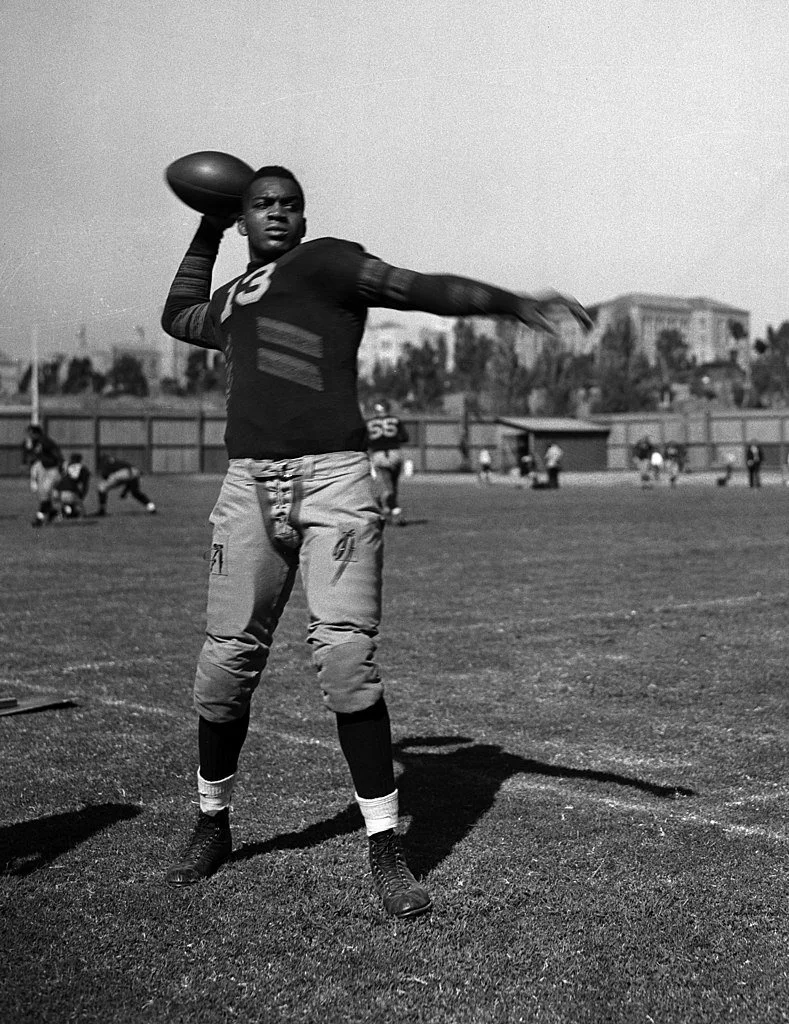
PHOTO: WIKIMEDIA COMMONS
Kenny Washington, a standout running back at UCLA, joined the NFL seven years after his college career ended due to the racial barriers of the time.
During his three seasons with the Rams (1946-1948), Washington amassed 859 rushing yards and eight touchdowns over 27 games, an impressive feat considering his late start and the racial hostility he faced.
Kenny Washington and Woody Strode played pivotal roles in reintegrating the National Football League (NFL) post-World War II.
Before their signing with the Los Angeles Rams in 1946, the NFL had not had an African American player since 1933.
WOODY STRODE

PHOTO: WIKIMEDIA COMMONS
Washington’s teammate at UCLA, Woody Strode, joined him on the Rams as a defensive end.

PHOTO: WIKIMEDIA COMMONS
Strode played only one season (1946) in the NFL but left a lasting impact through his presence and performance, which challenged the prevailing racial norms of the league.
A successful acting career followed his brief NFL career. However, his contribution to breaking the color barrier in professional football remains a significant part of his legacy.
(4) Revolutionaries in Individual Sports
Muhammad Ali: The Greatest

PHOTO: FITZGERALD WHITNEY, LOS ANGELES TIMES, CREATIVE COMMONS VIA WIKIMEDIA COMMONS
Muhammad Ali, born Cassius Clay, was one of the greatest boxers in history and also a formidable advocate for civil rights and social justice.
Inside the ring, Ali's record was phenomenal:
He became a three-time World Heavyweight Champion (1964, 1974, and 1978)
Boasting 56 wins in his career, 37 of them by knockout
Ali's revolutionary boxing style was characterized by his incredible speed, agility, and famous tactic, "float like a butterfly, sting like a bee."
Outside the ring, Ali's impact was equally significant.
He famously refused induction into the U.S. Army during the Vietnam War on the grounds of his religious beliefs and ethical opposition to the war, famously stating that he had no quarrel with the Viet Cong.
This stance cost him three years of his prime career but earned him respect and admiration as a symbol of the anti-war movement and a fighter for racial and social justice.
Simone Biles: DECORATED GYMNAST AND MENTAL HEALTH ADVOCATE

Simone Biles has significantly impacted gymnastics with her extraordinary achievements and advocacy.
She is the most decorated American gymnast, with 30 Olympic and World Championship medals combined.
Biles has also been a vocal advocate for athletes' mental health, highlighting the immense pressures they face, particularly after she decided to prioritize her mental well-being during the Tokyo 2020 Olympics.
Her inclusion would add depth to the narrative of athletes who are revolutionaries in their sports achievements and in influencing broader societal issues.
Tiger Woods: Transforming Golf

PHOTO: WIKIMEDIA COMMONS
Tiger Woods revolutionized golf as one of the sport's most dominant and influential figures.
Woods became the first African American to win a major championship at the 1997 Masters, where he won by a record-breaking 12 strokes.
He has won 15 major championships, second only to Jack Nicklaus, and a total of 82 PGA Tour events, tied for the most in history.
His contributions transcend his record-breaking performances.
Woods brought unprecedented attention to golf, diversifying its fan base and inspiring millions worldwide, including a new generation of golfers from diverse backgrounds.
Serena and Venus Williams: Sisters Dominating Tennis

PHOTO: WIKIMEDIA COMMONS
Serena and Venus Williams have dominated women's tennis with their powerful playing styles and fierce competitiveness.
Serena Williams boasts 23 Grand Slam singles titles, the most by any player in the Open Era, and has completed the Career Grand Slam three times.
Venus Williams is not far behind; she has seven Grand Slam singles titles and has also won five Wimbledon titles, showcasing her skill on grass courts.

PHOTO CREDIT: JOHN MATHEW SMITH VIA CREATIVE COMMONS (1993 AND 2001)
Their impact extends beyond their athletic achievements.
The Williams sisters have broken numerous barriers in a traditionally white-dominated sport, bringing new fans and young athletes into tennis.
They have been vocal about issues of race and gender in sports and society, using their platform to advocate for equality and justice.
Their influence is evident in the rising diversity seen in tennis today, as more players cite the Williams sisters as their inspiration.
(5) Olympian Achievements
Jesse Owens: A Symbol of Triumph

PHOTO: WIKIPEDIA COMMONS
Jesse Owens is one of the most celebrated athletes in Olympic history.
At the 1936 Berlin Olympics, held in Nazi Germany, Owens won four gold medals, a feat that stood as a powerful counter-narrative to Adolf Hitler's ideologies of racial superiority.
Owens triumphed in the 100-meter, 200-meter, long jump, and 4x100-meter relay, setting world records.
His performance at the Berlin Olympics shattered the myth of racial hierarchy and established him as a symbol of breaking racial barriers on a global stage.
Wilma Rudolph: The Fastest Woman on Earth

PHOTO: WIKIPEDIA COMMONS
Wilma Rudolph overcame childhood polio to become a world-renowned sprinter.
At the 1960 Rome Olympics, Rudolph became the first American woman to win three gold medals in a single Olympiad.
She won the 100 meters and 200 meters and anchored the U.S. team to victory in the 4x100-meter relay.
Her victories earned her the title of "The Fastest Woman on Earth" and made her an international star.
Rudolph's success at the Olympics served as a beacon of hope and a source of inspiration for many African Americans during the civil rights era, particularly young black women, who saw in her a model of strength and determination.
Gabby Douglas: Breaking New Ground in Gymnastics

PHOTO: WIKIPEDIA COMMONS
Gabby Douglas made history at the 2012 London Olympics by becoming the first African American woman to win the individual all-around gold medal in gymnastics.
Her achievement was a significant milestone in Olympic gymnastics because of the racial barrier it broke because of its rarity in a sport historically dominated by Eastern Europeans and Russians.
Douglas also helped the United States win team gold, contributing to a dominating performance that highlighted her exceptional skills on an international platform.
Her success has inspired a new generation of gymnasts from diverse backgrounds to pursue the sport at the highest levels.
(6) THE IMPACT, ONGOING CHALLENGES, AND THE LEGACY
The achievements and impact of these athletes have inspired countless young people to pursue their dreams in sports and beyond.
They have demonstrated that it is possible to rise above systemic obstacles with talent and determination.
Despite the progress made, racial equality in sports remains a challenge.
Issues like the underrepresentation of minorities in leadership and coaching positions and racial abuse from fans and media persist.
Economic inequality affects access to sports training and resources, disproportionately impacting African American communities.
African American athletes often face scrutiny and bias that their counterparts do not. This includes stereotyping and higher expectations to perform or behave in specific ways.
These athletes are sports heroes and cultural icons who have profoundly influenced American culture.
The enduring legacy of these trailblazers in sports is a testament to their invincible spirit and determination.
They have played significant roles in advancing the conversation around race and equality in America.
Their stories continue to inspire and challenge the status quo.
Stories of perseverance and success in the face of adversity are powerful examples for all athletes, especially young athletes of color.
The lives of these 19 athletes confirm the possibilities and pave the way for future successes.
(7) LEARN MORE / RELATED ARTICLES



The Impact of HBCUs on American History and Culture
Historically Black Colleges and Universities (HBCUs) have played a foundational role in shaping the African American community and American society.
They have had a pivotal role in the Civil Rights Movement and ongoing contributions to social justice.

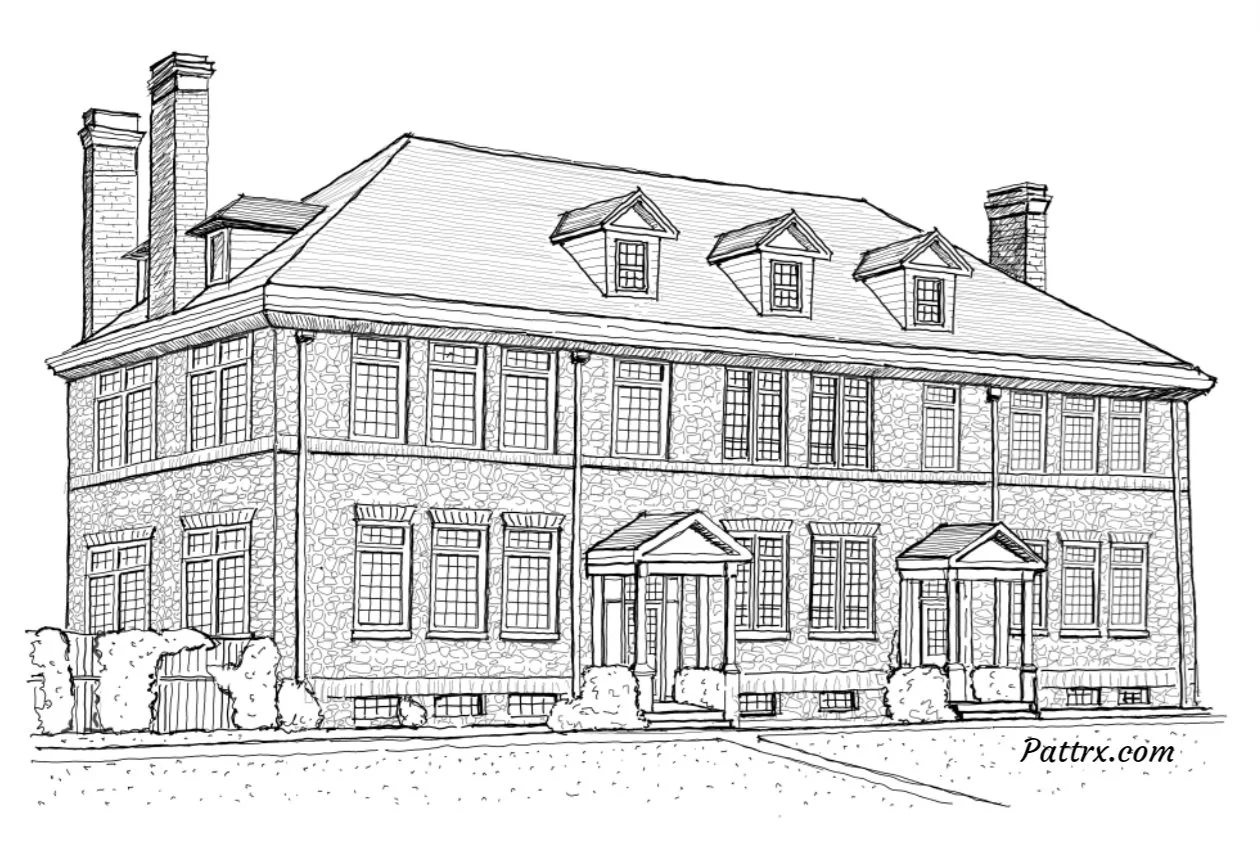
FIRST HBCU OF HIGHER EDUCATION — CHEYNEY UNIVERSITY OF PENNSYLVANIA (HUMPHREY HALL)
Historically Black Colleges and Universities (HBCUs) have played a foundational role in shaping the African American community and American society.
They have had a pivotal role in the Civil Rights Movement and ongoing contributions to social justice.
This article affirms the enduring importance of HBCUs in providing educational opportunities and shaping America’s social and cultural landscape.
Finally, the current state and future outlook of HBCUs are explored, including their role in promoting diversity and preparing future generations of leaders.
(1) What is an HBCU?
An HBCU is defined as any historically black college or university established prior to 1964 whose principal mission was and is the education of black Americans.
Historically Black Colleges and Universities were created in response to a segregated society that systematically denied African American students access to most colleges and universities.
As such, HBCUs provided crucial pathways to higher education for black Americans, significantly advancing their educational and economic opportunities.
In order to retain status as an HBCU, these colleges and universities must be accredited or be making reasonable progress toward accreditation.
Their status must be acknowledged by a trustworthy institute or association that is nationally recognized by the Secretary of Education.
As such, the total number of HBCUs may change from year to year.
In 2022, there were 99 HBCUs located in 19 states, the District of Columbia, and the U.S. Virgin Islands. Of the 99 HBCUs, 50 were public institutions and 49 were private nonprofit institutions. — National Center for Educational Statistics
These institutions offer a range of academic programs and are known for their supportive environments that nurture African American students’ educational and cultural growth.
Here are six of the first HBCUs, in order of established founding date:



These first HBCUs served as pioneering models for the dozens of other HBCUs that institutions established in the following decades.
These schools educated students and became centers of intellectual thought that challenged discriminatory practices and fostered a new generation of leaders.
(2) Historical Origins OF BLACK COLLEGES & UNIVERSITIES
Historically Black Colleges and Universities (HBCUs) began in earnest before the Civil War and increased during the Reconstruction era, marking a transformative period in American educational history.
IMPORTANCE OF BLACK COLLEGES & UNIVERSITIES
Individuals and organizations established HBCUs to provide educational opportunities to African American students. These students were excluded from existing education systems due to racial segregation and discrimination.
The first HBCU, Cheyney University of Pennsylvania, was founded in 1837, long before the Civil War, demonstrating early efforts to educate African Americans.
However, the significant expansion of HBCUs occurred after the Civil War, particularly during Reconstruction, when the formerly enslaved people’s urgent need for education became a societal priority.
This period saw the founding of many notable HBCUs, including Howard University in 1867 and Hampton University in 1868.


These institutions offered primary and higher education and training in trades and professions, providing a pathway to social and economic mobility for formerly enslaved people and their descendants.
KEY FIGURES AND ORGANIZATIONS
Booker T. Washington, an alumnus of Hampton University, was a key figure in promoting and advancing HBCUs.
Washington became the first leader of Tuskegee University in Alabama and championed vocational education as a means for African Americans to gain economic independence.
His work underscored the practical aspects of the curriculum at many HBCUs, which balanced liberal arts education with vocational training.

Booker T. Washington
Washington was also a major fundraiser for the Tuskegee Institute, utilizing his extensive network to enhance the school’s financial resources, allowing it to expand and prosper.

Madam C.J. Walker
Madam C.J. Walker was a prominent African American philanthropist and the first documented woman million of any race.
She used her wealth to empower African American communities through education.
She significantly contributed to the growth and development of educational institutions.
Similarly, White allies and philanthropic organizations played crucial roles. John D. Rockefeller and the Julius Rosenwald Fund provided essential funding that helped establish and expand several HBCUs.


Rosenwald was particularly noted for financing the construction of educational facilities across the South, markedly improving the infrastructure of black education.
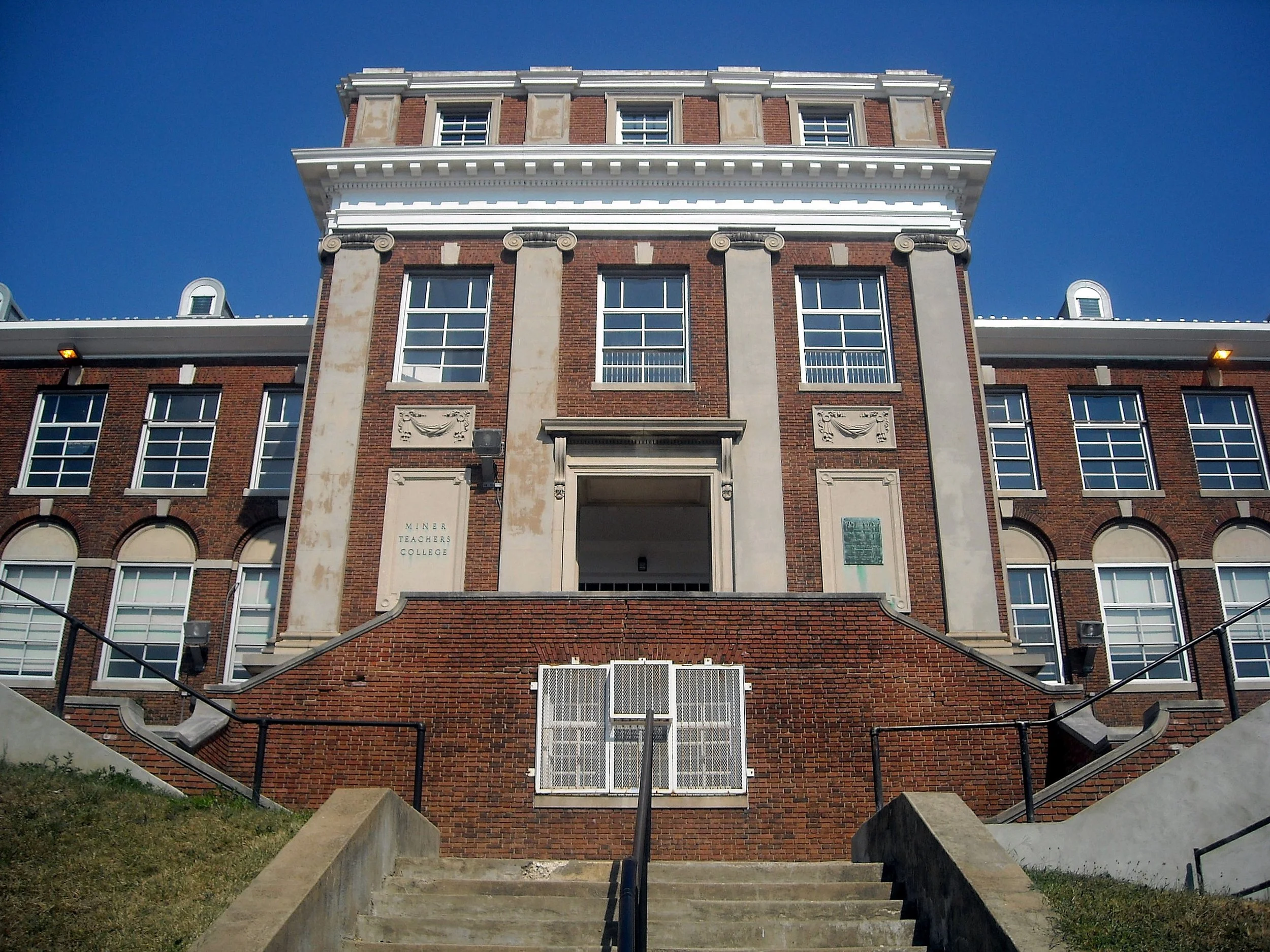
Myrtilla Miner, facing considerable racist opposition, founded the Normal School for Colored Girls in 1851 with just six students.
The school began in a small room in a house owned by Edward Younger, making significant strides as the first such institution in the District of Columbia. Today the school is known as the University of the District of Columbia.
Quaker philanthropist, Richard Humphreys, influenced by ideals of equality and social justice, left $10,000 in 1829 to establish the Institute for Colored Youth, now Cheyney University of Pennsylvania.
This marked one of the earliest efforts to create a formal educational setting for African Americans, setting a foundation for future educational opportunities.
The support from black churches was also vital in the establishment and sustenance of HBCUs.
The African Methodist Episcopal (AME) Church and the African Methodist Episcopal Zion (AMEZ) Church were instrumental in founding some of the earliest HBCUs, including Wilberforce University, in 1856 and providing continuous support and leadership.
These churches served as spiritual centers and community hubs for education and civil rights planning.
Religious organizations similarly backed the creation of institutions like Shaw University in 1865 and Spelman College in 1881, providing substantial financial and moral support.


These collective efforts by African Americans, White allies, and religious groups highlight the crucial role philanthropy played in the education of Black Americans, particularly when public funding was limited.
Their contribution influenced the development and success of HBCUs which provide essential educational opportunities and help shape American society and culture.
(3) Academic and Cultural Contributions
Historically Black Colleges and Universities (HBCUs) have consistently provided quality education tailored to the needs and aspirations of the African American community, focusing on empowerment, cultural affirmation, and the development of skills necessary for professional and personal success.
Its emphasis is on nurturing leadership and civic responsibility among its students.
Leadership and Alumni Impact
HBCUs have been instrumental in producing graduates who become leaders in a wide range of fields, including science, art, business, law, entertainment, politics, education, military service, and sports.
Notable alums such as Toni Morrison, a Nobel and Pulitzer Prize-winning author who attended Howard University, and Martin Luther King Jr., a Morehouse College graduate and pivotal civil rights leader, exemplify the profound impact of HBCUs on American culture and civil rights.
Their achievements underline the role of HBCUs in fostering critical thinking and advocacy skills, which have driven social change and enriched American intellectual and cultural life.
Unique Cultural Aspects
Culturally, HBCUs offer a vibrant community atmosphere that celebrates African American heritage and identity.
Unique traditions such as homecoming at HBCUs are renowned for their spirited community displays, featuring alum gatherings, student parades, and the high-energy performances of marching bands.
These bands, often the pride of their institutions, are known for their dynamic routines and musical precision, contributing significantly to college life’s cultural and entertainment landscape.
Greek life at HBCUs is another integral part of campus culture, with fraternities and sororities emphasizing leadership, academic achievement, and community service.

The National Pan-Hellenic Council, consisting of nine historically African American fraternities and sororities, collectively known as the “Divine Nine,” is critical in fostering networking opportunities and community engagement among students.
Academic Excellence
Academically, HBCUs promote an environment of excellence where students are encouraged to pursue research and innovation while receiving support through mentorship programs and tailored academic advising.
This supportive environment helps mitigate the challenges often faced by first-generation college students and those from less advantaged backgrounds.
The close-knit community at HBCUs ensures that students are not only recipients of education but also active participants in shaping their learning experiences and community engagements.
In summary, HBCUs offer a unique blend of academic rigor, cultural richness, and leadership training that prepares students to be proactive contributors to society.
The legacy of their alums and the distinctive campus traditions continue to underscore these institutions’ vital role in advancing education and culture within the African American community and beyond.
(4) Political and Social Impact
Historically Black Colleges and Universities (HBCUs) have been pivotal in shaping the course of the Civil Rights Movement in the United States, serving not only as academic hubs but also as centers of activism and leadership development for African American students.
Their involvement in the movement highlights a long-standing commitment to justice and equality that continues to resonate through their contributions to modern social justice initiatives.
Role in the Civil Rights Movement
During the Civil Rights Movement, HBCUs played a critical role by fostering a climate of political activism and providing the organizational base from which many protests were staged.
Students, faculty, and alums from these institutions were often at the forefront of efforts to dismantle segregation and combat racial injustice.
On March 4, 1960, Houston's first sit-in was held at Weingarten's grocery store lunch counter by thirteen Texas Southern University students to protest Houston's segregation laws.
The actions by these TSU students directly led to the desegregation of Houston, and were a contributing factor to the signing of the Civil Rights Act in 1964.
Other students took part in combating racial injustice, for example, Fisk University, Howard University, and Morehouse College students also participated actively in sit-ins, as well as freedom rides and voter registration campaigns.
On May 14, 1961, a group of civil rights activists, known as the Freedom Riders, were traveling by bus through the South to challenge the non-enforcement of Supreme Court decisions that ruled segregated public buses unconstitutional.
When their Greyhound bus reached Anniston, Alabama, it was attacked by a mob of Ku Klux Klan members.
The mob slashed the bus tires and, when the bus had to stop, they firebombed it, forcing the passengers to flee for their lives.

Freedom Riders stand next to a burning Greyhound bus after it was firebombed by a Ku Klux Klan mob outside of Anniston, Alabama. 14 May 1961.
This violent incident was one of several attacks endured by the Freedom Riders but served to draw national and international attention to the struggle for civil rights in the United States.
Such hostility was pivotal in highlighting the severe racial issues in the South, leading to greater public support for the civil rights movement and ultimately to increased federal intervention in the region.
The leadership and participation of HBCU affiliates in these activities underscored the role of these institutions as catalysts for civil rights advocacy.
HBCUs also nurtured leaders who would become prominent figures in the Civil Rights Movement.
Leaders like Dr. Martin Luther King Jr. (Morehouse College), Congressman John Lewis (Fisk University), and Thurgood Marshall (Howard University Law School), who later became the first African American U.S. Supreme Court Justice, are prime examples of how HBCUs contributed to shaping individuals who led and influenced civil rights strategies and policies.


Advancing Civil Rights through Legal and Educational Reforms
Beyond direct activism, HBCUs have been instrumental in advancing civil rights through legal and educational reforms.
Thurgood Marshall’s work with Howard University’s Law School, where he was trained and later served as a part-time professor, highlights the role of HBCUs in shaping legal strategies.
These methods led to the landmark Supreme Court decision in Brown v. Board of Education, which declared racial segregation in public schools unconstitutional.
In terms of educational reforms, HBCUs have been at the forefront of efforts to ensure greater access to higher education for African Americans and other minorities.
They have worked to eliminate barriers in educational policies and practices, thereby broadening the impact of educational equality across the U.S.
Involvement in Modern Social Justice Movements
In contemporary times, HBCUs continue to play a significant role in social justice movements.
They are hubs for thought leadership and activism concerning modern issues like police brutality, racial profiling, and inequality in the justice system.
For example, the involvement of HBCU students in the Black Lives Matter movement and other similar initiatives underscores the ongoing commitment of these institutions to civil rights.
Additionally, HBCUs frequently host conferences, workshops, and speaker series addressing social justice issues, thereby influencing political discourse and policy-making.

These events provide platforms for discussion and action on addressing the systemic inequalities that persist in American society.
The legacy of HBCUs in the Civil Rights Movement is profound and enduring.
They not only served as launchpads for historic change during the 20th century but continue to be vital in advocating for justice and equality in the 21st century, reflecting their unwavering commitment to civil rights and social progress.
(5) Challenges and Triumphs
Historically Black Colleges and Universities (HBCUs) have faced numerous financial and administrative challenges.
Yet, they have shown remarkable resilience in overcoming these hurdles to maintain their crucial role in higher education.
Financial and Administrative Challenges
One of the most significant challenges faced by HBCUs is funding disparities.
Historically, these institutions have received less funding compared to Predominantly White Institutions (PWIs). This disparity affects everything from the ability to attract and retain faculty to the maintenance and improvement of campus facilities.
Additionally, HBCUs often have smaller endowments than their PWI counterparts, which limits their financial flexibility and capacity to offer scholarships and other financial aid.
Average Endowments of HBCUs Compared to PWIs
Public HBCUs………$7,265 per student
Public PWIs…………$25,390 per student
Private HBCUs…...$24,989 per student
Private PWIs…….$184,409 per student
Average Endowments of HBCUs Compared to PWIs
Competition with PWIs also poses a substantial challenge.
As higher education becomes increasingly competitive, HBCUs often need help attracting a diverse student body, including non-black and international students, which could enhance their global footprint and financial stability.
This competition is further intensified by larger institutions’ marketing and outreach capabilities that can overshadow smaller colleges, including many HBCUs.
Support Mechanisms
Despite these challenges, various support mechanisms have been implemented to assist HBCUs.
The United Negro College Fund (UNCF) is a pivotal organization that provides substantial financial assistance to HBCUs and their students.
Since its inception, the UNCF has raised millions of dollars to help students cover tuition and other critical expenses, enhancing the accessibility of higher education.
Federal funding initiatives have also played a critical role in supporting HBCUs.
The Higher Education Act, for instance, includes provisions specifically designed to support HBCUs, ensuring that they receive federal funds to improve their educational offerings and infrastructure.
Furthermore, Pell Grants have been crucial for many students attending HBCUs, helping them afford college without the burden of excessive student loan debt.
Resilience of HBCUs
The resilience of HBCUs in the face of these challenges is noteworthy.
These institutions have continuously adapted to changing educational landscapes by innovating their academic programs and outreach strategies.
They have also fostered partnerships with industry and other educational institutions to enhance student resources and opportunities.
Moreover, HBCUs continue to play a critical role in educating African American students and other minorities, often providing culturally affirming environments that are not as prevalent at other institutions.
While HBCUs face ongoing challenges related to funding and competition, their ability to maintain their mission and impact speaks volumes about their resilience and importance in the American educational system.
With continued support from organizations like the UNCF and federal initiatives, HBCUs will persist as vital contributors to the nation’s academic, cultural, and social fabric.
(6) Future Outlook
Historically Black Colleges and Universities (HBCUs) continue to play a critical role in the higher education landscape of the United States today.
They adapt to modern educational needs and societal changes while staying true to their historic mission of empowering African American communities through education.
Enrollment Trends and Academic Programs
Enrollment trends at HBCUs have fluctuated over the years, influenced by broader societal and economic factors.
Many HBCUs have recently reported a resurgence in enrollment, attributed partly to increased awareness of racial issues in the U.S. and the culturally affirming environments these schools offer.
Academically, HBCUs have diversified their program offerings to include cutting-edge fields such as cybersecurity, biotechnology, and public health, responding to the growing demand for skills in these areas.


Furthermore, online education has expanded significantly among HBCUs, improving accessibility for non-traditional and remote learners and providing flexibility in delivering education.
Innovations in academic programs also include partnerships with major corporations and grants for research initiatives.
These partnerships and initiatives enhance educational quality and increase the institutions’ competitiveness.
The IBM-HBCU Quantum Center is a multi-year initiative aimed at equipping HBCU students from all STEM fields for careers in quantum computing.

This investment focuses on nurturing talent through curriculum development, research funding, and workforce advocacy within a supportive community.
Additionally, the center supports special projects that enhance students' skills and readiness for the quantum future.
Role in Promoting Diversity
HBCUs have been instrumental in promoting diversity in higher education.
While their principal mission is to educate African American students, HBCUs are increasingly attractive to non-black and international students who value the inclusive and supportive environment these institutions are known for.
Research shows that HBCUs benefit students of all backgrounds.
They enhance white students' understanding of race, privilege, and oppression through targeted courses and experiences.

Meanwhile, African American graduates from HBCUs often achieve greater social mobility and healthier adult lifestyles compared to their peers from predominantly white institutions (PWIs).
Additionally, HBCUs have a strong tradition of supporting first-generation college students, providing the necessary academic and social support to ensure their success.
Future of HBCUs
Looking forward, the future of HBCUs appears robust, influenced positively by recent executive orders and educational policies.
Recent federal support has been significant, with executive orders aiming to increase federal funding and resources to HBCUs, ensuring they can improve their infrastructure, expand academic offerings, and enhance student support services.

VICE PRESIDENT KAMALA HARRIS SPEAKING WITH HBCU STUDENTS IN WASHINGTON, D.C.
These actions recognize the importance of HBCUs in the American education system and aim to address historical funding disparities.
Moreover, there is a growing recognition of the role of HBCUs in fostering social mobility and leadership among minority populations.
Educational policies are increasingly designed to support these roles, potentially leading to increased enrollment and expanded influence of HBCUs in higher education.
In sum, HBCUs today are vibrant institutions that continue to evolve and innovate while maintaining their foundational goals.
With renewed support and recognition, both at a federal level and from the private sector, HBCUs are well-positioned to continue their mission of educating and empowering future generations.
The focus on diversity, innovation, and leadership prepares HBCU students to enter the workforce and transform it, promising a bright future for these indispensable institutions.
Historically Black Colleges and Universities (HBCUs) have played a crucial role in American history by providing educational opportunities to African Americans during times when such access was largely denied.
Consider attending or sponsoring an HBCU College Fair near you.
These institutions have been instrumental in fostering a sense of identity, leadership, and community among generations of Black students, thereby contributing significantly to the civil rights movement and other social justice causes.
Consider This: Check out and participate in upcoming cultural events and homecomings at HBCUs, even if you're not an alumnus.

(7) LEARN MORE ABOUT IT
The Obama White House. President Obama Delivers the Commencement Address at Howard University.
“Five HBCUs have completely closed since 1989. Several others, including Knoxville College, Barber-Scotia College, and Morris Brown College, with only 55 students enrolled, remain open in name only after having been stripped of their accreditation.”


RELATED ARTICLES

15 INSPIRATIONAL QUOTES FROM AFRICAN AMERICAN LEADERS

FINANCIAL GOAL SETTING FOR HIGH SCHOOL STUDENTS

25 BEST WAYS YOU CAN BUILD GENERATIONAL WEALTH

History and Impact of Drum Bans on African American Music
The prohibition of drums among enslaved Africans was intended to prevent communication and rebellion. Instead, these bans fueled an evolution that gave birth to new forms of music.

The prohibition of drums among enslaved Africans was intended to prevent communication and rebellion. Instead, these bans fueled an evolution that gave birth to new forms of music.
Music became a means of resistance and cultural preservation.
It showcases the resilience of African people and the blending of different cultures to create an American music history loaded with African-American influences.
Music genres such as jazz, blues, and gospel became an expression of identity for many Black Americans and Black musicians, specifically.
(1) Reasons for the DRUM Ban
Communication
Drums were an effective means of communication among enslaved Africans.
In many African cultures, drums were used for music and to send complex messages over long distances.
Enslaved people could use drumming to communicate and organize. However, plantation owners and colonial authorities prohibited using drums because of the fear of insurrection.
Cultural Suppression
The ban on drums was also part of a broader strategy to suppress African cultural practices and identities.

The djembe, a West African drum, is renowned for its unique shape and dynamic sound.
Made from hollowed-out hardwood and covered with animal skin, it is played with the hands and produces a range of sounds, from deep bass to sharp slaps.
Its complex beats are vital to West African cultural practices, facilitating communication, storytelling, and community unity.
The djembe's rhythms can be slow for ceremonial dances or fast for lively celebrations.

The musical ensemble of the chief of Abetifi (Kwahu people) c. 1890 - Republic of Ghana, West Africa.
By forbidding drumming, enslavers aimed to sever the enslaved people's connections to their African heritage, traditions, and social cohesion, making them easier to control and assimilate into the imposed culture.
Fear of Unity
Drumming sessions were communal events that united enslaved Africans, fostering unity and shared identity.
Enslavers feared that such gatherings could lead to uprisings, and the communal aspect of drumming threatened the divisive tactics employed to maintain control.
(2) Historical Context and Impact
THE STONO REBELLION
One of the most notable instances of rebellion that contributed to the fear of African drumming was the Stono Rebellion in 1739 in the colony of South Carolina.

Enslaved Africans used drums to communicate and coordinate their actions during the uprising.
In response to this and similar events, colonies, and territories implemented laws restricting drumming and other forms of African cultural expression.
THE NEGRO ACT OF 1740
After the Stono Rebellion, officials in South Carolina enacted the Negro Act of 1740. This act restricted enslaved Africans from growing their own crops, making money, and learning how to read.
It also barred them from assembling and using drums, horns, or other loud instruments.
The regulations set forth by the Negro Act, such as the prohibition on drums, were soon adopted throughout the United States.
THE LEGACY OF AFRICAN DRUMMING
The ban on drums profoundly impacted the development of African American music.
Deprived of their traditional instruments, enslaved Africans and their descendants adapted by finding new ways to make music and preserve their heritage.
This led to the development of body percussion, such as hand clapping and stomping, and other African musical instruments, such as the banjo, which has African origins.
These adaptations contributed to the evolution of African American music genres, including spirituals, blues, and jazz. Also, transforming religious music and dance music.
Despite these oppressive measures, African Americans continued to use music as a form of resistance, communication, and cultural preservation.
The legacy of African drumming, with its rhythms and communal significance, lived on and evolved, deeply influencing the music and culture of the African diaspora in the Americas.
(3) Drum Bans in Other Regions
Drum bans for Africans and their descendants were not exclusive to North America.
Similar prohibitions occurred in other parts of the New World where Africans were enslaved.
These bans were part of broader efforts by colonial powers and enslavers to suppress African cultural expressions, prevent communication among enslaved people, and thwart potential rebellions.
Here are a few examples:
Caribbean
In the Caribbean, enslaved Africans were brought to work on sugar plantations and in other forms of forced labor.
European colonial authorities were keenly aware of the potential for drums and other African instruments to serve as tools for communication and unity among the enslaved population.
As a result, drum bans were placed on various islands to prevent these gatherings and reduce the risk of insurrection.
Brazil
Brazil, which received the largest number of enslaved Africans during the transatlantic slave trade, also experienced similar restrictions.
The country has a rich African heritage, and music played a significant role in the cultural and religious lives of enslaved Africans and their descendants.
However, colonial and later Brazilian authorities periodically attempted to suppress African-derived musical practices, including drumming.
This was particularly true when music was associated with Candomblé and other African-originated religious practices, which were also often prohibited or tightly controlled.
French Colonies
In French colonies such as Saint-Domingue (modern-day Haiti), which had a significant population of enslaved Africans, there were fears of rebellion stoked by the communication potential of drums.
In August 1791, a coordinated and successful uprising among enslaved Africans began, initiating a twelve-year struggle for human rights.
This revolution led to the creation of Haiti, the New World's first free state governed by Black people.
Fears of similar uprisings led to further restrictions on African cultural practices in other colonies.
These bans had a global impact on music and culture.
(4) The Birth of New Musical Forms
Body Percussion and Vocal Techniques
Deprived of their traditional drums, enslaved Africans and their descendants turned to body percussion—clapping, stomping, and patting—using different parts of their bodies to make sounds and rhythms.
They also used vocal techniques like call-and-response and field hollers to maintain their musical traditions.
These practices laid the groundwork for jazz's rhythmic complexity and vocal styles.
With the ban on drums, enslaved Africans and their descendants turned to their bodies as instruments.
Clapping, stomping, and patting juba (a form of dance and percussion) became vital means of musical expression.
This form of body percussion was a substitute for the banned drums and a powerful statement of resilience and resistance.
The rhythms created through body percussion were complex and deeply rooted in African traditions, carrying the essence of African music through generations.
Use of Alternative Instruments
The ban on drums pushed African Americans to adapt and innovate with available materials and instruments.
With its African origins, the banjo and other percussion instruments, such as the washboard, became integral to early jazz ensembles.
These instruments contributed to jazz music's distinctive sound and rhythm.
With its origins in African stringed instruments, the banjo became a bridge between African musical traditions and the new world of American music.

THE OLD PLANTATION, possibly 1785–1795. Location: Abby Aldrich Rockefeller Folk Art Museum, Williamsburg, Virginia.
The Old Plantation depicts two male musicians, with one playing what appears to be an early version of a gourd banjo, marking it as the oldest painting known to feature a banjo. The other musician is seen playing a percussion instrument similar to the Yoruba gudugudu.
Other instruments, such as the washboard and the jug, were also incorporated into the evolving soundscape, each adding unique textures and rhythms.
These instruments allowed African American musicians to continue exploring rhythm and melody, laying the groundwork for jazz's later development.
(5) The Development of Jazz
African rhythms became a cornerstone of jazz.
Drawing inspiration from their African roots, jazz musicians utilized rhythm to craft deeply emotional and communicative music.
The impact of African rhythms is also evident in jazz's focus on improvisation.
Like African music, which often includes on-the-spot creation within a group, jazz musicians improvise, creating a musical dialogue between themselves and their listeners. This improvisation, built on the complex rhythms passed down from African traditions, creates a lively and constantly changing musical experience.
How did the banning of drums shape the development of jazz?
The lack of drums didn't lessen the impact of African rhythms on music. The innovation in musical expression through body percussion and new instruments, coupled with the rhythmic complexity and influence of African rhythms, has been instrumental in the development of jazz.
These elements reflect the ingenuity and resilience of African American musicians in preserving their cultural heritage while creating something entirely new.
With its deep roots in African musical traditions, jazz stands as a testament to the power of music to adapt, evolve, and transcend barriers, embodying the spirit of creativity and resistance.
This complexity became a defining feature of jazz, showcased through its distinctive syncopation, swing, and improvisation.
(6) Cultural and Social Impact
Music as a Form of Resistance and Communication
Even when drums were removed, music didn't lose its power. For African Americans, it remained a powerful way to resist unjust treatment, share messages, and unite people.
They preserved their heritage through song, rhythm, and dance. Music became not just a means of survival but a declaration of identity and freedom that echoed through generations.
Influence on Other Musical Genres
The creativity from not having drums led to new sounds, which later inspired other music styles, such as blues, gospel, jazz, rock and roll, and hip-hop.
All these types of music are connected, returning to the musical traditions that African Americans kept alive from their African roots.
While intended to suppress and control, the banning of drums among enslaved Africans inadvertently catalyzed a remarkable journey of musical evolution and cultural resilience.
Moreover, the ban led to the adoption and adaptation of new instruments. With its origins in African stringed instruments, the banjo became a symbol of African American music, evolving into a key component of jazz, blues, and other genres.
This journey of musical evolution demonstrates how attempts to suppress can instead lead to innovation.
The legacy of African musical traditions, preserved and transformed by African Americans, remains a testament to the power of music to transcend barriers, connect communities, and celebrate the human spirit.
RELATED articles

By Cynthia D. Smith
(8) FOR EDUCATORS: FREE LESSON PLAN
FREE pdf File
3 Grade Levels
Immediate Download

The Enduring Legacy of African American Theater
During the Civil Rights Movement, African American theater mirrored the changes in society. The stage was a place where Black playwrights and actors could voice their struggles for equality and justice.
The theater showcased a unique, enduring look at what it means to be an American.

NATIVE SON, 1941
During the Civil Rights Movement, African American theater mirrored the changes in society. The stage was a place where Black playwrights and actors could voice their struggles for equality and justice.
The theater showcased a unique, enduring look at what it means to be an American.
From Civil Rights to Black Arts
The rise of the Black Arts Movement in the 1960s and 1970s further fueled this creative and cultural surge.
This movement was characterized by an artistic explosion, as Black American playwrights used the stage to delve into and affirm their cultural and political experiences.
Playwrights like Amiri Baraka and Lorraine Hansberry became prominent figures during this time, using their art to provoke thought and evoke emotional responses about the complexities of being African American in a society riddled with racial tensions.
"A Raisin in the Sun" by Lorraine Hansberry (1959)
Lorraine Hansberry's "A Raisin in the Sun" broke new ground by portraying the hopes and challenges of an African American family, bringing to light issues that were often ignored or misrepresented in mainstream media.
This groundbreaking play portrays the story of the Younger family, an African American family living in Chicago, and their dreams of a better life. It addresses issues of racial discrimination, poverty, and the pursuit of the American Dream, resonating deeply with the themes of the Civil Rights Movement.
"The Dutchman" by Amiri Baraka (1964)
Amiri Baraka's works, known for their raw and unapologetic exploration of race and society, pushed the boundaries of traditional theater. His plays often confronted uncomfortable truths, forcing audiences to confront their own biases and understandings of race relations in America.
Known for its controversial and provocative narrative, "The Dutchman" is a one-act play that explores themes of race, identity, and power dynamics in American society. The play's intense and confrontational style mirrored the growing tensions and calls for change during the Civil Rights era.
Other notable plays from this period include:
"Blues for Mister Charlie" by James Baldwin (1964)

Inspired by the true story of the murder of Emmett Till, this play is a powerful indictment of racial hatred and injustice in America.
Baldwin's work provided a stark and emotional portrayal of the realities faced by African Americans during the Civil Rights Movement.
"We Real Cool" by Gwendolyn Brooks (1966)
While primarily known as a poem, "We Real Cool" was adapted into a theatrical performance that captured the spirit and challenges of African American youth. The adaptation brought to life the poem's exploration of identity, rebellion, and the social conditions facing young Black people.
"Funnyhouse of a Negro" by Adrienne Kennedy (1964)
This play is a significant example of African American avant-garde theater. It delves into the complexities of racial identity and psychological struggle, reflecting the inner turmoil and societal pressures faced by African Americans during a time of intense racial conflict.
"For Colored Girls Who Have Considered Suicide / When the Rainbow Is Enuf" by Ntozake Shange (1976)
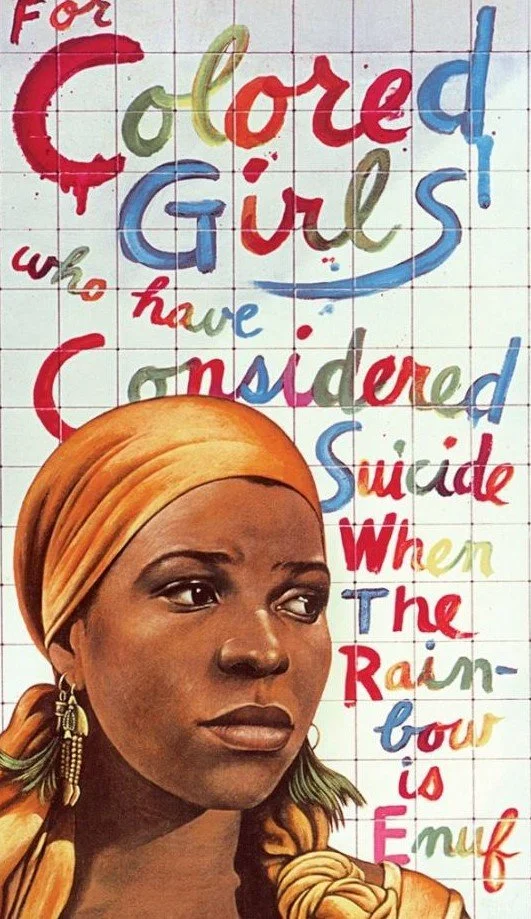
This groundbreaking choreopoem is a series of poetic monologues accompanied by dance movements and music, a form Shange coined as the choreopoem.
It tells the stories of seven women who have suffered oppression in a racist and sexist society.
The play was a critical success and is considered a seminal work in African American feminist literature.
"The River Niger" by Joseph A. Walker (1972)
This Tony Award-winning play tells the story of an African American family living in Harlem and addresses themes of love, family, and racial identity.
It was notable for its authentic dialogue and portrayal of the African American experience, particularly in its depiction of the struggles and aspirations of the working-class family.
"Ain't Supposed to Die a Natural Death" by Melvin Van Peebles (1971)

A New York City Parks presentation of “Ain’t Supposed to Die a Natural Death,” by Melvin Van Peebles.
This musical was groundbreaking for its portrayal of life in the Black urban community and its use of funk music.
The play is a series of vignettes that explore the harsh realities of life in the inner city, including poverty, violence, and racial injustice.
"What the Wine-Sellers Buy" by Ron Milner (1974)
This play was one of the first produced by the Negro Ensemble Company to move to Broadway.
It explores the impact of urban renewal on the African American community, telling the story of a young man who gets caught up in the world of hustling and crime in Detroit.
"Spell #7" by Ntozake Shange (1979)
Another powerful work by Shange, this choreopoem explores the experiences of Black artists and the challenges they face in a predominantly white industry.

The play is a mix of monologues, dance, and music, and it addresses themes of racism, identity, and artistic expression.
Each of these works offered a unique perspective on the African American experience during the Civil Rights Movement, using the power of theater to communicate, educate, and evoke empathy and understanding among audiences.
These plays served as catalysts for discussion and reflection, contributing to the broader dialogue about race and equality in America.
These playwrights influenced other art forms and contributed to a cultural shift in how African American stories were told.
The Rise of Black Theater Companies
The journey from the early works of African American playwrights to the establishment of Black theater companies marks a significant chapter in the history of American theater.
The AFRICAN THEATER
The African Theater is widely regarded as the first Black theater in the United States. It was established by William Henry Brown (also known as William Alexander Brown) in the 1820s.
Despite its brief existence of just two or three years, the African Theater significantly influenced American drama.
The Negro Ensemble Company
Established in 1967, this theater company stands out as a prime example. It was a beacon of opportunity for Black playwrights, actors, and directors. The Negro Ensemble company gave them space to develop their skills, experiment with new ideas, and, most importantly, tell their own stories.

This company became a hub for creative expression, where African American artists could explore themes and narratives that were often overlooked or marginalized in mainstream theater.
Other companies followed suit, creating a network of platforms dedicated to showcasing African American talent and stories.
The New Federal Theatre
Founded in 1970 by Woodie King Jr. in New York City, this company has been instrumental in presenting works by minority playwrights and providing opportunities for minority actors.

The Black Arts Repertory Theatre/School (BARTS)
Established in Harlem in 1965 by Amiri Baraka (then known as LeRoi Jones), BARTS was a central figure in the Black Arts Movement, producing works that were socially and politically engaged.
Penumbra Theatre Company
Founded in 1976 in Saint Paul, Minnesota, by Lou Bellamy, this company has a strong reputation for producing plays by African American playwrights, particularly fostering the works of August Wilson.
Ebony Repertory Theatre
Located in Los Angeles, this company, founded in 2007, is known for producing high-quality plays and musicals that explore and celebrate Black culture and experiences.
Crossroads Theatre Company
Established in 1978 in New Brunswick, New Jersey, Crossroads has been a significant platform for new and established African American voices in theater.
Freedom Theatre
Based in Philadelphia, this company was founded in 1966 and is Pennsylvania’s oldest African American theater. It has a strong focus on education and training in the performing arts.
Congo Square Theatre Company
Founded in Chicago in 1999, this company is known for its commitment to producing transformative work rooted in the African diaspora.
The African American Repertory Theater (AART)
Based in Dallas, Texas, AART, founded in 2007, focuses on producing plays and musicals that reflect the African American experience.
The Billie Holiday Theatre
Established in 1972 in Brooklyn, New York, the Billie Holiday Theatre has been a cultural staple in the community, providing a space for new and established playwrights and performers.

THE BILLIE HOLIDAY THEATRE
African American theaters have significantly influenced the arts, overcoming challenges like financial constraints and limited performance spaces.
Despite obstacles, these companies have enriched American theater by breaking down barriers and introducing diverse stories and perspectives.
Their productions resonated with Black and White audiences. They entertained, educated, and bridged cultural gaps.
Their enduring legacy lies in the heightened visibility and recognition of African American theater, contributing to a more inclusive and dynamic American theatrical landscape.
Mainstream Recognition
As African American theater grew, it became part of mainstream culture, eventually changing American theater as a whole.
Lorraine Hansberry’s “A Raisin in the Sun”
Broadway began to embrace groundbreaking productions that centered on African American experiences. Popular plays like Lorraine Hansberry’s “A Raisin in the Sun” changed what people thought theater was all about.

A Raisin in the Sun, 1959
“A Raisin in the Sun” is the story of a Black family in South Chicago, their dreams, and the challenges they face, such as housing discrimination and racism.
It was the first play on Broadway written by a Black woman as well as the first with a Black director, Lloyd Richards.
Prestigious awards, like the Tony Awards, which were once unattainable to Black artists, began to acknowledge their contributions to the theater.
African American actors and writers started getting noticed.
This signaled a shift towards a more inclusive and diverse theater scene, where the stories and Black voices could be heard and celebrated on some of the biggest stages.
“THE WIZ” - TONY AWARD WINNER FOR BEST MUSICAL OF 1975

The Wiz, 1975 — Actors (L-R) Hinton Battle, Tiger Haynes, Stephanie Mills & James Wigfall.
“The Wiz” hit the stage in 1975. It was a remix of the classic “The Wizard of Oz,” that celebrated African American music, style, and storytelling.
"The Wiz" showcased the incredible talent of African American artists—actors, singers, dancers, and musicians—all on one stage.
It was a powerful statement about representation, showing that African American stories and styles are a vital part of the American cultural tapestry.
"The Wiz" also snagged seven Tony Awards, including Best Musical. It wasn't just entertaining; it was groundbreaking.
Tony Awards, The Wiz - 1975
Best Musical
Best Original Score - Charlie Smalls
Best Performance by a Featured Actor in a Musical - Ted Ross
Best Performance by a Featured Actress in a Musical - Dee Dee Bridgewater
Best Direction of a Musical - Geoffrey Holder
Best Choreography - George Faison
Best Costume Design - Geoffrey Holder
“hamilton” - TONY AWARD WINNER FOR best musical OF 2016
In 2016, "Hamilton" made a huge splash at the Tony Awards, showcasing its revolutionary impact on Broadway. It took home an impressive 11 Tony Awards out of a record-setting 16 nominations.

FOUR OF THE 2016 TONY AWARD-WINNING HAMILTON CAST:
(1) PAUL TAZEWELL, (2) RENEE ELISE GOLDSBERRY, (3) DAVEED DIGGS, (4) LESLIE ODOM, JR.
Paul Tazewell - Best Costume Design of a Musical
Renee Elise Goldsberry - Best Actress in a Featured Role in a Musical
Daveed Diggs - Best Actor in a Featured Role in a Musical
Leslie Odom, Jr. - Best Actor in a Leading Role in a Musical
"Hamilton," the groundbreaking musical by Lin-Manuel Miranda, has been a game-changer for Black actors and artists.
First, it’s a hip-hop musical that blends history with modern beats and stories.
Second, the founding fathers of the United States are portrayed by a diverse cast, including many Black actors.
"Hamilton" challenges the status quo. Casting Black actors as the founding fathers makes you rethink history and who gets to tell it. This sparked conversations about representation, diversity, and inclusion in theater.
Black Tony Award winners and THEIR plays
Tony Award Winners for Best Book of a Musical
2008 - Stew - “Passing Strange”
2022 - Michael R. Jackson - “A Strange Loop”

Winner of four 1996 Tony Awards, BRING IN 'DA NOISE, BRING IN 'DA FUNK uses the rhythms and energies of tap to celebrate the history of 'da beat. Conceived and directed by George C. Wolfe and choreographed by Savion Glover (both winners of Tony Awards for their work in the show).
Tony Award Winners for Best Choreography
1975 - George Faison - “The Wiz”
1989 - Cholly Atkins, Henry LeTang, Frankie Manning, and Fayard Nicholas - “Black and Blue”
1996 - Savion Glover - “Bring in 'da Noise, Bring in 'da Funk”
2007 - Bill T. Jones - “Spring Awakening”
2010 - Bill T. Jones - “Fela!”
Tony Award Winner for Best Costume Design
1975 - Geoffrey Holder - “The Wiz”
Tony Award Winner for Best Costume Design of a Musical
2016 - Paul Tazewell - “Hamilton”
Tony Award Winners for Best Direction of a Musical
1975 - Geoffrey Holder - “The Wiz”
1996 - George C. Wolfe - “Bring in 'da Noise, Bring in 'da Funk”
Tony Award Winners for Best Direction of a Play
1987 - Lloyd Richards - “Fences”
1993 - George C. Wolfe - “Angels in America: Millennium Approaches”
2014 - Kenny Leon - “A Raisin in the Sun”
Tony Award Winners for Best Musical
1975 - Ken Harper (as producer) - “The Wiz”
2022 - RuPaul Charles (as producer), Debra Martin Chase (as producer), Don Cheadle (as producer), Bridgid Coulter Cheadle (as producer), Jennifer Hudson (as producer), Billy Porter (as producer), Cody Renard Richard (as producer), Tre’ Scott (as producer), Zach Stafford (as producer), Paul Oakley Stovall (as producer) - “A Strange Loop”
2023 - LaChanze (as producer) - “Kimberly Akimbo”
Tony Award for Best Original Score (Music and/or Lyrics) Written for the Theatre
1975 - Charlie Smalls - “The Wiz”

1954 - Harry Belafonte - “John Murray Anderson's Almanac” - First African-American Male Winner.
Performance by an Actor in a Featured Role in a Musical
1954 - Harry Belafonte - “John Murray Anderson's Almanac” - First African-American Male Winner.
1975 - Ted Ross - “The Wiz”
1981 - Hinton Battle - “Sophisticated Ladies”
1984 - Hinton Battle - “The Tap Dance Kid” - With this win, the First African-American to win 2 Tonys.
1985 - Ron Richardson - “Big River”
1991 - Hinton Battle - Miss Saigon - With this win, the First African-American to win 3 Tonys.
1997 - Chuck Cooper - “The Life”
2014 - James Monroe Iglehart - “Aladdin”
2019 - André De Shields - “Hadestown”
2023 - Alex Newell - “Shucked”

Lonny Price, Zakes Mokae, and Danny Glover in the stage production "Master Harold ...and the Boys” - 1982
Performance by an Actor in a Featured Role in a Play
1982 - Zakes Mokae - “Master Harold...and the Boys”
1992 - Laurence Fishburne - “Two Trains Running”
1994 - Jeffrey Wright - “Angels in America: Perestroika”
1996 - Ruben Santiago-Hudson - “Seven Guitars”
2009 - Roger Robinson - “Joe Turner's Come and Gone”
2013 - Courtney B. Vance - “Lucky Guy”
2020 - David Alan Grier - “A Soldier's Play”

MELBA MOORE AND CLEAVON LITTLE IN “PURLIE” - 1970
Performance by an Actor in a Leading Role in a Musical
1970 - Cleavon Little - “Purlie”
1973 - Ben Vereen - “Pippin”
1982 - Ben Harney - “Dreamgirls”
1992 - Gregory Hines - “Jelly's Last Jam”
2000 - Brian Stokes Mitchell - “Kiss Me, Kate”
2013 - Billy Porter - “Kinky Boots”
2016 - Leslie Odom, Jr. - “Hamilton”
2022 - Myles Frost - “MJ”
2023 - J. Harrison Ghee - “Some Like It Hot”
Performance by an Actor in a Leading Role in a Play

1992 - TWO TRAINS RUNNING - LAURENCE FISHBURNE AND CYNTHIA MARTELLS
1982 - Zakes Mokae - “Master Harold...and the Boys”
1992 - Laurence Fishburne - “Two Trains Running”
1994 - Jeffrey Wright - “Angels in America: Perestroika”
1996 - Ruben Santiago-Hudson - “Seven Guitars”
2009 - Roger Robinson - “Joe Turner's Come and Gone”
2013 - Courtney B. Vance - “Lucky Guy”
2020 - David Alan Grier - “A Soldier's Play”
Performance by an Actress in a Featured Role in a Musical

AUDRA MCDONALD, SIX-TIME TONY AWARD WINNER — MORE PERFORMANCE WINS THAN ANY OTHER ACTOR, AND IS THE ONLY PERSON TO WIN IN ALL FOUR ACTING CATEGORIES. — PHOTO CREDIT: Audra McDonald (Autumn de Wilde)
1950 - Juanita Hall - “South Pacific” - First African-American Tony winner.
First African-American Tony female winner.
1968 - Lillian Hayman - “Hallelujah, Baby!”
1970 - Melba Moore - “Purlie”
1972 - Linda Hopkins - “Inner City”
1975 - Dee Dee Bridgewater - “The Wiz”
1977 - Delores Hall - “Your Arms Too Short to Box with God”
1978 - Nell Carter - “Ain't Misbehavin'“
1985 - Leilani Jones - “Grind”
1991 - Tonya Pinkins - “Jelly's Last Jam”
1994 - Audra McDonald - “Carousel”
1995 - Gretha Boston - Show Boat
1996 - Ann Duquesnay - “Bring in 'da Noise, Bring in 'da Funk”
1997 - Lillias White - “The Life”
1998 - Audra McDonald - “Ragtime” - With this win, the first African-American to win twice in this category.
2004 - Anika Noni Rose - “Caroline, or Change”
2011 - Nikki M. James - “The Book of Mormon”
2016 - Renée Elise Goldsberry - “Hamilton”
Performance by an Actress in a Featured Role in a Play
1977 - Trazana Beverley - “For Colored Girls Who Have Considered Suicide When the Rainbow Is Enuf”
1987 - Mary Alice - “Fences”
1988 - L. Scott Caldwell - “Joe Turner's Come and Gone”
1996 - Audra McDonald - “Master Class” - With this win, the first African-American to win in both musical and play categories.
1997 - Lynne Thigpen - “An American Daughter”
2001 - Viola Davis - “King Hedley II”
2004 - Audra McDonald - “A Raisin in the Sun” - With this win, the first African American to win 4 Tonys. With this win, the first African-American to win twice in this category.
2005 - Adriane Lenox - “Doubt”
2014 - Sophie Okonedo - “A Raisin in the Sun”
2022 - Phylicia Rashad - “Skeleton Crew”
Performance by an Actress in a Leading Role in a Musical

1962 - Diahann Carroll - “No Strings” - First African-American winner in a lead role.
1962 - Diahann Carroll - “No Strings” - First African-American winner in a lead role.
1964 - Carol Channing - “Hello, Dolly!” - Channing is German-American and African-American.
1968 - Leslie Uggams - “Hallelujah, Baby!”
1974 - Virginia Capers - “Raisin”
1982 - Jennifer Holliday - “Dreamgirls”
1989 - Ruth Brown - “Black and Blue”
2000 - Heather Headley - “Aida”
2006 - LaChanze - “The Color Purple”
2012 - Audra McDonald - “The Gershwins' Porgy and Bess” - With this win, the first African-American to win 5 Tonys.
2013 - Patina Miller - “Pippin”
2020 - Adrienne Warren - “Tina: The Tina Turner Musical”
2022 - Joaquina Kalukango - “Paradise Square”
Performance by an Actress in a Leading Role in a Play
2004 - Phylicia Rashad - “A Raisin in the Sun”
2010 - Viola Davis - “Fences”
2013 - Cicely Tyson - “The Trip to Bountiful”
2014 - Audra McDonald - “Lady Day at Emerson's Bar & Grill”
Tony Award for Best Play
1974 - Joseph A. Walker (as playwright) - “The River Niger”
1987 - August Wilson (as playwright) - “Fences”
1994 - George C. Wolfe (as producer) - “Angels in America: Perestroika”
2003 - George C. Wolfe (as producer) - “Take Me Out”
2012 - Wendell Pierce (as producer) - “Clybourne Park”
2013 - Ron Simons (as producer) - “Vanya and Sonia and Masha and Spike”
2020 - Rashad V. Chambers (as producer) - “The Inheritance”
These big moments in African American theater helped change how people saw things and opened up opportunities for more artists in the future.
They led to a theater world where all kinds of stories and voices, especially those of Black Americans, could be shared and celebrated.
The Influence of African American Theater
The power and influence of African American theater reaches far beyond the stage.
Its influence can be seen in the way it has inspired other art forms, from film and television to literature and music, and in its role in educating and engaging communities.
Movies Inspired by African American Theater
Many movies, for instance, have drawn from themes and stories first explored on the African American stage, bringing these narratives to a wider audience.
“A Raisin in the Sun” (1961): This film adaptation of Lorraine Hansberry’s play brought the story of the Younger family’s dreams and struggles against racial segregation to a broader audience, maintaining the play’s powerful exploration of race and identity.

“Fences” (2016): Directed by and starring Denzel Washington, this film is based on August Wilson’s Pulitzer Prize-winning play. It captures the complexities of African American life and generational conflicts, showcasing Wilson’s profound dialogue and character study.
African American Theater in Education
Furthermore, African American theater plays a crucial role in education and community engagement. In schools and educational settings, these plays are often used as tools to teach history, literature, and social studies, providing students with a deeper understanding of the African American experience.
“The Piano Lesson” by August Wilson: Often included in literature and history curricula, this play offers insights into African American heritage, the Great Migration, and the legacy of slavery, serving as a profound educational tool.
"To Be Young, Gifted and Black: Lorraine Hansberry in Her Own Words" is a play that brings to life the story of Lorraine Hansberry, an iconic American playwright, through her own writings.
Following her passing in 1965, her close friend and former husband, Robert Nemiroff, a songwriter and poet, compiled her unpublished works and transformed them into a stage play. This play, which debuted off-Broadway between 1968 and 1969, later inspired an autobiography of the same name.
Additionally, the play and book motivated Nina Simone to compose a song titled "To Be Young, Gifted and Black," paying homage to Hansberry's influential work and legacy.
The Impact on Communities
African American theater brings people together, fostering a sense of unity and shared experience. Through community theater programs and local performances, it provides a platform for discussing community issues, celebrating cultural heritage, and inspiring young people.
In communities, African American theater serves as a stimulus for dialogue and reflection.
These productions often encourage community members to engage with and reflect on important social topics, promoting awareness and understanding.
The enduring power of African American theater lies in its ability to reflect the diverse tapestry of human experience.
It has consistently pushed boundaries, broken barriers, and opened doors, not just for African American artists but for all who seek to understand the countless dimensions of American life.
LEARN MORE ABOUT IT
“About - The Billie Holiday Theatre.” The Billie Holiday Theatre.
Company, Crossroads Theatre. “Crossroads Theatre Company.” Crossroads Theatre Company.
Contributors to Wikimedia projects. “To Be Young, Gifted and Black (Play) - Wikipedia.” Wikipedia, the Free Encyclopedia, Wikimedia Foundation, Inc., 24 Apr. 2014.
“AMERICAN THEATRE | Re: The ‘Re’ in Theatre.” AMERICAN THEATRE, 20 July 2015.
Contributors to Wikimedia projects. “Fela! - Wikipedia.” Wikipedia, the Free Encyclopedia, Wikimedia Foundation, Inc., 9 Sept. 2009.

Why Celebrate Black History 365?
Celebrate Black History 365 days a year because personal growth and academic discussions should not end when February Black History Month draws to a close. Black history is American history and should be integrated into daily life.
How can you celebrate Black history 365 and seamlessly make it part of your day? There are many activities available. You can do them as a family, individually, or as part of a class project using these topics:

Celebrate Black History 365 days a year because personal growth and academic discussions should not end when February Black History Month draws to a close. Black history is American history and should be part of daily life.
How can you celebrate Black History 365 and seamlessly make it part of your day? There are many activities available. You can do them as a family, individually, or as part of a class project using these topics:
Celebrate with Fun Activities
Celebrate Music and Film
Celebrate Authors and Artists
Celebrate Inventors and Trailblazers
Celebrate Africa (Because Black History Didn’t Start in 1619)
This article will review each of the above topics and hopefully give you lots of ideas on how you can celebrate Black History 365.
Celebrate with Fun Activities
You can engage children and family with these activities. They are fun, entertaining and will improve your knowledge and insight regarding Black history.
There are virtual tours you can take. And when the time is right, you may choose to visit these places in person.
Here’s a good starting point.
TAKE THE GAIL BORDEN LIBRARY BLACK HISTORY EXHIBIT VIRTUAL TOUR
Black History Virtual Exhibit at Gail Borden Library District in Elgin, Illinois. This is a wonderful exhibit that features national Black leaders with articles and videos on each.
Watch this short video included in the Gail Borden Library Tour about Kamala Harris, the first person of color and the first woman elected vice president of the United States.
SMALL BUT MIGHTY STORYTIME SERIES
This Storytime series offers free books read online as you follow along while the narrator reads the story. The National Civil Rights Museum sponsors the series. They developed it with parents and children in mind so that they can engage today in this fun and educational activity.
The theme of the series focuses on these qualities:
Kindness
Diversity
Peacemaking
Positive Social Change
Below is a list of 12 books offered by the museum. Enjoy!

SMALL BUT MIGHTY STORYTIME SERIES
Check online at https://www.civilrightsmuseum.org/visit for in-person visiting hours and ticket information for the Civil Rights Museum.
Find these National Black Leaders in the word search puzzle:
Dr. Martin Luther King, Jr. - Rosa Parks - Booker T. Washington - Kamala Harris - Maya Angelou - Thurgood Marshall - Harriet Tubman- Barack Obama - Katherine Johnson - Ida B. Wells - Fredrick Douglass
Celebrate Music and Film (Part 1)
START A CONVERSATION:
WHO IS THE MOST INFLUENTIAL BLACK AMERICAN MUSIC ARTIST?
The answer to that question may be open to debate and may help you learn about black artists you may be unfamiliar with. You probably know Miles Davis, Billi Holiday, Jimi Hendrix, Louis Armstrong, and Aretha Franklin. But have you ever heard of Robert Johnson?
Robert Leroy Johnson (May 8, 1911 - August 16, 1938) was born in Hazelhurst, Mississippi. At an early age, his brother taught him to play the guitar. As his skills grew, he later became a traveling musician, performing the blues across the South and in New York, Detroit, St. Louis, and Chicago.
His guitar playing was considered complex. Early Delta blues musicians were known for more simple guitar playing that harmonized with their voices. But Johnson used his guitar to play rhythm, slide, and bass simultaneously, all while singing.
He influenced many artists including Muddy Waters, Elmore James, the Rolling Stones, and Bob Dylan. And in 1991 at the 33rd Annual Grammy Awards, 52 years after his death, his recording won best historical album.

“The Complete Recordings,” released by Columbia Records in 1991, sold more than two million copies and won a Grammy for best historical album.
COLUMBIA RECORDS
James Brown

James Brown influenced musicians of all genres. He is considered the most sampled musician of all time. He was one of the first artists inducted into the Rock and Roll Hall of Fame. Though his career brought him fame and success, his personal life was filled with strife, drug use, and accusations of abuse.
James Joseph Brown (May 3, 1933 - December 25, 2006) grew up in poverty during the depression, wore clothes made from sackcloth, and shined shoes for pennies. At age 12, he worked full-time doing odd jobs and sang in the church choir. As a teenager, he served time in a detention center where he met Bobby Byrd — an R&B singer and pianist.
In 1955 Brown joined Byrd’s singing group and they recorded “Please, Please, Please” which reached No. 6 on the R&B charts.
James Brown’s musical career spanned five decades and earned him the following titles:
The Godfather of Soul
Soul Brother No. 1
Mr. Dynamite
The Hardest Working Man in Show Business
Mahalia Jackson

Mahaila Jackson was known as the Queen of Gospel. She influenced gospel artists as well as mainstream musicians. An international singer and a civil rights activist, she was admired by audiences of all races.
Mahaila Jackson (October 26, 1911 - January 27, 1972) was born in New Orleans. She started singing at Mount Moriah Baptist Church when she was four years old. As a teen, she moved north to live with family in Chicago.
She began singing in local churches and word of her voice grew. She joined the Johnson Gospel Singers and later started performing throughout the United States with gospel composer, Thomas A. Dorsey.
Her 1947 recording of “Move On Up a Little Higher” propelled her to fame and through the years has gained many awards and honors.
“Move On Up a Little Higher”
Sold 8 million copies
Grammy Hall of Fame Award, 1998
Library of Congress National Recording Registry, 2005
Songs of the Century List, Recording Industry
Rock and Roll Hall of Fame (500 Songs that Shaped Rock)
By 1954, Jackson was hosting a Sunday night show for CBS on the radio. When she sang on the Ed Sullivan Show, her appearance further helped bring gospel music to the mainstream audience.
She traveled the world. Her first European concert tour included a performance at London’s Royal Albert Hall. Her performances included stops in Denmark, France, Germany, India, and Japan.
She was active in supporting civil rights and traveled with Dr. King throughout the South, singing gospel songs before his speeches. And she was invited by Dr. King to sing at the March on Washington, August 28, 1963.
Her life influenced many and her voice inspired generations of musicians including Aretha Franklin. In 1997, Mahaila Jackson was inducted into the Rock and Roll Hall of Fame.
Celebrate Music and Film (Part 2)
history of blacks in film
At the beginning of the film industry, most African Americans were portrayed in a very derogatory way. For example, The Birth of a Nation characterized Blacks negatively while glorifying the Ku Klux Klan.
But in the early 1920s and 30s Black filmmakers were able to reclaim a space in the African American culture by showing Blacks in a positive light. About 500 films were produced. These films starred Black actors and were usually written, directed, and produced by Blacks for Black audiences.
Sadly many of the films were permanently lost and the remaining ones have been difficult to locate.
To preserve this early history of African American film, a box set collection of 16 films has been packaged. These films and shorts include documentaries, comedies, and dramas. The Kino Lorber Company released a five-disc collection containing 20 hours of film.
HAIR LOVE | OSCAR-WINNING SHORT FILM
Hair Love is an Oscar-winning 2019 Best Animated Short Film. Matthew A. Cherry wrote and directed the film.
The film’s message is a positive one. A young Black girl, Zuri, struggles with styling her natural hair. And with her father’s help, they achieve success.
For writer Matthew A. Cherry, part of the film’s goal was to encourage hair love among young women and men of color. And to fill the lack of representation in mainstream animated projects.
Directed by: Matthew A. Cherry, Everett Downing, Jr., Bruce W. Smith; Produced by: Karen Rupert Toliver, Stacey Newton, Monica A. Young, Matthew A. Cherry, David Steward II, and Carl Reed; Written by: Matthew A. Cherry. Starring: Issa Rae.

HAIR LOVE
The story was also released as a children’s book in May 2019 with Illustrations by Vashti Harrison.
THE 20 Best Black Movies On Netflix
By Jasmine Vaughn-Hall, BuzzFeed Contributor
Moonlight
See You Yesterday
School Daze
Roxanne Roxanne
Beats
Black Hollywood: They’ve Gotta Have Us
Jingle Jangle: A Christmas Journey
Fruitvale Station
The Princess and the Frog
Project Power
Da 5 Bloods
Django Unchained
His House
Dolemite Is My Name
Good Burger
Loving
13th
Becoming
Homecoming
Ma Rainey’s Black Bottom
If you’re a Netflix subscriber, here’s a list of 20 Black films to consider adding to your watch list. They range from dramas to comedies to documentaries.
Scroll down to view the complete documentary “13th,” and to watch an interview with Simon Frederick, director of the documentary “They’ve Gotta Have Us.”

Simon Frederick interview
“They’ve Gotta Have Us” is a three-part documentary by Simon Frederick. Included are interviews by filmmakers and stars discussing the successes and misconceptions about Black films.
There have been award-winning performances and productions by Black artists, but also the belief by some in the film industry that films by Blacks don’t do well overseas.
"The color they really care the most about is green," says actor Don Cheadle, a veteran of among other things the Marvel franchise, whose blockbuster success with "Black Panther" helped chip away at those barriers.
13TH
Don’t have Netflix? Watch 13th here for free.
Ava DuVernay’s 13th explores how the loophole in the Thirteenth Amendment led to mass incarceration in the United States. The Thirteenth Amendment states that it is unconstitutional for anyone to be held as a slave, except in the case of criminals.
13th examines the strategy of controlling people of color through incarceration, in other words, slavery by another name.
CELEBRATE AUTHORS AND ARTISTS (Part 1)
Why these Black authors should be at the top of your reading list:
Maya Angelou (1928-2014)
Known for her autobiographical book, I Know Why the Caged Bird Sings, and her poem “Phenomenal Woman.” She has inspired countless people and her seven autobiographies and many volumes of poetry have influenced and help to shape other lives in surviving traumas, love, racism, discrimination.
James Baldwin
Best known for his works The Fire Next Time, Notes of a Native Son, and Go Tell It on the Mountain. His writings were insightful and spoke about humanity, race, and spirituality.
Langston Hughes (1901-1967)
Poet laureate, novelist, playwright, columnist, and social activist. Hughes's first book of poetry, The Weary Blues, was published in 1926. A popular writer of the Harlem Renaissance his work denounced racism and injustice and gave hope to the oppressed.
Zora Neal Hurston (1891-1960)
Author, filmmaker, and anthropologist. Her most popular novel was Their Eyes Were Watching God, published in 1937. A prolific writer, she also wrote essays, plays, and more than 50 short stories. She was known for her folk writing style, her irreverence, her wit, and her portrayal of racial struggles.
W.E.B. Du Bois (1868-1963)
William Edward Burghardt Du Bois was a writer, poet, historian, educator, and civil rights activist. He was one of the founders of the National Association for the Advancement of Colored People (NAACP) in 1909 and the founder and editor of its monthly magazine, The Crisis. He is best known for The Souls of Black Folk, a collection of essays that expanded upon the theme: “The problem of the twentieth century is the problem of the color-line.”
These five are a wonderful starting point but don’t stop there. Keep going. There are many more authors to explore.
62 Great Books by Black Authors - 62 Great Books by Black Authors, recommended by TED speakers.
44 of the Best Books by Black Authors You Should Read in Your Lifetime - Oprah’s Daily
CELEBRATE AUTHORS AND ARTISTS (Part 2)
A Collection of African American Art
According to its mission statement of the National Gallery of Art, a national art museum in Washington, D.C., it serves “the country by preserving, collecting, exhibiting, interpreting and encouraging the understanding by the American public of original, great works of art.”

Explore a selection of works by African American artists included in the collection of the National Gallery of Art. <<CLICK HERE>>
Jacob Lawrence (1917-2000)
Jacob Lawrence’s artwork portrayed African-American life using browns and blacks alongside vivid colors. He called his style “dynamic cubism.”
Kara Elizabeth Walker (born 1969)
Kara Elizabeth Walker is a contemporary artist. She explores identity and race through her artwork using silhouettes and prints. Her best-known work is a room-size scene black cut-out paper silhouettes.
10 Black Artists You Should Know — on Medium.com
Celebrating Inventors and Trailblazers (Part 1)
Can You Name These Inventors
and Their Inventions?


The devices and products created by Black inventors have helped to make lives easier, more enjoyable. Their resourcefulness and hard work have enriched society in the United States and worldwide.
Learning about the achievements of these sharp minds brings pride and hope to students. Pride in seeing people they can identify with making such important achievements and hope in knowing that they can do the same, create an invention.
To know that you can have a dream and imagine something, then make it come true. Students, everyone, at any age, can become a visionary. Take an idea, grow it and produce something worthwhile, useful to the inventor and society, and make the world a better place.
Learning about inventions makes you more aware of the contributions that Blacks have made to society. You learn that inventors come from a diverse group of people. No matter your age or ethnicity, you too can have the imagination and wherewithal to create. You come to understand what it takes and you may have enthusiasm for learning and for making your dreams come true.
The names of the inventors and their inventions? Here are the answers:

PATRICIA BATH, PATENT NO. 4,744,360 — LASERPHACO PROBE (IMPROVED CATARACT TREATMENT)
PATRICIA BATH
Patricia Bath (November 4, 1942 - May 30, 2019) improved cataract treatment with her 1986 Laserphaco Probe invention. Her method for treating cataracts by laser is still in use worldwide.
GARRETT MORGAN
Besides inventing a version of the three-position traffic signal, Garrett Morgan invented other devices.
His smoke hood (a predecessor of the gas mask) was successfully used in July 1916 when an explosion in a waterworks tunnel trapped construction workers and released toxic gas.
The water tunnel rescue proved the effectiveness of Morgan's breathing mask. Many fire departments used the device to enter dangerous areas while battling fires.

GARRETT MORGAN, PATENT NO. 1,475,024 — THREE-POSITION TRAFFIC SIGNAL
Morgan also created and produced a chemical straightening and hair-processing solution. Then he formed a successful company based on his hair product inventions along with a complete line of hair-care products.

ALEXANDER MILES
Alexander Miles (May 18, 1838 - May 7, 1918), an inventor and businessman, developed an improvement upon elevator door opening and closing automation.
In Alexander Miles’s design, the elevator doors were automated through a series of levers and rollers.

ALEXANDER MILES, PATENT NO. 371,207 — ELEVATOR DOOR AUTOMATION
Before automation, the shaft doors and elevator doors had to be closed manually by an operator or by passengers. If the shaft doors were not closed properly and the shaft was exposed, a horrible injury could result from a fall.
Miles also worked as a real estate investor and barber. He became the first Black member of the Duluth, Minnesota Chamber of Commerce.
ELIJAH MCCOY
Elijah McCoy (May 2, 1844 - October 10, 1925) was born in Ontario, Canada. His parents were runaway slaves who fled Kentucky through the Underground Railroad. In 1847 his family moved to Michigan.
Although he was a certified mechanical engineer, he was not able to find work in his chosen field due to racial barriers. He took a job and a fireman and oiler for the Michigan Central Railroad. As a trained engineer and as an employee with hands-on experience, he was able to see the inefficiencies and improvements that were needed to make the engines run smoother.

ELIJAH MCCOY, PATENT NO. 1,136,689 — AUTOMATED LUBRICATION FOR LOCOMOTIVES
Lubrication of engine parts was done manually with a handheld oil can. One of his first designs was a lubricating cup that fit into the steam cylinders of locomotives. His patented automatic lubricator was dubbed “The Real McCoy” to distinguish it from less efficient imitators that had entered the market.
VALERIE THOMAS
As a child, Valerie Thomas (born February 8, 1948) had an early interest in electronics that was sparked by seeing the inside parts of a television as her father tinkered with the set and by reading a library book called The Boy’s First Book on Electronics.
Thomas grew up in a time when young girls were not encouraged to pursue STEM (science, technology, engineering, and math) classes. But she continued her pursuit and after high school, she attended Morgan State University where she was only one of two women who majored in physics.
Valerie Thomas graduated from college in 1964 with honors and accepted a position at NASA as a data analyst and mathematician.
While at NASA, Thomas studied images and wondered how they could be transmitted in three dimensions. She compared flat vs concave mirrors. Flat mirrors produced images that seemed to be behind the mirror or inside of it. But with concave mirrors, images were in front of the mirror, appearing to be real.

VALERIE THOMAS, PATENT NO. 4,229,761 — ILLUSION TRANSMITTER
She began experimenting in 1976, looking at the relationship between an object’s image and its position relative to concave mirrors and if this could produce realistic, three-dimensional images. She believed that improvements could be made in video and possibly even one day in television.
In 1980 Thomas obtained a patent for her illusion transmitter that uses concave mirrors to produce images. The device is regularly used by NASA and scientists are working on ways to incorporate the technology into tools for surgeons, video screens, and TV sets.
“There have been references to the Illusion Transmitter producing holograms, which surprised me since I remembered holograms being produced using lasers,” said Valerie Thomas. — WKMG Orlando
Thomas said that there are products today based on her patent, and she envisions the Illusion Transmitter as being a TV where images are projected into the air instead of a screen, and can be seen without wearing special 3D glasses.
Thomas served as associate chief of the Space Science Data Operations Office at NASA. She earned her doctorate from the University of Delaware. Dr. Valerie Thomas retired from NASA in 1995.
LONNIE JOHNSON
Lonnie Johnson has more than 100 patents. But what is his most famous invention? The Super Soaker!

LONNIE JOHNSON, PATENT NO. 4,591,071 — THE SUPER SOAKER
Johnson was born in Mobile, Alabama on October 6, 1949. He was a curious child and an inventor from an early age. He made small toys, go-carts, windmills, and rockets. While in high school, he built a robot named “The Linex.” The only Black student in a science fair competition, his robot won first place.
After graduating from Williamson High School, an all-Black school, he attended Tuskegee University on a math scholarship. He graduated college with a degree in mechanical engineering and a master’s in nuclear engineering.
In 1975, after college, he worked for the Air Force to fulfill his ROTC obligation. While there he received his first patent for a device called “ Digital Distance Measuring Instrument,” an early type of DVD-reading technology.
He was recruited by NASA in 1979 and began working in the Jet Propulsion Laboratory. While at NASA he worked on the Galileo spacecraft, developing its power supply mechanism. Johnson rejoined the Air Force in 1982 where he worked on an extremely sensitive project, the first B-52 stealth bomber.
It was in the early 1980s that he was experimenting at home and accidentally shot a stream of water across the room. His idea for a toy water gun was born, but it would be years before his design reached fruition.
At a New York toy fair, Johnson had a chance encounter with a representative from toymaker Larami Corporation. They took an interest in his water gun which at the time he called the Power Drencher.
By the summer of 1991, the redesigned and renamed Super Soaker was on the shelves. That summer alone, more than two million were sold. Later Larami Corporation became a subsidiary of Hasbro Inc.
The Super Soaker has grossed over $1 billion over the last 30 years. In 2015, the Super Soaker was inducted into the National Toy Hall of Fame.
Johnson is focused on helping the next generation of scientists, especially young people of color. “At large corporations,” Johnson said, “the minority representation is only 10 percent or so, but minorities are 30 percent of the population — soon to be 40 percent. We can’t maintain technology leadership in the world when we’re leaving large segments of our population on the sidelines. We need all hands on deck. That’s something I emphasize to people every opportunity I get.”
Celebrating Inventors and Trailblazers (Part 2)
Claudette Colvin
A trailblazer is someone who takes a new path, a pioneer who’s not afraid to upset the status quo.
Claudette Colvin, at 15, was such a person. She set an example for future generations. She was the first person arrested for disobeying Montgomery, Alabama’s bus segregation ordinance. On March 2, 1955, she was arrested nine months before Rosa Park’s arrest.

Claudette was on her way from school when the bus driver ordered her and her classmates to vacate a row of seats and move to the back of the bus in order that a White woman could sit towards that front of the bus. Her classmates moved to the back but Claudette refused to move. Police officers removed her from the bus, handcuffed her, and took her to jail.
IN HER OWN WORDS….LISTEN TO CLAUDETTE COLVIN’S MARCH 2, 2015, NPR (NATIONAL PUBLIC RADIO) INTERVIEW.


IN HER OWN WORDS….Read Claudette Colvin’s story in Claudette Colvin: Twice Towards Justice.
Tuskegee Airmen
The United States Congress created the Civilian Pilot Training Program in 1939 to make sure there would be enough pilots available during wartime. On January 16, 1941, it was announced that a unit of all-Black fighter pilots was to be trained at the Tuskegee Institute in Alabama.
The Tuskegee Airmen were formed in 1941 as the first African-American military pilots. The military's decision to allow African Americans to serve as pilots was not universally popular.
Some white officers and enlisted men were openly hostile to the Tuskegee Airmen who battled racism, discrimination, segregation while also having to fly and fight in a war.
They were mostly assigned to air defense missions and escort missions, but they also took part in bombing missions. They never lost a bomber to enemy fire.
Although they faced discrimination from other units, the Airmen were distinguished by their performance, including escorting bombers engaged in the strategic bombing of Nazi Germany.
The Tuskegee Airmen, with their skills and courage, helped lead to the desegregation of the U.S. military.
THE NEGRO LEAGUES
The Negro Leagues were founded in 1920. During segregation, African American baseball players were not allowed to play on the same teams as White Americans and were excluded from playing in the Major League and the affiliated minors.
The Cuban Giants, the first African American professional baseball club, was originally formed in 1885.

Though there were few, if any, Cubans on the team, the Cuban Giants did play in Cuba during several winter seasons.
Black players, wanting to compete professionally, but barred from playing with Whites, formed their own teams.
The Negro Leagues’ popularity and success lasted until the late 1950s. In 1947, when Jackie Robinson appeared in games with the Brooklyn Dodgers and Larry Doby appeared with the Cleveland Indians, the Major Leagues began to slowly integrate.
In December 2020, Major League Baseball announced that it was classifying the seven "Negro Major Leagues" as major leagues, recognizing statistics and approximately 3,400 players who played from 1920 to 1948.
Celebrate Africa
(BECause Black History Didn’t Start in 1619)
3 AFRICAN EMPIRES YOU SHOULD KNOW
Yes, there was the Egyptian Empire, a world power for over 3,000 years. At its height, it ruled over the Middle East and North Africa. It is well-known for being one of the most influential empires in history. But there are many other African empires that hold an important position in world history. Three important empires of note are Kush, Aksumite, and Songhai.
(1) THE KINGDOM OF KUSH
Kush helped shape the cultural and political viewpoint of northeastern Africa for more than 3,000 years and was a major power in Africa from the 7th century BCE to the 4th century CE.
The region of Kush was the main source of gold for the Egyptians who referred to Kush as Ta-Sety (“The Land of the Bow”), because of the skilled Kushite archers. The Egyptians also knew the land as Ta-Nehsy (“Land of the Black People”).
The larger territory around Kush was later referred to as Nubia.
Kush was located between the Cataracts of the Nile. The Nile’s cataracts were a group of six shallow lengths or whitewater rapids that were used as navigation points.

In the northern region, the first cataract corresponds to the modern area of Aswan, Egypt. The sixth cataract is 1,100 kilometers or 720 miles south, north of Khartoum, Sudan.
There were a series of three capitals in Kush, each corresponding to a distinct time period: Kerma, Napata, and Meroe. It was during the Napata era that the Kushites ruled Egypt’s 25th dynasty.
KUSH: KERMA CAPITAL
The Kerma capital flourished between 2500 BCE and 1550 BCE. It dominated the Nile Valley between the first and fourth cataracts. Its size rivaled that of ancient Egypt.
Nubians farmed, fished, and hunted; cared for cattle and sheep, and produced metal goods and ceramics. But it was commerce that secured their power in the region. Their trade routes spread far beyond Egypt and stretched into the central and southern regions of Africa. Many kingdoms depended on Kush to supply them with incense, gold, and other luxuries.
At times, Kush’s relationship with Egypt was peaceful and sometimes tumultuous. Around 1500 BCE Egyptian Pharaoh Thutmose I of the 18th Dynasty attacked the city of Kerma, ending its reign as Kush’s capital, and taking control of the region.
It wasn’t until the 25th Dynasty that the Nubians regained control.

KERMA POTTERY
1750 to 1550 BCE
The Classic Kerma phase lasted from approximately 1750 BCE to 1550 BCE. One of the most unique products of Kerma was its ceramics. The pottery was characterized by a rich red-brown base and a black top separated by an irregular purple-grey band. The black tops and interiors were finely crafted by hand, without using a potter’s wheel, and had a lustrous metallic appearance.
KUSH: NAPATA AND THE 25TH DYNASTY
While Egypt struggled with political conflict, fragmented power, and civil unrest, the Kushites no longer worried that Egypt might invade their empire. The Kushites established Alara as the first king of the Kingdom of Kush and proclaimed Napata as its new capital.

Kushite heartland and Kushite Empire of the 25th dynasty circa 700 B.C.E. (map: Lommes, CC BY-SA 4.0)
From their capital city Napata, the Kushites launched military operations, became more and more powerful, and eventually cemented their rulership over Nubia and all of Egypt.
Rulership of the Kush Kingdom flowed from Alara to his son Kashta, then Kashta’s son Piye, and Piye’s brother, Shabaka establishing the 25th Dynasty of Egypt (approximately from 773 BCE to 664 BCE).
Taharqa (Khunefertumre), a son of Piye, was possibly the most influential pharaoh of the 25th Dynasty. Under his guidance, large-scale projects such as monuments and temples were increased throughout Egypt at Memphis, Thebes, and Jebel Barkal.

STATUE OF TAHARQA
A black granite statue from around the 6th century BCE discovered in 2003.
Displayed at the Western Deffusa site museum at Kerma, Sudan.
Far from destroying Egyptian culture, the Kushite pharaoh’s preserved it. Their century-long reign was characterized by a relatively reliable and stable government. They revived the state religion and attempted to expand the empire eastward.
Around 664 BCE, the Assyrian Empire invaded Egypt and defeated the Kushite armies. Tantamani, the Nubian Pharaoh, retreated to Napata and later traveled further south to the Meroe, the new Kushite capital city.
KUSH: CAPITAL AT MEROE
The final period of the Kingdom of Kush is sometimes called the Meroitic period, after its capital at Meroe. Being farther south, Meroe provided greater safety and became the primary residence of its rulers from the 3rd century BCE onwards. Meroe became the site of most royal burials as the tradition of burying royalty at Napata was abandoned.
The most significant artifacts of Meroitic civilization are probably their pyramids. More than a dozen Kushite kings, queens and other nobles are interred with pyramids. A single necropolis or cemetery at Meroe has more pyramids than all of Egypt. Similar to Egyptian pyramids, Meroe pyramids are tombs. But unlike Egyptian pyramids, the burial chamber is beneath the pyramid, such that the pyramid is more like a giant headstone where Egyptians were entombed inside the pyramid.
MEROE PYRAMIDS
At the same time that Kush was losing its connection with Egypt, its exposure to the cultures of southern Africa was growing stronger. With Meroe positioned as a port city on the Nile, trade routes to both the Red Sea and the interior of African were attainable. The Nile also made irrigation possible, keeping Meroe’s land fertile for agriculture.
The wealth of the Kingdom of Kush came from the continued control of their trade routes. With Meroe on the banks of the Nile, Kush created an industrial and agricultural network. The Nile made irrigation possible, allowing Meroë to have land that was an agriculturally fertile area. Meroe sat next to profitable iron and gold mines. They exported cereals, grains, tools, and iron weapons.
The Kingdom of Kush prospered for centuries at Meroe. It even developed its own alphabet and language.
The final history of Kush is one of gradual extinction. In 350 CE the king of Aksum marched down from the Ethiopian highlands and conquered Meroe.
Although the city would continue for another 20 years, it was effectively destroyed by the Axumites.
(2) THE AKSUMITE EMPIRE
The Kingdom of Aksum (also known as Axum) was located on the coast of the Red Sea just above the horn of Africa. It was founded in the first century CE in what is now modern-day Ethiopia, Djibouti, Somalia, Somaliland, Eritrea, and Yemen.
The kingdom flourished from the 3rd to the 6th century CE and its capital Askum was a vital city and an active commercial and cultural center.
Aksum was a major international trading authority. They traded with Arabia, eastern Mediterranea, and Egypt, providing a link between the Asiatic world and the Mediterranean.

Aksum Kingdom Trade Routes

The trade routes along the Nile Valley led to the Red Sea and the Indian Ocean made Aksum a favored destination for merchants. When the Aksuites gained control over territory previously controlled by Kush, they were able to expand their trading network inland.
The Empire exported gold, emeralds, and ivory to Rome and India and in exchange received silk and spices. Aksum had vast deposits of gold and iron which were valuable trade commodities. Aksum also traded salt which they had in abundance. Part of their economy involved the trading of slaves which had existed in Ethiopia going as far back as 1495 BCE.
The Aksumite kings bore the official title ngś ngśt meaning King of Kings. Theirs was a hierarchy with kings at the top, then nobility, then the general population.
ASKUMITE COINS, CHRISTIANITY & GE’EZ
The Askum Kingdom was the first sub-Saharan African state to mint its own coins. And in doing so, created a profitable mix of ideas from different cultures. Their gold and silver coins have Greek inscriptions, Sabaean religious symbols, yet were minted in adherence to Roman standard weights.

ASKUMITE GOLD COINS
In the 4th century (around 340-356 CE) under the rule of King Ezana, Aksum adopted the Orthodox tradition of Christianity displacing its former polytheistic and Judaic doctrines.
Afterward, the sun and the moon, symbols of their old religion no longer appeared on their coins. They were replaced with a cross on the reverse side of the coin which symbolized the kingdom’s shift to Christianity.
The new religious symbolism on the coins had political indications, as well, and aligned Aksum’s religious identity with its principal trading partners, Rome and later Byzantium.
The coins also had a unique significance in Aksum history. They gave evidence of the existence of Aksum and the names of their rulers. And the inscriptions showed that the Aksumites were literate and had knowledge of both Ethiopic and Greek languages.
The Aksumites created their own alphabet, Africa’s only indigenous written script, Ge’ez, which is still in use in Ethiopia today.

SOLOMON AND THE QUEEN OF SHEBA
Aksumite kings traced their ancestry to Solomon and the Queen of Sheba, a royal lineage claimed by all emperors of Ethiopia. They believed that Menelik formed the Solomonic dynasty from which the rulers of Ethiopia (up to the 1970s) are said to be descended.
Accounts describe Sheba, Queen of Aksum, traveling to Jerusalem where she met Solomon. Years later, her son, Menelik went to Jerusalem where he was recognized by Solomon as his son.
When Menelik returned to Aksum, he took with him the Biblical Ark of the Covenant, a gold-covered wooden chest that contained the two stone tablets upon which the Ten Commandments are inscribed.
The Ark of the Covenant is now allegedly housed in Aksum in the Chapel of the Tablet, next to the Church of Our Lady Mary of Zion. No one is permitted to see the Ark which is guarded by a single monk who has been appointed for life. He is the only one who is authorized to go enter the chapel. Prior to his death, he must choose the next guard.

THE OBELISK OF AKSUM — Outside the city of Aksum, are Aksumite cemeteries marked by enormous gravestones called stelae or obelisks. These giant obelisks mark the tombs of noblemen and emperors buried in the underground chambers.
The Kingdom of Askum went into decline due to a likely combination of several issues: increased competition from Muslim Arab traders; drought and climate changes; and attacks by invaders.
Several seasons of drought and changing flood patterns of the Nile altered Askum’s agriculture, and along with overfarming, decreased crop yield lead to a reduction in the declining empire’s food supply.
The people of Askum were forced to go farther inland to the highlands. Today the city Askum is a country village.
The date of the end of the Aksumite Empire is difficult to determine. It is believed that the empire was destroyed around 1000 CE.
Surviving as a much smaller territory to the south, the remnants of the once-great Kingdom of Axum would eventually rise again and form the great Kingdom of Abyssinia in the 13th century CE.
(3) THE SONGHAI EMPIRE

The Songhai Empire (also known as Songhay) reigned from 1460-1591 CE. Songhai began as a small kingdom along the Niger river, but with the rise of King Sunni Ali (1464-1492 CE), Songhai expanded its territory.
By deploying his naval fleet on the Niger River and equipping his calvary with armor, Sunni Ali (aka Sonni Ali Ber) defeated Mali and replaced it as the most important empire in West Africa.
The Songhai Empire covered modern southern Mauritania, Mali, Senegal, and Nigeria; dominated thousands of tribes; and controlled a region about the size of the United States, making it the largest empire in African history.
With its capital at Gao, Songhai was able to control the trans-Saharan trade through the cities, Djenne and Timbuktu. The Songhai caravan trade brought rock salt, fine cloth, glassware, and horses to the region. They exchanged these items for gold, ivory, hides, kola nuts, spices, and slaves.
The Songhai city of Timbuktu, with a population of around 100,000 in the mid-15th century CE, was a prosperous commercial hub where Italian, Arab, and Jewish merchants traded. Timbuktu was also a cultural center where renewal of Islamic scholarship took place at the university in Timbuktu. Across the Muslim world, Timbuktu gained a reputation for scholarship and learning.
Though Islam was the dominant religion of the Songhai government, more than 90 percent of the subjects were non-Muslim and a policy of religious freedom was adopted.
In 1493, statesman and military leader Moḥammad I Askiya (also spelled Muhammed I Askia) conquered the Songhai throne. He died in 1538 and was buried in Gao beneath a pyramid.
After Askiya’s death, the empire suffered through years of political chaos, ineffectual leadership, and multiple civil wars until 1591 when it was conquered by the Moroccan Empire.
Mohammad I Askiya’s tomb is still standing and has become one of the most revered mosques in all of West Africa and an important remnant of the Songhai Empire.
USING AFRICAN HISTORY AS A TOOL FOR CHANGE
Sudanese-British journalist, Zeinab Badawi, shares the important belief that to understand yourself, you first have to understand your history. Then you can move forward with pride.
Badawi hosts television and radio programs and has received numerous awards. She produces programs about Africa in association with UNESCO (United Nations Educational, Scientific and Cultural Organization).
THE AFRICA YOU DON’T SEE ON TELEVISION
Algeria
Angola
Benin
Botswana
Burkina Faso
Burundi
Cameroon
Cape Verde
Central African Republic
Chad
Comoros
Congo
Cote D’ivoire
Democratic Republic of Congo
Djibouti
Equatorial Guinea
Egypt
Eritrea
Ethiopia
Gabon
Gambia
Ghana
Guinea
Guinea Bissau
Kenya
Lesotho
Liberia
Libya
Madagascar
Malawi
Mali
Mauritania
Mauritius
Morocco
Mozambique
Namibia
Nigeria
Rwanda
Sao Tome and Principe
Senegal
Seychelles Island
Sierra Leone
Somalia
South Africa
South Sudan
Sudan
Swaziland
Tanzania
Togo
Tunisia
Uganda
Zambia
Zimbabwe
CELEBRATING BLACK HISTORY 365

CARTER G. WOODSON
Historian, author, journalist, and founder of the Association for the Study of African American Life and History
In 1926 when Carter G. Woodson created Negro History Week, he saw it as a way of remembering the often forgotten accomplishments of African Americans; a way to recognize the people and important historical events.
He hoped that celebrating heroic Black figures, whether soldiers, inventors, or entertainers, would demonstrate to America the important role that Blacks had in creating America, and therefore deserved to be treated equally as citizens.
Negro History Week became Black History Month in 1976 and stretched into a month-long celebration that highlighted Black culture, history, and accomplishments.
The expansion is and was a welcomed development that allowed more time for communities and schools to integrate Black history into lesson plans and local events.
For individuals, families, communities, and educational institutions who would like to continue the lessons and awareness of the month-long celebration, why not find ways to explore Black history whenever possible?
Whether through projects, family history, books, movies, entertainment, or games, opportunities to learn more about the past abound and there are many ways to celebrate:
Celebrate with Fun Activities
Celebrate Music and Film
Celebrate Authors and Artists
Celebrate Inventors and Trailblazers
Celebrate Africa (Because Black History Didn’t Start in 1619)
Studying the past can nurture a sense of pride in understanding how much was overcome and can instill a sense of urgency in seeing how far there is to go in reaching full equality.
LEARN MORE ABOUT IT
50 Most Important African American Music Artists of All Time
The Nations Biggest Collection Of Racist Objects Are All In A Michigan College Basement
Meet a woman who changed the face of medicine (Patricia Bath)
This NASA Scientist Changed the Way We See Satellite Images of Earth
Isma’il Kushkush, “In the Land of Kush,” Smithsonian Magazine (Sep 2020)
Mark, Joshua J. "The Kingdom of Kush." World History Encyclopedia.
Archaeological Sites of the Island of Meroe - UNESCO, World Heritage Convention.
The Aksum Kingdom: Trade and Ancient Africa | Africa's Great Civilizations
Missouri State University: Celebrating Black History (Month)
The Museum of the African Diaspora (MoAD) - Slavery Narratives
READ MORE ABOUT IT


Sources:
Gospel Queen On The King's Highway: The Power and the Glory of Mahalia Jackson
Mahalia Jackson: Gospel Takes Flight, National Museum of American History, Smithsonian Institution
Preserving the History of America’s First Black Filmmakers, PBS.org
As Oscars near, 'They've Gotta Have Us' Looks at Black History in the Movies, CNN, February 5, 2020
Documentary '13TH' Argues Mass Incarceration Is An Extension Of Slavery, NPR, December 17, 2016
“Hair Love” Sends a Positive Message About Black Hair and Dads, The Accolade.org
Before Rosa Parks, A Teenager Defied Segregation On An Alabama Bus, NPR.org
Valerie Thomas: Illusion Transmitter, https://lemelson.mit.edu/resources/valerie-thomas
Life and Work of Valerie L. Thomas, https://blogs.oregonstate.edu/robinlindeenblakeley/?page_id=76
https://www.cnn.com/2020/08/15/us/super-soaker-lonnie-johnson-great-big-story-trnd/index.html
Lonnie Johnson: Inventor, Engineer, Entrepreneur. A Complete Timeline.
https://www.libertarianism.org/columns/commerce-trade-ancient-africa-kush
https://www.libertarianism.org/columns/commerce-trade-ancient-africa-kush
https://oi.uchicago.edu/museum-exhibits/nubia/kushite-kingdom
https://www.ducksters.com/history/africa/kingdom_of_kush.php
https://www.khanacademy.org/humanities/art-africa/east-africa2/ethiopia/a/the-kingdom-of-aksum
https://www.khanacademy.org/humanities/art-africa/east-africa2/ethiopia/a/aksumite-coins
https://www.encyclopedia.com/history/encyclopedias-almanacs-transcripts-and-maps/songhai-empire
https://www.britannica.com/biography/Muhammad-I-Askia/Fall-from-power-and-death

Who was Meta Vaux Warrick Fuller?
Meta Vaux Warrick Fuller (1877-1968) was a sculptor, painter, theater designer, and poet. As a black female artist, she boldly explored the struggles and triumphs of the African-American experience. Her visionary works of art set her at the forefront of the Harlem Renaissance.

Meta Vaux Warrick Fuller
HISTORY HIGHLIGHT
Meta Vaux Warrick Fuller (1877-1968) was a sculptor, painter, theater designer, and poet. As a black female artist, she boldly explored the struggles and triumphs of the African American experience. Her visionary works of art set her at the forefront of the Harlem Renaissance.
Early Life in Philadelphia, Pennsylvania
Finding Success in Paris, France
Meta Warrick Fuller: Trailblazing African American Artist
First African-American Woman to Receive a Federal Art Commission
Balancing Expectations and Creative Passions
Sculpture, Poetry and Theater
Dartmouth Art Museum Collection
Early Life in Philadelphia, Pennsylvania
Meta Vaux Warrick Fuller was born in Philadelphia in 1877. Her mother, Emma Jones Warrick, was a beautician and wig maker, and her father, William H. Warrick, was a barber. The family-owned their own businesses and were also involved in real estate and catering.
Emma Warrick’s clients were upper-class white women. Following a suggestion, Emma Warrick named her daughter after customer, Meta Vaux, the daughter of Senator Richard Vaux. (Meta is pronounced "mee-tah", according to Fuller's grandson, Dr. John L. Fuller, Sr.)
Because of her parent’s success and middle-class status, Fuller received educational and cultural opportunities not open to many blacks during the era.
The youngest of three children, Fuller’s imagination and creativity were influenced by her family. Her brother and grandfather regaled Fuller with horror stories. Her sister supplied her with clay and other materials that Fuller used to create artwork. And her father took her to art exhibitions, encouraging Fuller’s love of art.
Fuller studied art while attending the Girl’s High School in Philadelphia, a black segregated public school. In 1893, she won a scholarship to the Pennsylvania Museum and School of Industrial Art (now Pennsylvania College of Art) where she became interested in sculpture.
In 1898, she graduated with a diploma and teacher’s certificate and sailed to Europe in 1899 for postgraduate studies in art.
Finding Success in Paris, France
Before arriving in Paris, Meta Warrick Fuller had contacted the American Girl’s Club and received approval to stay there during her time in Paris, but when she arrived, she was turned away by the director and told that there were girls there from the south who would object to Meta’s color.
Though disheartened by the racism she thought she’d left behind in America, Fuller was able to find lodgings elsewhere. The director of the Club out of obligation introduced her to potential art teachers. The introductions allowed her to meet sculptors, Raphael Collin and Jean-Antonin Carles. During the next year, Fuller studied with them both and was able to hone her skills in drawing and anatomy.
Warrick Fuller was studying in Paris when the World's Fair opened in 1900.
World fairs were places where African American’s felt they could set the record straight about their education and contributions to literature, the arts, and music.
The organizers of the American Negro Exhibit at the world’s fair included W.E.B. DuBois, one of the founders of the NAACP. He invited Fuller to create displays celebrating black history. They assembled dioramas that were scenes of black life with statistical information to prove the advancement of the black race.
In her final year in Paris, Fuller visited Auguste Rodin, sculptor of “The Thinker,” taking with her a few of her small sculptors for him to criticize.
After studying her work on a piece called “Man Eating His Heart,” sometimes called “Secret Sorrow,” Rodin complimented her for being a sculptor with a sense of form in her fingers.

“Man Eating His Heart”
Receiving praise from Rodin propelled Meta into the attention of the Paris art world and her works began to receive more recognition.
Her piece “The Wretched” received wide acclaim and she grew well-known in Paris, exhibiting her pieces in gallery group showings and a one-woman exhibition.
Meta Warrick Fuller: Trailblazing African American Artist | Unladylike2020 | American Masters | PBS
The first African-American woman to receive a U.S. government art commission
Meta returned to Philadelphia in 1903. After the success she found in Paris, the reception of her work in America was a disappointment. Besides dealing with gender norms of the day, there was also racism. She was unable to sell her work and told her work was “domestic.”
In 1907 she became the first African-American woman to receive a U.S. government art commission when she was asked to create artwork for the Jamestown Tercentennial Exposition, a world fair marking the three hundredth anniversary of the founding of Jamestown and the Virginia colony.
She depicted scenes beginning with the arrival of slaves in 1619 Virginia to others that depicted the lives of black people through the years. Including slaves at work in a cotton field, gathering of blacks at the first African Methodist Episcopal Church, a black businessman, and ending with a Howard University commencement address given by Frederick Douglas.
Meta’s works were ground-breaking at depicting the African-American experience.
Meta’s work was not in demand in America and she was not able to gain independence from selling her work. She was financially dependent upon her family and their expectations. And she had been raised during a time when women were expected to marry and not work outside the home.
Balancing Expectations and Creative Passions
In 1909, Meta Faux Warrick married Dr. Solomon Carter Fuller, a neurologist at Massachusetts Hospital. Of note, Dr. Carter is acknowledged as the first person of African descent to practice psychiatry in the United States.
The two settled in Framingham, Massachusetts, and began raising a family.

Meta and husband, Solomon
Meta worked hard at balancing her home life and the desire to create and express herself through her artwork.
Though expected by some to give up her career after marriage, Meta found ways of continuing her artistry such as securing property in Framingham for an art studio and setting up a studio in her home attic.
She and Dr. Fuller had three sons: Solomon Jr., William Thomas, and Perry. Some months after her first son, Solomon Jr., was born, there was a fire at the Philadelphia warehouse where Meta had stored her work and tools after her arrival from Europe and before she was married. She lost most of her artwork, sixteen years’ worth, including work she had completed while in Paris.
Devastated by the fire, Meta set aside her work for several years.
In 1913, W.E.B, Du Bois asked Meta to contribute to the New York celebration of the Emancipation Proclamation's 50th anniversary of the abolishment of slavery. She created a piece called “Emancipation Group.” They are semi-nude, and they are not being liberated by Abraham Lincoln or a former owner. They're self-liberating.

“Emancipation Group” by Meta Warrick Fuller.
Meta Warrick Fuller’s description of Emancipation Group:
“I represented the race by a male and a female figure standing under a tree, the branches of which are fingers of Fate grasping at them to draw them back into the fateful clutches of hatred. [The third figure depicted] humanity weeping over her suddenly freed children who, beneath the gnarled fingers of Fate, step forth into the world unafraid." - Meta Warrick Fuller
By 1944, as her husband’s declining health led to his loss of eyesight, Meta took care of him full-time until he passed away in 1953 at age 81. Now in her 70s, Meta returned to creating artwork and writing poetry.
Below are examples and discussions of some of her works in sculpture, poetry and theater throughout her lifetime.
Sculpture, Poetry and Theater
In Memory of Mary Turner: As a Silent Protest Against Mob Violence, 1919

In Memory of Mary Turner: As a Silent Protest Against Mob Violence, 1919
Mary Turner was a black woman and 8 months pregnant when she was lynched by a white mob. The details of her murder are very horrific. Her offense: She spoke out against the lynching of her innocent husband.
Because she dared to publicly denounce his murder, a mob of hundreds hung her upside down from a tree and killed her and her unborn child.
The sculpture is symbolic of what happened to Mary Turner that day in Lowndes County, Georgia in 1918.
A woman cradling an infant in her arms
Leaning away from grasping hands
Flames engulfing her from below
The Mary Turner sculpture shows Meta Warrick Fuller’s social consciousness and is considered one of the first works of art to tackle the subject of lynching.
The Talking Skull, 1939

The Talking Skull, 1939
Meta Warrick Fuller was deeply influenced by the ghost stories told to her by her brother and grandfather when she was growing up. She once commented that she saw her work as being “of the soul,” that she considered not just the outside figure of the subject, but looked for the deeper meaning.
One of the reasons she was called a “sculptor of horror’ was because she depicted pain and sorrow and the deepest, darkest emotions that people can have.
Talking Skull is one of Meta’s most celebrated sculptors. It was inspired by an African fold tale and depicts an African man studying a skull, communicating his thoughts about the mysteries of life and death.
"The Talking Skull," was inspired by a folk tale in which a skull warned a young man that "Tongue brought me here and if you are not careful, Tongue will bring you here."
Some interpretations propose it denotes the desire for communication between the living and the dead or the African American longing for connection to an African ancestral past.
This sculpture, along with several others, is part of the Museum of African American History’s permanent collection.
Ethiopia Awakening, 1914

Ethiopia (Awakening), 1914
Warrick Fuller sculpted her most well-known public work called Ethiopia Awakening for a 1921 exhibit in New York at the request of W.E.B. Du Bois.
The sculpture depicts an African woman wearing an ancient Egyptian queen’s headdress. Her lower half wrapped like a mummy. Gradually unwinding the bandage, she’s ridding herself of her mummied past and looking out, expectant but unafraid.
It is a graceful and uplifting statue that represents the awakening of black people; ancient black Egyptian coming back to life; and a triumphant message of hope. It celebrates Africans and their connection to African Americans.
Ethiopia Awakening anticipated the Harlem Renaissance’s style and essence and signified the evolution of a new way of black thinking while affirming the cultural contributions of African Americans to the United States.
Departure
By Meta Vaux Warrick Fuller
The time is near (reluctance laid aside)
I see the barque afloat upon the ebbing tide
While on the shores my friends and loved ones stand.
I wave to them a cheerful parting hand,
Then take my place with Charon at the helm,
And turn and wave again to them.
Oh, may the voyage not be arduous nor long,
But echoing with chant and joyful song,
May I behold with reverence and grace,
The wondrous vision of the Master's face.
Departure poem is included in Now is Your Time! The African-American Struggle for Freedom, a 1991 collection by Walter Dean Myers. Available from Amazon.
Meta Vaux Warrick Fuller’s Theater activities
In 1918, Warrick Fuller joined theater companies in Boston. She worked both with African American and white theater companies.
Warrick Fuller was active in the theater, notably in stage design and lighting. She produced what were called “living pictures,” using actors to recreate artistic masterpieces. She also designed costumes. Her talent also extended to directing and acting.
Danforth Art Museum Collection

A re-creation of the attic studio in Meta Vaux Warrick Fuller’s home in Framingham, Massachusetts
The Meta Vaux Warrick Fuller Special Collection is on permanent display at the Danforth Art Museum in Framingham, Massachusetts, and consists of her process pieces and other items that illustrate aspects of Fuller’s sculptor work.
The entire collection can be viewed at the museum along with a re-creation of Fuller’s first art studio in the attic of her home in Framingham.
As the museum literature explains, “The collection spans seventy years of creative output from Fuller’s early works in Paris, to her role as a precursor to and in the Harlem Renaissance, to her late works celebrating members of the African-American intelligentsia.”
Danforth Art Museum is the caretaker for the largest Fuller collection in existence. Visit online to see some of Meta Fuller’s Collection and to find visiting hours and admission information. << CLICK HERE >>
Throughout the years, Meta Vaux Warrick Fuller has become an example to other sculptors. She was an accomplished, multi-talented artist who made her mark on the world.
When she chose her subject matter, she was influenced by the songs of African Americans and by African folk tales. They inspired her and gave her insight into the joys and sadness of the human condition.
TO SEE MORE OF WARRICK FULLER’S WORK <<CLICK HERE>>
Warrick Fuller was considered a trailblazer of the Harlem Renaissance, “an artistic and intellectual awakening among African Americans in the 1920s.” She introduced America to depictions of the African and African American experience that exposed the tragedies but also celebrated the achievements.
She said that her work was “of the soul, rather than the figure, and sometimes the figure must be very crude in order to carry the full strength of the spiritual meaning.”
Her last exhibit was in 1961 in Washington, D.C. at Howard University. Meta Vaux Warrick Fuller died on March 18, 1968, at age 90.<<CLICK HERE>>
Learn more
If you would like to learn more about selected topics in this article, see the information below for further study and exploration.
(1) White, Walter F (September 1918). "The work of a mob". The Crisis. 16 (5). pp. 221–223.


(2) Meta Fuller’s poem titled Departure.
“Departure,” poem, is included in Now is Your Time! The African-American Struggle for Freedom, a 1991 collection by Walter Dean Myers.
(3) Mary Turner and the Memory of Lynching Paperback – August 1, 2011, by Julie Buckner Armstrong.


(4) America’s first memorial to its 4,400 lynching victims opened April 26, 2018, in Montgomery, Alabama. The National Memorial for Peace and Justice includes 800 monuments, each representing a county in the United States where a lynching took place. Each monument lists the names of the people killed in that county.
TO VISIT THE MEMORIAL ONLINE <<CLICK HERE>>

Inside the Memorial to Victims of Lynching (Video)
(5) Visit the following website to learn more about Mary Turner:
(6) Learn more about the Harlem Renassaince - An Archive for Virtual Harlem
references
Davidson, Benjamin; Biddle, Pippa (September/October 2020). “The Sculpture of Meta Vaux Warrick Fuller.” The Magazine Antiques. 34-40.
Perkins, Kathy A. (Spring 1990). "The Genius of Meta Warrick Fuller". Black American Literature Forum. 24 (1): 65–72. doi:10.2307/2904066. JSTOR 2904066.
Hoover, Velma J. “META VAUX WARRICK FULLER: HER LIFE AND HER ART.” Negro History Bulletin, vol. 40, no. 2, 1977, pp. 678–681. JSTOR, www.jstor.org/stable/44176711. Accessed 2 Mar. 2021.
Artist Stories: Meta Vaux Warrick Fuller
https://milled.com/artnet/artist-stories-meta-vaux-warrick-fuller-PM4j4iTZAzIxpxD2
“Meta Warrick Fuller” (https://unladylike2020.com/profile/meta-warrick-fuller/)Unladylike2020.
“Meta Warrick Fuller: Sculptor” Framingham Biographies (https://biographies.framinghamhistory.org/meta-warrick-fuller/)
“Meta Vaux Warrick Fuller” (https://en.wikipedia.org/wiki/Meta_Vaux_Warrick_Fuller)